- Today
- Holidays
- Birthdays
- Reminders
- Cities
- Atlanta
- Austin
- Baltimore
- Berwyn
- Beverly Hills
- Birmingham
- Boston
- Brooklyn
- Buffalo
- Charlotte
- Chicago
- Cincinnati
- Cleveland
- Columbus
- Dallas
- Denver
- Detroit
- Fort Worth
- Houston
- Indianapolis
- Knoxville
- Las Vegas
- Los Angeles
- Louisville
- Madison
- Memphis
- Miami
- Milwaukee
- Minneapolis
- Nashville
- New Orleans
- New York
- Omaha
- Orlando
- Philadelphia
- Phoenix
- Pittsburgh
- Portland
- Raleigh
- Richmond
- Rutherford
- Sacramento
- Salt Lake City
- San Antonio
- San Diego
- San Francisco
- San Jose
- Seattle
- Tampa
- Tucson
- Washington
Mendocino Today
By the People, for the People
Hidden Faults Discovered at Major US Earthquake Hotspot
New study reveals the Mendocino triple junction is more complex than previously believed, challenging earthquake prediction models.
Apr. 12, 2026 at 3:59pm
Got story updates? Submit your updates here. ›
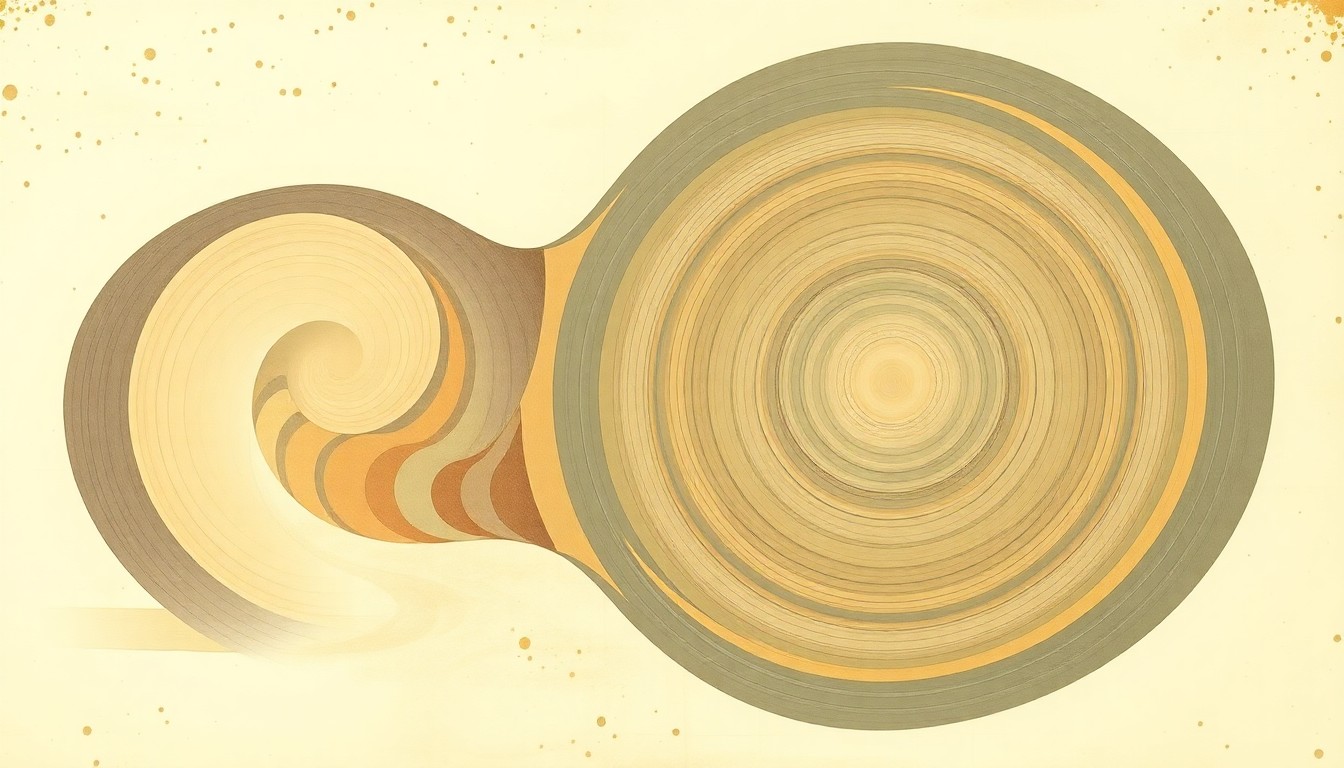 Unveiling the hidden complexities of the Mendocino triple junction, a crucial earthquake hotspot off the California coast.Mendocino Today
Researchers have discovered hidden faults beneath the Mendocino triple junction off the coast of northern California, a region where three major tectonic plates meet. The findings suggest earthquake prediction models may need updating, as the true configuration of these plates is more complex than previously understood. The study analyzed data from seismometers across the Pacific Northwest, uncovering subtle ground vibrations from small earthquakes that hold crucial information about the region's geology.
Why it matters
The Mendocino triple junction is located near major fault lines like the San Andreas and Cascadia subduction zone, which have the potential to unleash devastating earthquakes. Accurately mapping the complex plate boundaries in this region is essential for improving earthquake prediction and preparedness efforts.
The details
The researchers found the Mendocino triple junction is not a simple three-plate affair, but rather a puzzle with five moving pieces. This includes the previously unknown existence of the Pioneer fragment, an older rock section being dragged underneath the North American plate. The subducting surface of the Gorda plate was also found to be shallower than contemporary models had predicted, challenging assumptions about the location of the plate boundary.
- The study's findings were published in April 2026.
The players
David Shelly
A seismologist from the Geologic Hazards Center who compared the hidden faults to uncovering the hidden depths of an iceberg.
Kathryn Materna
A tectonic geodesist from the University of Colorado Boulder who explained how the plate boundary is not where it was previously thought to be.
Amanda Thomas
A geophysicist from the University of California, Davis who stated that without understanding the underlying processes, predicting seismic hazards becomes a challenge.
What they’re saying
“It's like a piece of a puzzle that doesn't quite fit, but it's an essential part of the bigger picture.”
— David Shelly, Seismologist, Geologic Hazards Center
“If we don't understand the underlying processes, predicting seismic hazards becomes a challenge.”
— Amanda Thomas, Geophysicist, University of California, Davis
“It had been assumed that faults follow a certain pattern, but this example challenges that assumption. The plate boundary is not where we thought it was.”
— Kathryn Materna, Tectonic Geodesist, University of Colorado Boulder
What’s next
Researchers plan to continue studying the complex geology of the Mendocino triple junction, using the new findings to refine earthquake prediction models and better understand the potential risks to nearby fault lines like the San Andreas and Cascadia subduction zone.
The takeaway
This discovery of hidden faults beneath a major earthquake hotspot highlights the importance of continuously updating our understanding of tectonic plate movements and fault line configurations. Accurate earthquake prediction relies on a comprehensive picture of the underlying geology, which this research helps provide.