- Today
- Holidays
- Birthdays
- Reminders
- Cities
- Atlanta
- Austin
- Baltimore
- Berwyn
- Beverly Hills
- Birmingham
- Boston
- Brooklyn
- Buffalo
- Charlotte
- Chicago
- Cincinnati
- Cleveland
- Columbus
- Dallas
- Denver
- Detroit
- Fort Worth
- Houston
- Indianapolis
- Knoxville
- Las Vegas
- Los Angeles
- Louisville
- Madison
- Memphis
- Miami
- Milwaukee
- Minneapolis
- Nashville
- New Orleans
- New York
- Omaha
- Orlando
- Philadelphia
- Phoenix
- Pittsburgh
- Portland
- Raleigh
- Richmond
- Rutherford
- Sacramento
- Salt Lake City
- San Antonio
- San Diego
- San Francisco
- San Jose
- Seattle
- Tampa
- Tucson
- Washington
UCLA Researchers Uncover Key Driver of Fatty Liver Disease and Aging
Study links senescent macrophages to liver inflammation and damage, with cell clearance reversing harm in mice
Apr. 20, 2026 at 11:51am
Got story updates? Submit your updates here. ›
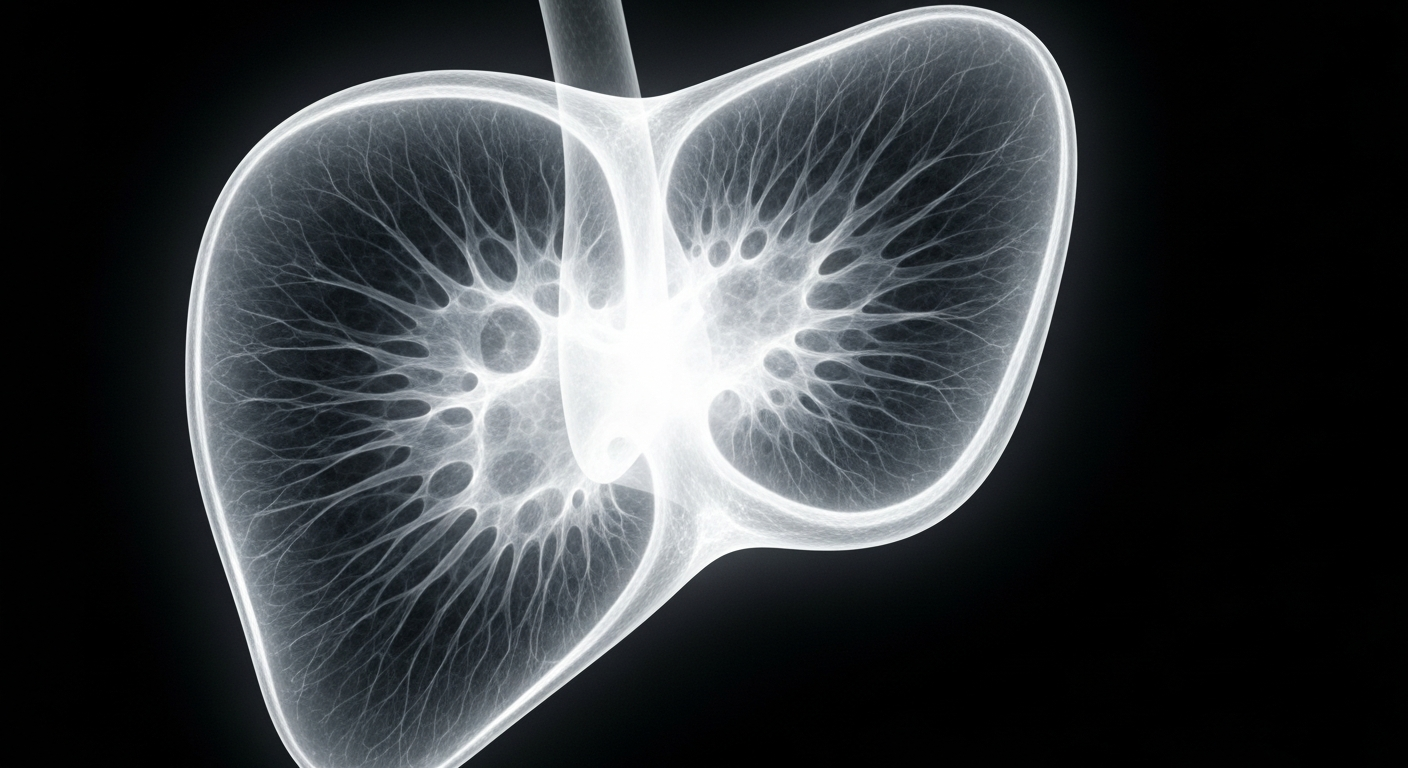 An X-ray-like image reveals the internal structures of a senescent liver macrophage, a key driver of fatty liver disease and age-related inflammation.Los Angeles Today
UCLA researchers have identified a specific population of damaged immune cells, called senescent macrophages, that can drive fatty liver disease and chronic inflammation associated with aging. The team found that even a small number of these dysfunctional cells can cause significant disruption to liver tissue. Exposing healthy macrophages to high levels of LDL cholesterol caused them to take on the senescent, inflammatory characteristics. Clearing these senescent cells in mice with fatty liver disease led to a reversal of liver damage and weight loss, suggesting these cells are a key driver of the disease process.
Why it matters
This research provides important insights into the underlying mechanisms behind fatty liver disease and age-related inflammation. By identifying senescent macrophages as a central culprit, it opens up new potential treatment strategies that target these harmful immune cells rather than just addressing diet, weight, or general inflammation. The findings also suggest these senescent macrophages may play a role in driving other age-related diseases beyond just the liver.
The details
The UCLA team found that in young mice, only about 5% of liver macrophages displayed the senescent cell signature involving the proteins p21 and TREM2. But in older mice, that proportion climbed to 60-80%, closely tracking the rise in chronic liver inflammation that comes with age. Exposing healthy macrophages to high levels of LDL cholesterol in the lab also caused them to take on the senescent, inflammatory characteristics. To test if these senescent cells were actively driving the liver damage, the researchers used a drug called ABT-263 that can selectively kill senescent cells. In mice with diet-induced fatty liver disease, clearing the senescent macrophages led to a reversal of liver enlargement, fat buildup, and inflammation, even though the mice remained on the high-fat, high-cholesterol diet.
- The UCLA study was published online in the journal Nature Aging on April 20, 2026.
The players
Anthony Covarrubias
Senior author of the study and a member of the Eli and Edythe Broad Center of Regenerative Medicine and Stem Cell Research at UCLA.
Ivan Salladay-Perez
First author of the study and a graduate student in the Covarrubias lab.
What they’re saying
“Senescent cells are fairly rare, but think of them like a broken-down car on the 405. Just one stalled car can back up traffic for miles. Now imagine five or ten of them slowly accumulating. That's what these cells do to a tissue: even a small number causes enormous disruption.”
— Anthony Covarrubias, Senior author
“Physiologically, macrophages can handle cholesterol metabolism. But in a chronic state, it's pathological. And when you look at fatty liver disease, which is driven by overnutrition and too much cholesterol in the blood, that excess cholesterol appears to be a major driver of the senescent macrophage population.”
— Ivan Salladay-Perez, First author
“Eliminating senescent cells doesn't just slow the fatty liver, it actually reverses it.”
— Ivan Salladay-Perez, First author
What’s next
The researchers are already exploring the potential role of senescent macrophages in other age-related diseases like cancer and neurodegeneration. The immediate next step is to find safer compounds than the toxic ABT-263 drug that can selectively remove these harmful senescent cells without side effects.
The takeaway
This study identifies senescent macrophages as a key driver of fatty liver disease and age-related inflammation, opening up new potential treatment strategies that target these dysfunctional immune cells rather than just addressing diet, weight, or general inflammation. The findings also suggest these senescent macrophages may play a role in other age-related diseases beyond just the liver.
Los Angeles top stories



Los Angeles events


Apr. 20, 2026
Biffy Clyro: The Futique Tour
Apr. 21, 2026
MJ (Touring)