- Today
- Holidays
- Birthdays
- Reminders
- Cities
- Atlanta
- Austin
- Baltimore
- Berwyn
- Beverly Hills
- Birmingham
- Boston
- Brooklyn
- Buffalo
- Charlotte
- Chicago
- Cincinnati
- Cleveland
- Columbus
- Dallas
- Denver
- Detroit
- Fort Worth
- Houston
- Indianapolis
- Knoxville
- Las Vegas
- Los Angeles
- Louisville
- Madison
- Memphis
- Miami
- Milwaukee
- Minneapolis
- Nashville
- New Orleans
- New York
- Omaha
- Orlando
- Philadelphia
- Phoenix
- Pittsburgh
- Portland
- Raleigh
- Richmond
- Rutherford
- Sacramento
- Salt Lake City
- San Antonio
- San Diego
- San Francisco
- San Jose
- Seattle
- Tampa
- Tucson
- Washington
The Rolling Stones' 'Sister Morphine' and the End of Marianne Faithfull's Relationship with Mick Jagger
Faithfull's dark lyrics were censored, leading to the deterioration of her partnership with the Stones frontman.
Apr. 18, 2026 at 1:25pm
Got story updates? Submit your updates here. ›
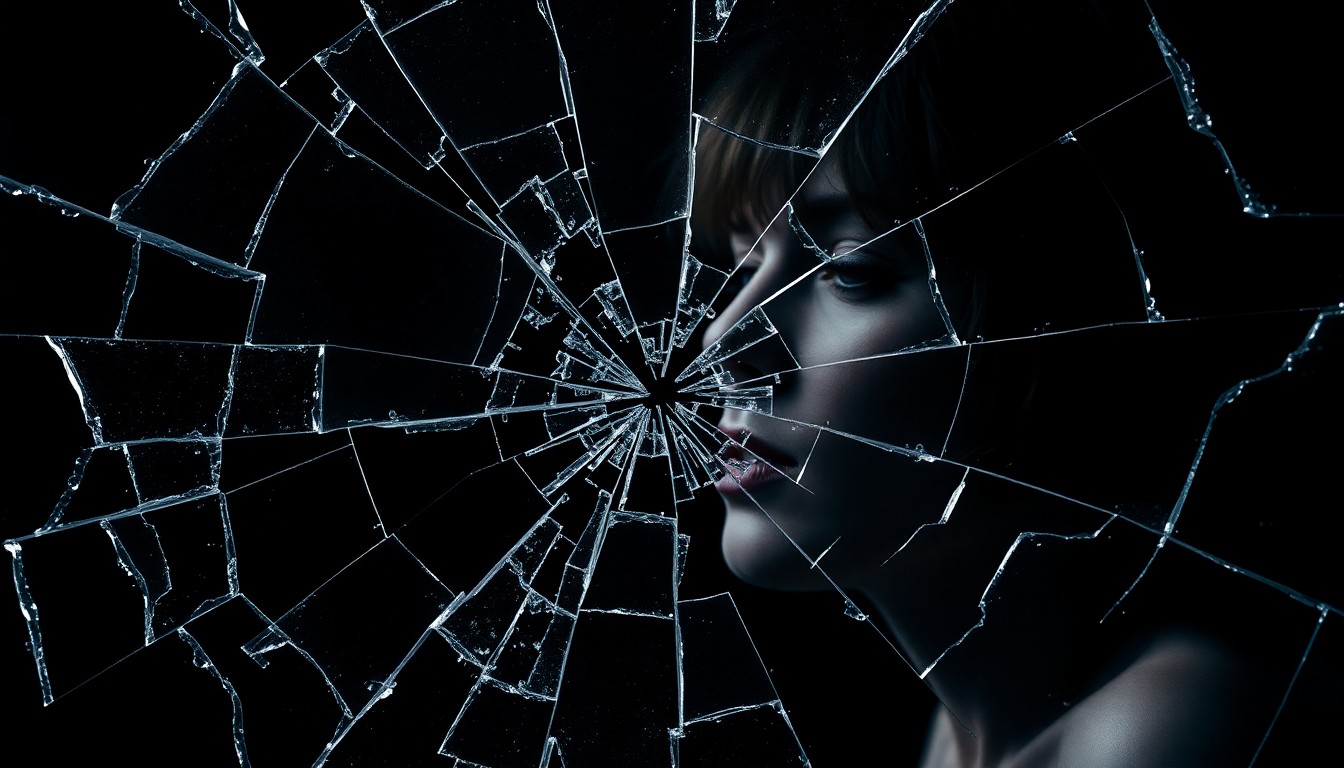 The censorship of Marianne Faithfull's 'Sister Morphine' marked the beginning of the end for her tumultuous relationship with Mick Jagger.Los Angeles Today
Marianne Faithfull, one of the most famous rock muses of all time, contributed the lyrics to the Rolling Stones' 1971 track 'Sister Morphine.' However, when Faithfull released her own version of the song in 1969, Decca Records quickly pulled it from shelves, devastating the singer-songwriter. Faithfull blamed Mick Jagger for not fighting hard enough to save her creation, and she felt that her 'inner vision' had been silenced. This incident marked the beginning of the end of Faithfull's tumultuous relationship with Jagger.
Why it matters
Faithfull's experience with 'Sister Morphine' highlights the challenges female artists faced in the male-dominated music industry of the 1960s. Her song was censored, and she felt her creative vision was not respected, leading to the breakdown of her partnership with one of the most influential rock stars of the era.
The details
Faithfull wrote the lyrics to 'Sister Morphine' as a dark exploration of addiction, drawing from her own experiences. She convinced Jagger to let her record the song, which she released in February 1969. However, just two days later, Decca Records pulled the single from shelves without explanation. Faithfull felt Jagger did not fight hard enough to save her song, and she began to lose faith in their relationship. When the Stones later released 'Sister Morphine' on their 1971 album Sticky Fingers, there was little acknowledgment of Faithfull's contribution.
- Faithfull released her version of 'Sister Morphine' in February 1969.
- Decca Records pulled Faithfull's single from shelves just two days later.
The players
Marianne Faithfull
A famous rock muse and recording artist in her own right, who wrote the lyrics to the Rolling Stones' 'Sister Morphine.'
Mick Jagger
The lead singer of the Rolling Stones, who collaborated with Faithfull on 'Sister Morphine' but did not do enough to defend her version of the song when it was censored.
Decca Records
The record label that pulled Faithfull's single of 'Sister Morphine' from shelves just two days after its release, without explanation.
What they’re saying
“'Sister Morphine' was my Frankenstein, my self-portrait in a dark mirror. But unlike Mary [Shelley's], my creation wasn't going to be allowed to see the light of day.”
— Marianne Faithfull, Singer-songwriter
“At the moment when 'Sister Morphine' was taken off the shelves, our relationship began to shatter, too.”
— Marianne Faithfull, Singer-songwriter
What’s next
The legacy of 'Sister Morphine' and Faithfull's creative contributions to the Rolling Stones' discography continue to be explored by music historians and biographers.
The takeaway
Faithfull's experience with 'Sister Morphine' highlights the challenges female artists faced in the male-dominated music industry of the 1960s, where their creative visions were often silenced or overshadowed. This incident marked a turning point in Faithfull's relationship with Jagger and the Stones, reflecting broader issues of gender inequality and artistic control in the rock world.
Los Angeles top stories
Los Angeles events

Apr. 18, 2026
Los Angeles Philharmonic w/ Ryan Bancroft
Apr. 18, 2026
TINA - The Tina Turner Musical (touring)