- Today
- Holidays
- Birthdays
- Reminders
- Cities
- Atlanta
- Austin
- Baltimore
- Berwyn
- Beverly Hills
- Birmingham
- Boston
- Brooklyn
- Buffalo
- Charlotte
- Chicago
- Cincinnati
- Cleveland
- Columbus
- Dallas
- Denver
- Detroit
- Fort Worth
- Houston
- Indianapolis
- Knoxville
- Las Vegas
- Los Angeles
- Louisville
- Madison
- Memphis
- Miami
- Milwaukee
- Minneapolis
- Nashville
- New Orleans
- New York
- Omaha
- Orlando
- Philadelphia
- Phoenix
- Pittsburgh
- Portland
- Raleigh
- Richmond
- Rutherford
- Sacramento
- Salt Lake City
- San Antonio
- San Diego
- San Francisco
- San Jose
- Seattle
- Tampa
- Tucson
- Washington
250-Million-Year-Old Fossil Reveals Mammal Ancestors Laid Eggs
Lystrosaurus fossil provides first direct evidence of egg-laying in early mammal lineage
Apr. 18, 2026 at 8:07pm
Got story updates? Submit your updates here. ›
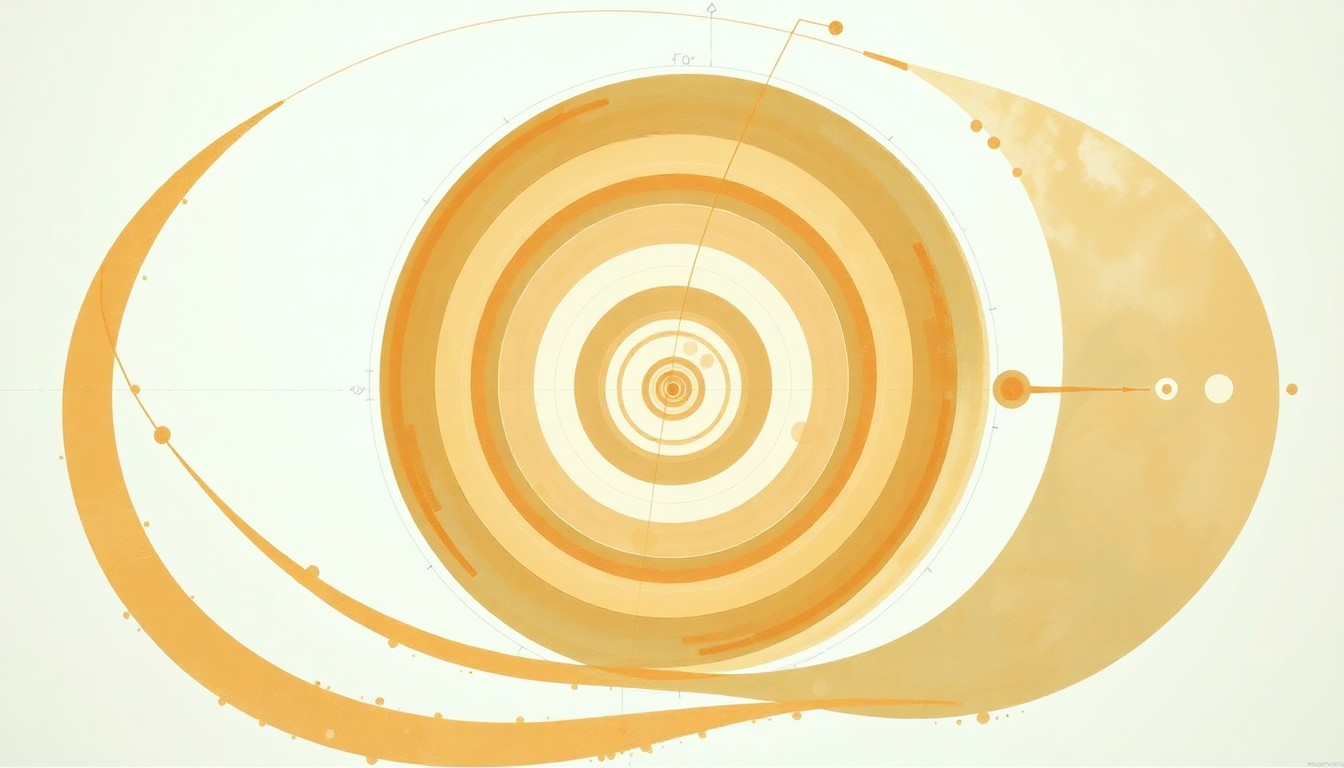 A conceptual visualization of the evolutionary adaptations that enabled the mammal ancestor Lystrosaurus to thrive in the harsh post-extinction environment through the use of large, yolk-rich eggs.Los Angeles Today
Fossil evidence shows that Lystrosaurus, a mammal ancestor that survived the end-Permian mass extinction, laid eggs and used this reproductive strategy to thrive in the harsh post-extinction environment. The discovery of a 250-million-year-old Lystrosaurus fossil containing an embryo inside an egg is the first conclusive proof that early mammal relatives reproduced by laying eggs.
Why it matters
This finding resolves a long-standing debate about the origins of mammalian reproduction, providing direct evidence that the ancestors of mammals laid eggs before eventually evolving live birth and milk production. Understanding how Lystrosaurus and other early synapsids reproduced and adapted to extreme environmental conditions can offer insights into the evolutionary strategies that enabled some species to survive major extinction events.
The details
The fossil, discovered during a 2008 field expedition in South Africa, initially appeared to be a small Lystrosaurus hatchling. But advanced imaging techniques revealed that the skeleton was still curled up inside an egg, with an unfused lower jaw indicating the embryo had not yet hatched. This contrasted with other juvenile Lystrosaurus specimens that showed more advanced development. The researchers believe the large, yolk-rich eggs of Lystrosaurus likely helped the species thrive in the harsh, arid conditions after the end-Permian mass extinction by allowing the young to hatch more independent and ready to feed themselves.
- The fossil dates back approximately 250 million years.
- The specimen was discovered during a 2008 field expedition in South Africa.
The players
Professor Jennifer Botha
From the Evolutionary Studies Institute at the University of the Witwatersrand in South Africa, she led the 2008 field expedition where the Lystrosaurus fossil was discovered.
Professor Julien Benoit
Researcher who used advanced imaging techniques to study the fossil and confirm it contained an embryo inside an egg, providing the first direct evidence of egg-laying in early mammal ancestors.
Dr. Vincent Fernandez
Researcher who collaborated with Benoit on the study of the Lystrosaurus fossil using X-ray imaging and synchrotron scans.
John Nyaphuli
Botha's preparator and fossil finder who initially identified the small nodule containing the Lystrosaurus specimen during the 2008 expedition.
Lystrosaurus
A mammal-like reptile that was one of the few species to thrive after the end-Permian mass extinction, likely due to its ability to lay large, yolk-rich eggs that allowed its young to hatch more independent and ready to feed themselves.
What they’re saying
“This fossil was discovered during a field excursion I led in 2008, nearly 17 years ago. My preparator and exceptional fossil finder, John Nyaphuli, identified a small nodule that at first revealed only tiny flecks of bone. As he carefully prepared the specimen, it became clear that it was a perfectly curled-up Lystrosaurus hatchling. I suspected even then that it had died within the egg, but at the time, we simply didn't have the technology to confirm it.”
— Professor Jennifer Botha, Evolutionary Studies Institute, University of the Witwatersrand
“When I saw the incomplete mandibular symphysis, I was genuinely excited. The mandible, the lower jaw, is made up of two halves that must fuse before the animal can feed. The fact that this fusion had not yet occurred shows that the individual would have been incapable of feeding itself.”
— Professor Julien Benoit
“It is also thrilling because this discovery breaks entirely new ground. For over 150 years of South African paleontology, no fossil had ever been conclusively identified as a therapsid egg. This is the first time we can say, with confidence, that mammal ancestors like Lystrosaurus laid eggs, making it a true milestone in the field.”
— Professor Jennifer Botha, Evolutionary Studies Institute, University of the Witwatersrand
“This research is important because it provides the first direct evidence that mammal ancestors, such as Lystrosaurus, laid eggs, resolving a long-standing question about the origins of mammalian reproduction.”
— Professor Julien Benoit
What’s next
The researchers plan to continue studying the Lystrosaurus fossil and other specimens to gain further insights into the reproductive strategies of early mammal ancestors and how they adapted to survive major extinction events.
The takeaway
This discovery of a 250-million-year-old Lystrosaurus fossil containing an embryo inside an egg provides the first direct evidence that the ancestors of mammals reproduced by laying eggs, resolving a long-standing debate in evolutionary biology. Understanding how these early synapsids adapted their reproductive strategies to thrive in harsh post-extinction environments can offer valuable lessons about the evolutionary mechanisms that enable species resilience in the face of environmental upheaval.
Los Angeles top stories


Los Angeles events

Apr. 18, 2026
Los Angeles Philharmonic w/ Ryan Bancroft
Apr. 18, 2026
TINA - The Tina Turner Musical (touring)