- Today
- Holidays
- Birthdays
- Reminders
- Cities
- Atlanta
- Austin
- Baltimore
- Berwyn
- Beverly Hills
- Birmingham
- Boston
- Brooklyn
- Buffalo
- Charlotte
- Chicago
- Cincinnati
- Cleveland
- Columbus
- Dallas
- Denver
- Detroit
- Fort Worth
- Houston
- Indianapolis
- Knoxville
- Las Vegas
- Los Angeles
- Louisville
- Madison
- Memphis
- Miami
- Milwaukee
- Minneapolis
- Nashville
- New Orleans
- New York
- Omaha
- Orlando
- Philadelphia
- Phoenix
- Pittsburgh
- Portland
- Raleigh
- Richmond
- Rutherford
- Sacramento
- Salt Lake City
- San Antonio
- San Diego
- San Francisco
- San Jose
- Seattle
- Tampa
- Tucson
- Washington
Gas Prices Squeeze Sprawling Sunbelt Cities More Than Dense Urban Areas
Residents of spread-out metro regions like Nashville and Indianapolis face steeper monthly driving costs due to longer commutes.
Apr. 17, 2026 at 2:09pm
Got story updates? Submit your updates here. ›
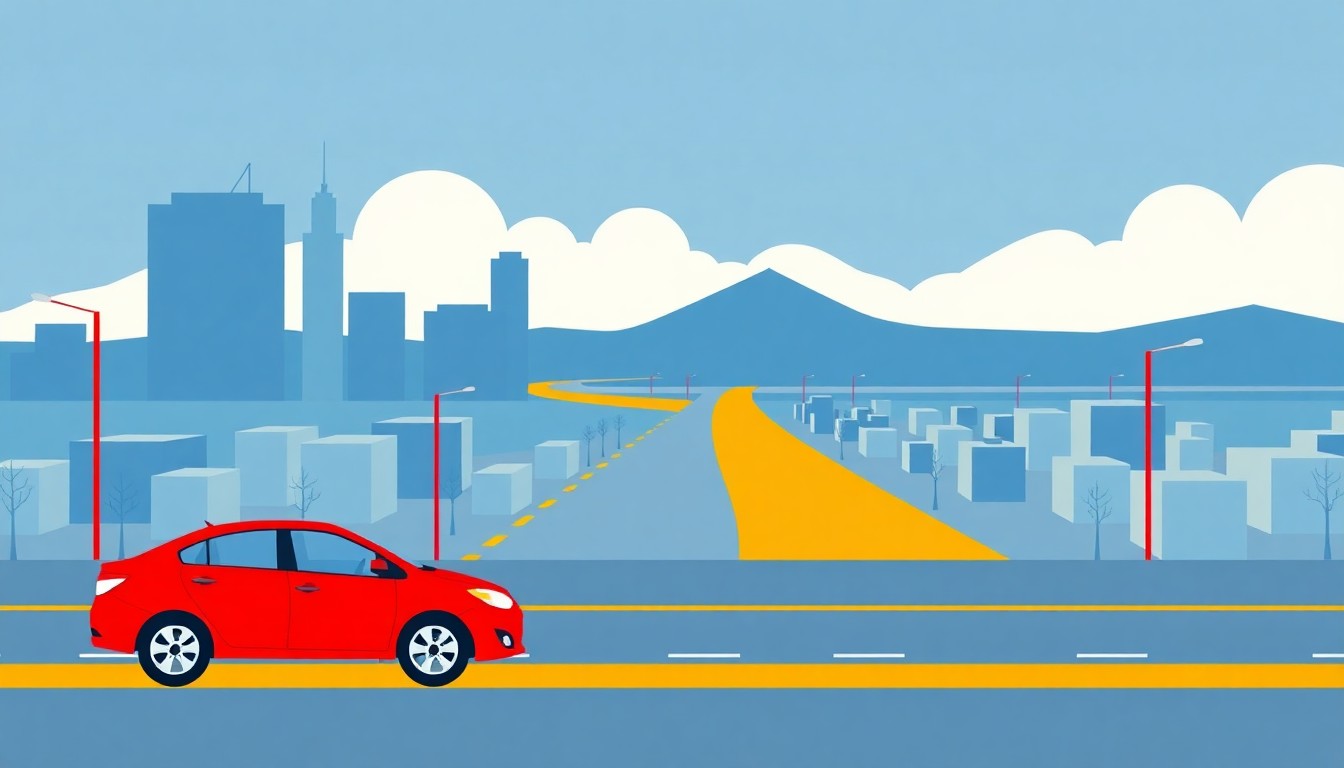 Geometric shapes and colors illustrate how car-centric urban design compounds the economic pain of soaring gas prices.Los Angeles Today
A new analysis shows that while gas prices have risen sharply across the US due to the Iran war, the economic impact is more severe in sprawling Sunbelt cities like Nashville and Indianapolis compared to denser urban areas like New York and San Francisco. Residents of spread-out metro regions tend to drive longer distances, leading to higher monthly fuel costs despite smaller price increases per gallon.
Why it matters
This data highlights how urban design and transportation infrastructure can exacerbate the economic burden of rising gas prices, with car-dependent communities bearing a disproportionate share of the pain. As policymakers consider ways to address the impacts of high fuel costs, this analysis underscores the need to invest in public transit, walkable neighborhoods, and other alternatives to single-occupancy vehicle travel.
The details
The analysis, based on gas price data from GasBuddy and driving mileage figures from the Federal Highway Administration, found that while Chicago and Los Angeles saw larger per-gallon price hikes, residents of cities like Nashville, Raleigh, Indianapolis, Orlando, and Louisville faced the steepest increases in monthly driving costs - up to $70 more per month. This is because these sprawling Sunbelt metros have lower population densities and fewer public transit options, forcing residents to drive longer distances for work, errands, and other daily needs.
- Gas prices have risen sharply across the US since the start of the Iran war in March 2026.
- The analysis looked at gas price and driving data through April 9, 2026.
The players
GasBuddy
A data aggregator that tracks real-time gas prices across the United States.
Federal Highway Administration
A division of the U.S. Department of Transportation that collects data on vehicle miles traveled and other transportation metrics.
Yonah Freemark
A researcher at the Urban Institute who studies the relationship between urban design and transportation choices.
What they’re saying
“Cities are designed around the transportation options they have, and the transportation choices people make result from city design. Together they either reinforce car dependence or allow people to get out of it.”
— Yonah Freemark, Researcher, Urban Institute
What’s next
Policymakers in sprawling Sunbelt cities will likely need to consider long-term investments in public transit, walkable development, and other alternatives to car-centric infrastructure in order to help residents weather future spikes in gas prices.
The takeaway
This analysis underscores how urban design and transportation options can exacerbate the economic burden of rising gas prices, with car-dependent communities facing disproportionately higher monthly driving costs compared to denser, more transit-oriented cities.
Los Angeles top stories


Los Angeles events

Apr. 17, 2026
City Sounds: USC Thornton School of Music Jazz Studies
Apr. 17, 2026
Los Angeles Philharmonic w/ Ryan Bancroft
Apr. 17, 2026
TINA - The Tina Turner Musical (touring)