- Today
- Holidays
- Birthdays
- Reminders
- Cities
- Atlanta
- Austin
- Baltimore
- Berwyn
- Beverly Hills
- Birmingham
- Boston
- Brooklyn
- Buffalo
- Charlotte
- Chicago
- Cincinnati
- Cleveland
- Columbus
- Dallas
- Denver
- Detroit
- Fort Worth
- Houston
- Indianapolis
- Knoxville
- Las Vegas
- Los Angeles
- Louisville
- Madison
- Memphis
- Miami
- Milwaukee
- Minneapolis
- Nashville
- New Orleans
- New York
- Omaha
- Orlando
- Philadelphia
- Phoenix
- Pittsburgh
- Portland
- Raleigh
- Richmond
- Rutherford
- Sacramento
- Salt Lake City
- San Antonio
- San Diego
- San Francisco
- San Jose
- Seattle
- Tampa
- Tucson
- Washington
City of Hope Scientists to Share New Findings on Cancer Risk, Immune Resistance and AI-Driven Discovery at AACR 2026
Minisymposia data will explore why cancers develop earlier, how tumors evade treatment and how AI is reshaping cancer research and immunotherapy.
Apr. 17, 2026 at 6:48am
Got story updates? Submit your updates here. ›
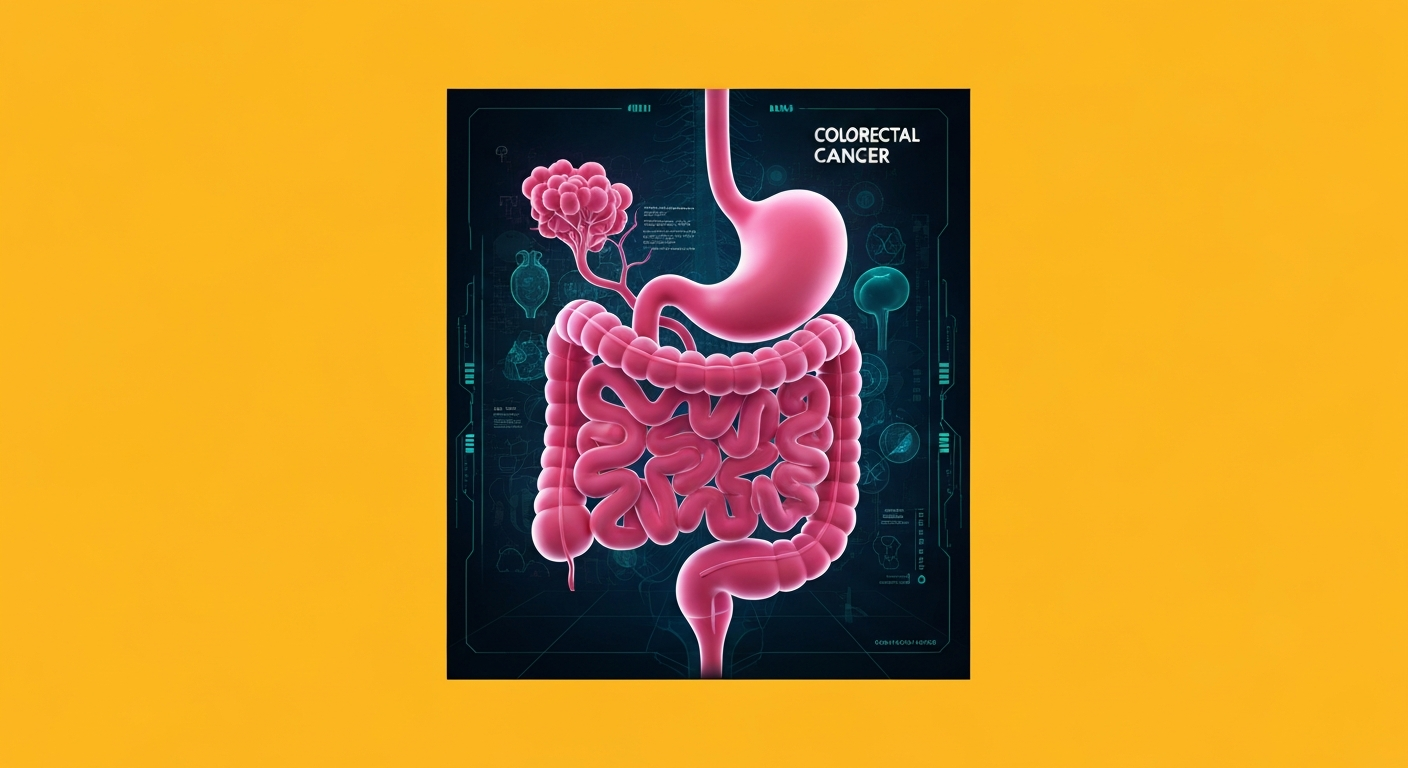 New AI-driven research sheds light on how the gut microbiome may contribute to the rise in early-onset colorectal cancer.Los Angeles Today
Researchers from City of Hope, one of the largest and most advanced cancer research and treatment organizations in the United States, will present new data at the AACR Annual Meeting 2026, sharing insights into cancer risk, treatment resistance and emerging therapeutic strategies across solid and blood cancers. The research will explore topics such as first-line CAR T cell therapy, the role of the microbiome in CAR T cell response, AI-driven discoveries about early-onset colorectal cancer, a new pathway for colorectal cancer immune resistance, and a metabolic vulnerability in acute myeloid leukemia.
Why it matters
City of Hope's research underscores its efforts to translate leading-edge science into more precise and effective approaches for cancer patients. The findings highlight the growing importance of examining cancer through multiple lenses - biological, clinical and social - to inform tailored prevention, risk assessment and early detection strategies.
The details
City of Hope investigators will present new data in 103 sessions at the AACR Annual Meeting 2026, including a major symposium, six minisymposia and three late-breaking poster abstracts. The research will cover topics such as first-line CAR T cell therapy for acute lymphoblastic leukemia, how the microbiome impacts CAR T cell response, AI-driven discoveries about early-onset colorectal cancer, a new pathway for colorectal cancer immune resistance, and a metabolic vulnerability in acute myeloid leukemia that can be targeted therapeutically.
- The AACR Annual Meeting 2026 will take place from April 17–22.
The players
Stephen J. Forman
M.D., City of Hope physician who will discuss first-line chimeric antigen receptor (CAR) T cell therapy for adults with acute lymphoblastic leukemia.
Robert R. Jenq
M.D., City of Hope physician who will discuss the evidence on how studying the microbiome in CAR T cell patients can help explain why some patients do really well and others don't do as well.
Sophia Manjarrez
B.S., doctoral student at City of Hope's Irell & Manella Graduate School of Biological Sciences, the presenting author of the study on AI-guided analysis of the gut microbiome and early-onset colorectal cancer.
Enrique Velazquez-Villarreal
M.D., Ph.D., study senior author and assistant professor in City of Hope's Department of Integrative Translational Sciences.
Junyong Weng
Ph.D., the presenting author of the study on a new molecular pathway for colorectal cancer immune resistance.
What they’re saying
“By bringing together microbiome data with genomic and clinical information, we were able to identify patterns that would have been difficult to detect using traditional approaches. This work demonstrates how AI can help us better understand complex factors that may contribute to earlier cancer development.”
— Sophia Manjarrez, Doctoral student
“These findings help explain why many colorectal tumors remain resistant to immunotherapy. By targeting this newly identified pathway, we may be able to improve immune recognition of tumors and expand the benefit of immunotherapy to more patients.”
— Junyong Weng, Ph.D., visiting scholar
What’s next
The judge in the case will decide on Tuesday whether or not to allow Walker Reed Quinn out on bail.
The takeaway
This case highlights growing concerns in the community about repeat offenders released on bail, raising questions about bail reform, public safety on SF streets, and if any special laws to govern autonomous vehicles in residential and commercial areas.
Los Angeles top stories


Los Angeles events

Apr. 17, 2026
City Sounds: USC Thornton School of Music Jazz Studies
Apr. 17, 2026
Los Angeles Philharmonic w/ Ryan Bancroft
Apr. 17, 2026
TINA - The Tina Turner Musical (touring)