- Today
- Holidays
- Birthdays
- Reminders
- Cities
- Atlanta
- Austin
- Baltimore
- Berwyn
- Beverly Hills
- Birmingham
- Boston
- Brooklyn
- Buffalo
- Charlotte
- Chicago
- Cincinnati
- Cleveland
- Columbus
- Dallas
- Denver
- Detroit
- Fort Worth
- Houston
- Indianapolis
- Knoxville
- Las Vegas
- Los Angeles
- Louisville
- Madison
- Memphis
- Miami
- Milwaukee
- Minneapolis
- Nashville
- New Orleans
- New York
- Omaha
- Orlando
- Philadelphia
- Phoenix
- Pittsburgh
- Portland
- Raleigh
- Richmond
- Rutherford
- Sacramento
- Salt Lake City
- San Antonio
- San Diego
- San Francisco
- San Jose
- Seattle
- Tampa
- Tucson
- Washington
Former UCLA Gynecologist Sentenced After Pleading Guilty to Sexual Assaults
James Heaps received 11 years in prison for crimes against patients at the university.
Apr. 15, 2026 at 1:50am
Got story updates? Submit your updates here. ›
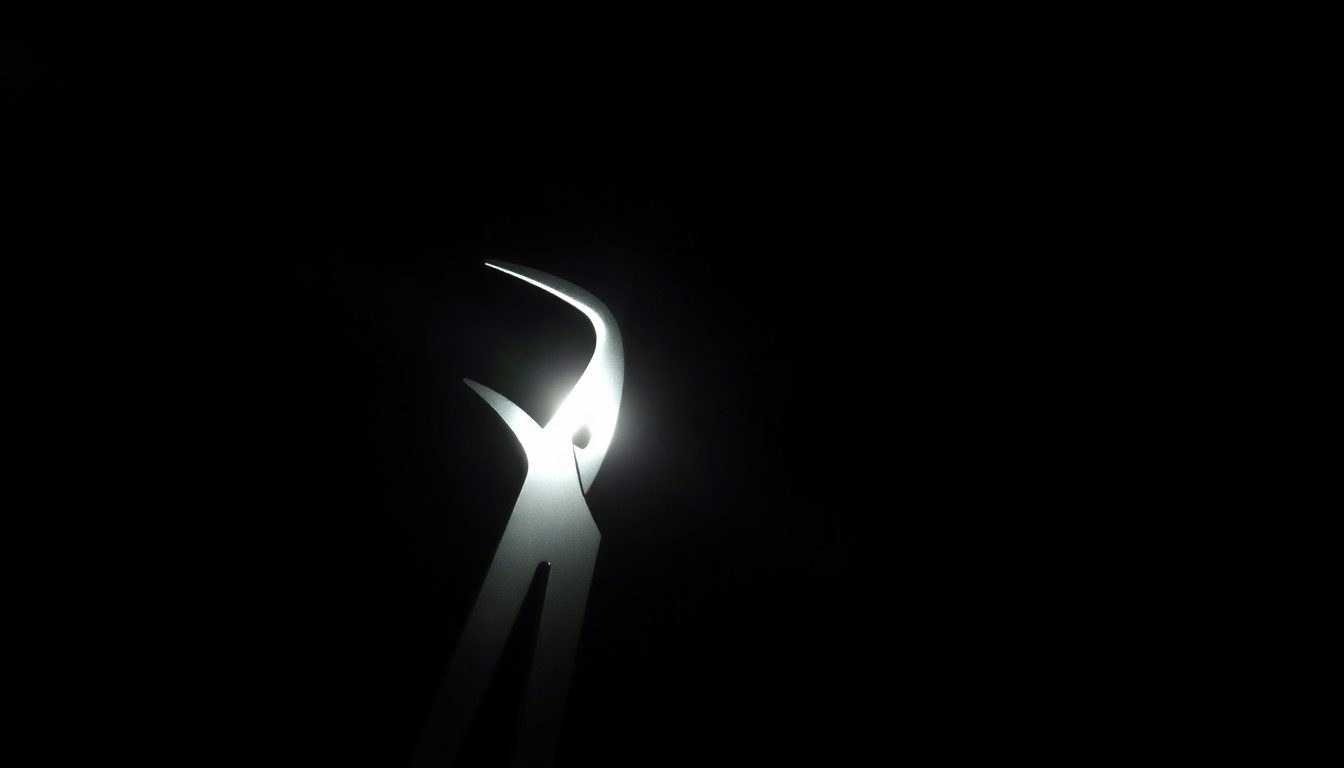
 The harsh flash photography of a medical instrument used to violate patient trust highlights the grim realities of this abuse of power case.Los Angeles Today
James Heaps, a former obstetrician-gynecologist at the University of California, Los Angeles (UCLA), was sentenced to 11 years in prison after pleading guilty to 13 felony counts of sexually assaulting his patients during medical procedures over his 35-year career at the university. UCLA has paid nearly $700 million to settle civil claims made against Heaps.
Why it matters
This case highlights the devastating impact that a trusted medical professional can have when they abuse their position of power and violate the trust of vulnerable patients. It also raises questions about UCLA's handling of the allegations and whether more could have been done to protect students and staff.
The details
Heaps pleaded guilty to six felony counts of sexual penetration of an unconscious person, five felony counts of sexual battery by fraud, and two felony counts of sexual exploitation of a patient. He will also be required to register as a sex offender for life. Heaps's plea comes after an appeals court in California determined he was denied a fair trial in 2023 due to concerns that one juror did not speak enough English to adequately carry out their responsibilities.
- In 2023, Heaps's former patients claimed he groped them, made suggestive comments, or conducted unnecessarily invasive exams at the college's student health center, the Ronald Reagan UCLA Medical Center, or in his campus office.
- On April 15, 2026, Heaps was sentenced to 11 years in prison for his crimes.
The players
James Heaps
A 69-year-old former obstetrician-gynecologist at the University of California, Los Angeles (UCLA) who pleaded guilty to 13 felony counts of sexually assaulting his patients during medical procedures over his 35-year career at the university.
Leonard Levine
Heaps's attorney, who previously stated that "justice is slow, but it's finally been done" and that he believes "it's just a matter of time before he is totally exonerated."
Nathan J. Hochman
The Los Angeles District Attorney, who said the sentence "ensures that Heaps will finally be held accountable for the harm he inflicted under the guise of care" and that "to the survivors: I hope today brings you closure knowing that the individual who violated your trust has been definitively brought to justice."
University of California, Los Angeles (UCLA)
The university where Heaps worked as an obstetrician-gynecologist for 35 years and where he sexually assaulted his patients, leading to nearly $700 million in civil settlements.
What they’re saying
“Today marks the second time that we're holding James Heaps responsible for the unconscionable crimes he committed while being entrusted with the safety of his patients.”
— Nathan J. Hochman, Los Angeles District Attorney
“To the survivors: I hope today brings you closure knowing that the individual who violated your trust has been definitively brought to justice. To all survivors, please know that we believe you and we will fight for you.”
— Nathan J. Hochman, Los Angeles District Attorney
“Justice is slow, but it's finally been done. I believe it's just a matter of time before he is totally exonerated.”
— Leonard Levine, Heaps's attorney
What’s next
Heaps will be required to register as a sex offender for life following his 11-year prison sentence.
The takeaway
This case highlights the critical need for stronger oversight and accountability measures in the medical profession to prevent predatory behavior and protect vulnerable patients. It also underscores the long-lasting trauma and harm that can result when trusted healthcare providers abuse their power.
Los Angeles top stories


Los Angeles events

Apr. 15, 2026
Breaking Sound @ the Peppermint Club

Apr. 15, 2026
TINA - The Tina Turner Musical (touring)