- Today
- Holidays
- Birthdays
- Reminders
- Cities
- Atlanta
- Austin
- Baltimore
- Berwyn
- Beverly Hills
- Birmingham
- Boston
- Brooklyn
- Buffalo
- Charlotte
- Chicago
- Cincinnati
- Cleveland
- Columbus
- Dallas
- Denver
- Detroit
- Fort Worth
- Houston
- Indianapolis
- Knoxville
- Las Vegas
- Los Angeles
- Louisville
- Madison
- Memphis
- Miami
- Milwaukee
- Minneapolis
- Nashville
- New Orleans
- New York
- Omaha
- Orlando
- Philadelphia
- Phoenix
- Pittsburgh
- Portland
- Raleigh
- Richmond
- Rutherford
- Sacramento
- Salt Lake City
- San Antonio
- San Diego
- San Francisco
- San Jose
- Seattle
- Tampa
- Tucson
- Washington
Kanye West's Divisive Comeback Sparks Debate on Free Speech and Responsibility
The artist's return to the spotlight after a four-year hiatus has been met with both success and backlash on both sides of the Atlantic.
Apr. 11, 2026 at 9:15pm
Got story updates? Submit your updates here. ›
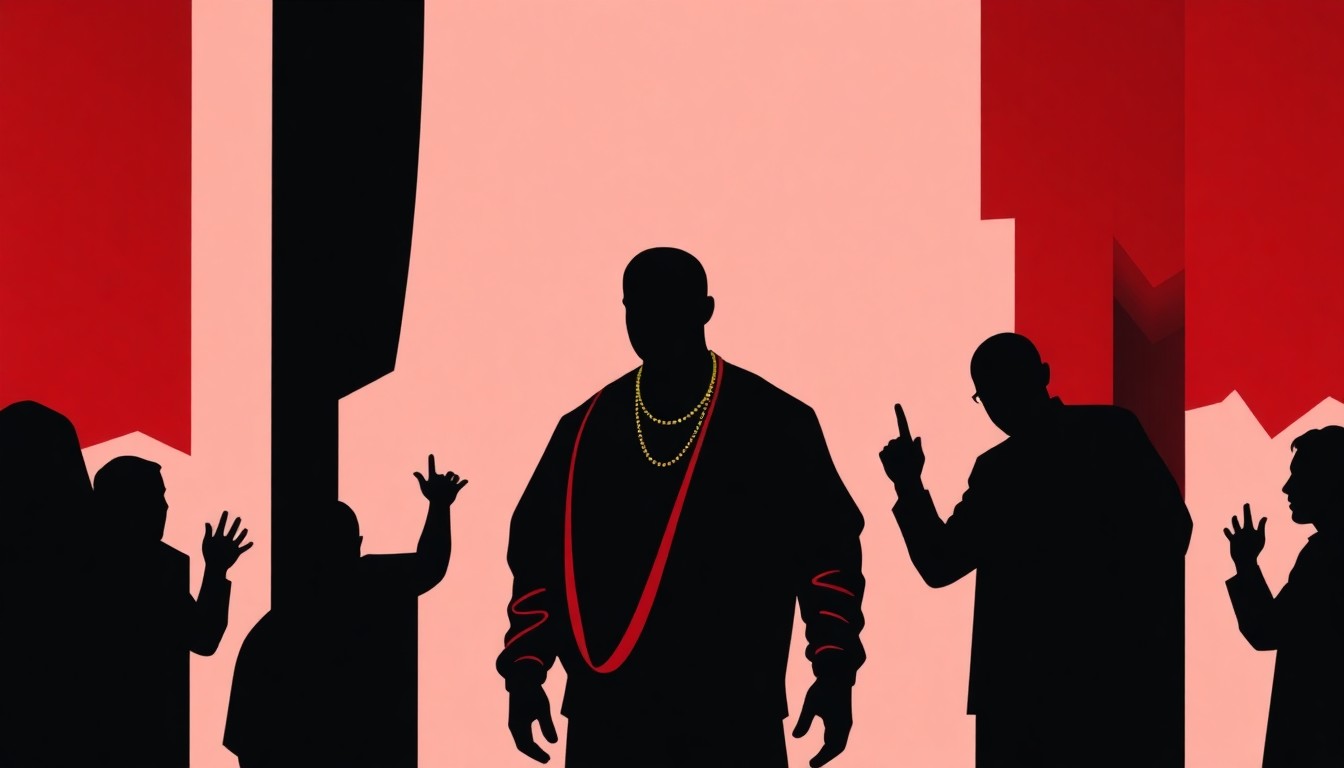 Kanye West's polarizing return to the spotlight sparks a national debate over free speech, hate, and the responsibility of public figures.Los Angeles Today
Kanye West's recent musical comeback with the release of his album 'Bully' has been a tale of two reactions - celebrated in the US but facing intense backlash in the UK over his history of controversial and antisemitic statements. While his US shows were commercial successes, his planned performances at the UK's Wireless Festival were met with public outcry, leading to the withdrawal of major sponsors. The divergent responses highlight the cultural and legal differences between the two countries when it comes to free speech protections and public responsibility for public figures.
Why it matters
Kanye West's comeback has sparked important conversations about the boundaries of artistic expression, the responsibility of public figures, and the complexities of reconciling free speech with societal values. The debate over his UK performances raises questions about how to balance creative freedom with the need to address hate speech and antisemitism.
The details
West's recent album 'Bully' debuted strongly on the Billboard 200 chart and his shows in Los Angeles were commercial successes, grossing $33 million. However, his planned headlining performances at the UK's Wireless Festival faced intense backlash, with the public, political figures, and Jewish organizations condemning his history of antisemitic remarks, including praise for Hitler and the sale of swastika-featuring merchandise. This led to major sponsors like Pepsi, Diageo, and PayPal withdrawing their support for the festival. The UK Conservative Party has also called for the Home Secretary to deny West a visa to enter the country.
- Kanye West released his album 'Bully' in early 2026.
- West's planned performances at the UK's Wireless Festival were scheduled for the summer of 2026.
- In the lead-up to the festival, the backlash against West's participation intensified throughout the spring of 2026.
The players
Kanye West
An American rapper, songwriter, and record producer who has faced significant controversy in recent years over his antisemitic and other inflammatory statements.
Wireless Festival
A major music festival held annually in the United Kingdom that initially booked Kanye West as a headliner for 2026 before facing public backlash.
Keir Starmer
The current Prime Minister of the United Kingdom, who condemned Kanye West's history of hate speech and antisemitism.
Board of Deputies of British Jews
A representative organization of the Jewish community in the United Kingdom that called for Kanye West to be banned from performing in the country.
Campaign Against Antisemitism
A UK-based nonprofit organization that also advocated for Kanye West to be barred from performing in the country due to his antisemitic remarks.
What they’re saying
“We must not let individuals continue to spread hate and division in our country.”
— Keir Starmer, Prime Minister of the United Kingdom
“Kanye West's hateful views have no place in our society, and we will not allow him to use our festival as a platform to promote them.”
— Board of Deputies of British Jews
What’s next
The UK government is expected to make a decision on whether to grant Kanye West a visa to enter the country in the coming weeks, ahead of the planned Wireless Festival performances.
The takeaway
Kanye West's comeback has highlighted the complex balance between artistic expression, public responsibility, and societal values. While his music has found success in the US, his history of controversial and antisemitic statements have led to intense backlash in the UK, raising questions about how to address hate speech from public figures without infringing on free speech protections.
Los Angeles top stories



Los Angeles events

Apr. 13, 2026
Svn Wrestling Presents Death Crue La
Apr. 13, 2026
Celebrating George Martin: The Scores