- Today
- Holidays
- Birthdays
- Reminders
- Cities
- Atlanta
- Austin
- Baltimore
- Berwyn
- Beverly Hills
- Birmingham
- Boston
- Brooklyn
- Buffalo
- Charlotte
- Chicago
- Cincinnati
- Cleveland
- Columbus
- Dallas
- Denver
- Detroit
- Fort Worth
- Houston
- Indianapolis
- Knoxville
- Las Vegas
- Los Angeles
- Louisville
- Madison
- Memphis
- Miami
- Milwaukee
- Minneapolis
- Nashville
- New Orleans
- New York
- Omaha
- Orlando
- Philadelphia
- Phoenix
- Pittsburgh
- Portland
- Raleigh
- Richmond
- Rutherford
- Sacramento
- Salt Lake City
- San Antonio
- San Diego
- San Francisco
- San Jose
- Seattle
- Tampa
- Tucson
- Washington
Sierra Nevada Snowpack at 68% of Normal After Whiplash Winter
Dry spells and big blizzards could mean increased summer fire risk, but water supplies are currently OK, experts say.
Published on Mar. 3, 2026
Got story updates? Submit your updates here. ›
California's Sierra Nevada snowpack, which provides nearly one-third of the state's water supply, is currently at 68% of its historical average, with at least two more weeks of dry weather forecast. This 'weather-whiplash' scenario, with warm, dry periods followed by intense snowstorms, has led to a chaotic winter. However, reservoirs across the state are in good shape after three consecutive wet years, so water restrictions are unlikely this summer. Experts warn that the low snowpack could contribute to an earlier and longer wildfire season.
Why it matters
The Sierra Nevada snowpack is a critical source of water for California, and its levels can have significant impacts on the state's water supply, wildfire risk, and overall climate. This year's 'roller coaster' winter, with dramatic swings between dry and wet conditions, highlights the challenges posed by climate change and the increasing unpredictability of weather patterns.
The details
After a dry start to the winter, a series of blizzards in December and February brought the Sierra Nevada snowpack up to historical averages. However, five weeks of warm, dry weather followed, causing the snowpack to drop to 68% of normal as of February 28th. With at least two more weeks of dry weather forecast, experts say it's unlikely the snowpack will reach 100% of normal by the typical end of the winter season on April 1st.
- The winter began very dry, with Lake Tahoe ski resorts unable to open for their usual Thanksgiving kickoff.
- Around Christmas, 10 feet of snow fell, saving ski season and bringing totals up to historic averages.
- In mid-February, blizzards dumped another 9 feet of snow in five days, contributing to deadly avalanche conditions.
- As of February 28th, the Sierra Nevada snowpack stood at 68% of its historical average and falling.
The players
Andrew Schwartz
The lead scientist at UC Berkeley's Central Sierra Snow Lab near Donner Summit.
Jeff Mount
A professor emeritus at UC Davis and senior fellow at the Public Policy Institute of California Water Center in San Francisco.
Daniel Swain
A climate scientist with the University of California's California Institute for Water Resources.
What they’re saying
“It's a weather-whiplash scenario. We are going from warm and dry to really intense snow storms, and right back to dry within a few days. It's been chaotic.”
— Andrew Schwartz, Lead scientist, UC Berkeley Central Sierra Snow Lab
“The good news is that our reservoirs are in good shape. That's our buffer. It is unlikely we will be seeing water restrictions this summer.”
— Jeff Mount, Professor emeritus, UC Davis; senior fellow, Public Policy Institute of California Water Center
“Snowpack is so critical to maintaining soil moisture. Without it everything dries out earlier. Low snowpack is a proxy for an earlier and longer and possibly tougher fire season.”
— Jeff Mount, Professor emeritus, UC Davis; senior fellow, Public Policy Institute of California Water Center
What’s next
If the Sierra Nevada snowpack remains around 50% of normal by April 1st, wildfire risk is expected to be higher than usual this summer.
The takeaway
This year's 'weather whiplash' in California, with dramatic swings between dry and wet conditions, highlights the growing challenges posed by climate change and the need for water managers to adapt to increasingly unpredictable weather patterns.
Los Angeles top stories



Los Angeles events
Mar. 3, 2026
Los Angeles Lakers vs. New Orleans Pelicans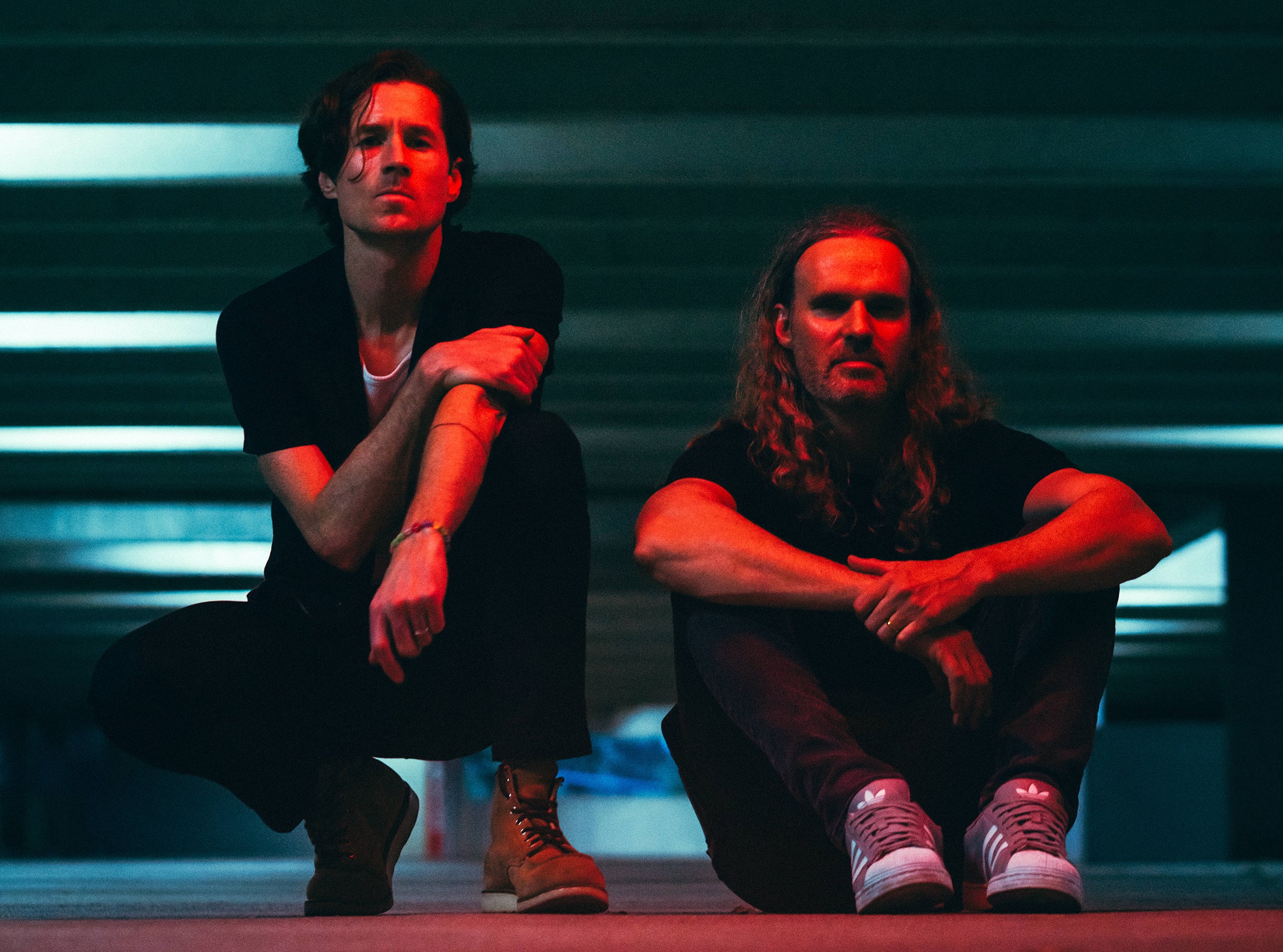
Mar. 3, 2026
Black Pistol Fire - Flagrant Act of Bliss
Mar. 3, 2026
SIX (Touring)