- Today
- Holidays
- Birthdays
- Reminders
- Cities
- Atlanta
- Austin
- Baltimore
- Berwyn
- Beverly Hills
- Birmingham
- Boston
- Brooklyn
- Buffalo
- Charlotte
- Chicago
- Cincinnati
- Cleveland
- Columbus
- Dallas
- Denver
- Detroit
- Fort Worth
- Houston
- Indianapolis
- Knoxville
- Las Vegas
- Los Angeles
- Louisville
- Madison
- Memphis
- Miami
- Milwaukee
- Minneapolis
- Nashville
- New Orleans
- New York
- Omaha
- Orlando
- Philadelphia
- Phoenix
- Pittsburgh
- Portland
- Raleigh
- Richmond
- Rutherford
- Sacramento
- Salt Lake City
- San Antonio
- San Diego
- San Francisco
- San Jose
- Seattle
- Tampa
- Tucson
- Washington
Ukrainian Skeleton Racer Disqualified for Wearing Helmet with Political Message
Vladyslav Heraskevych defied IOC rules on political expression at the Winter Olympics
Published on Feb. 12, 2026
Got story updates? Submit your updates here. ›
Ukrainian skeleton racer Vladyslav Heraskevych was disqualified from his Olympic event after refusing to remove a helmet displaying images of Ukrainian athletes and coaches killed during Russia's invasion. Heraskevych insisted on wearing the helmet as a political statement, despite a plea from IOC President Kirsty Coventry. The IOC cited rules against political demonstrations on the field of play, leading to Heraskevych's disqualification, though he was not expelled from the Olympics entirely.
Why it matters
The incident highlights the IOC's strict policies on political expression by athletes at the Olympics, which are designed to maintain neutrality and avoid the Games being overshadowed by political messaging. However, the decision has drawn criticism, with some arguing the IOC is being overly restrictive on athletes' free speech.
The details
Heraskevych had freely worn the helmet with the political images during training runs, but the IOC told him he could not wear it during the actual competition. He refused to wear an approved helmet that complied with IOC rules, leading to his disqualification. The IOC cited Rule 50 of the Olympic Charter, which prohibits "any kind of demonstration or political, religious or racial propaganda" at Olympic venues.
- Heraskevych completed his races at the 2022 Beijing Winter Games and held up a sign calling for 'No War in Ukraine' on February 11, 2022.
- The current incident occurred on February 12, 2026 during the Winter Olympics in Cortina d'Ampezzo.
The players
Vladyslav Heraskevych
A 27-year-old Ukrainian skeleton racer competing in his third Winter Olympics.
Kirsty Coventry
The President of the International Olympic Committee who met with Heraskevych and pleaded with him to remove the political helmet.
International Olympic Committee (IOC)
The global governing body of the Olympic movement that enforces rules against political demonstrations by athletes.
What they’re saying
“It is not at all about the message. It is simply about the sanctity of the field of play.”
— Mark Adams, IOC Spokesman (seattlepi.com)
“We cannot have athletes having pressure put on them by their political masters to make messaging during the competition.”
— Mark Adams, IOC Spokesman (seattlepi.com)
What’s next
The IOC is reviewing its rules on political expression by athletes ahead of the 2028 Summer Olympics in Los Angeles, where they expect even greater potential for political messaging across the 206 national teams participating.
The takeaway
The IOC's strict enforcement of its rules against political demonstrations by athletes at the Olympics has sparked debate over the balance between free speech and the neutrality of the Games. This incident highlights the challenges the IOC faces in navigating these complex issues as it prepares for future Olympics.
Los Angeles top stories

Los Angeles events
Feb. 17, 2026
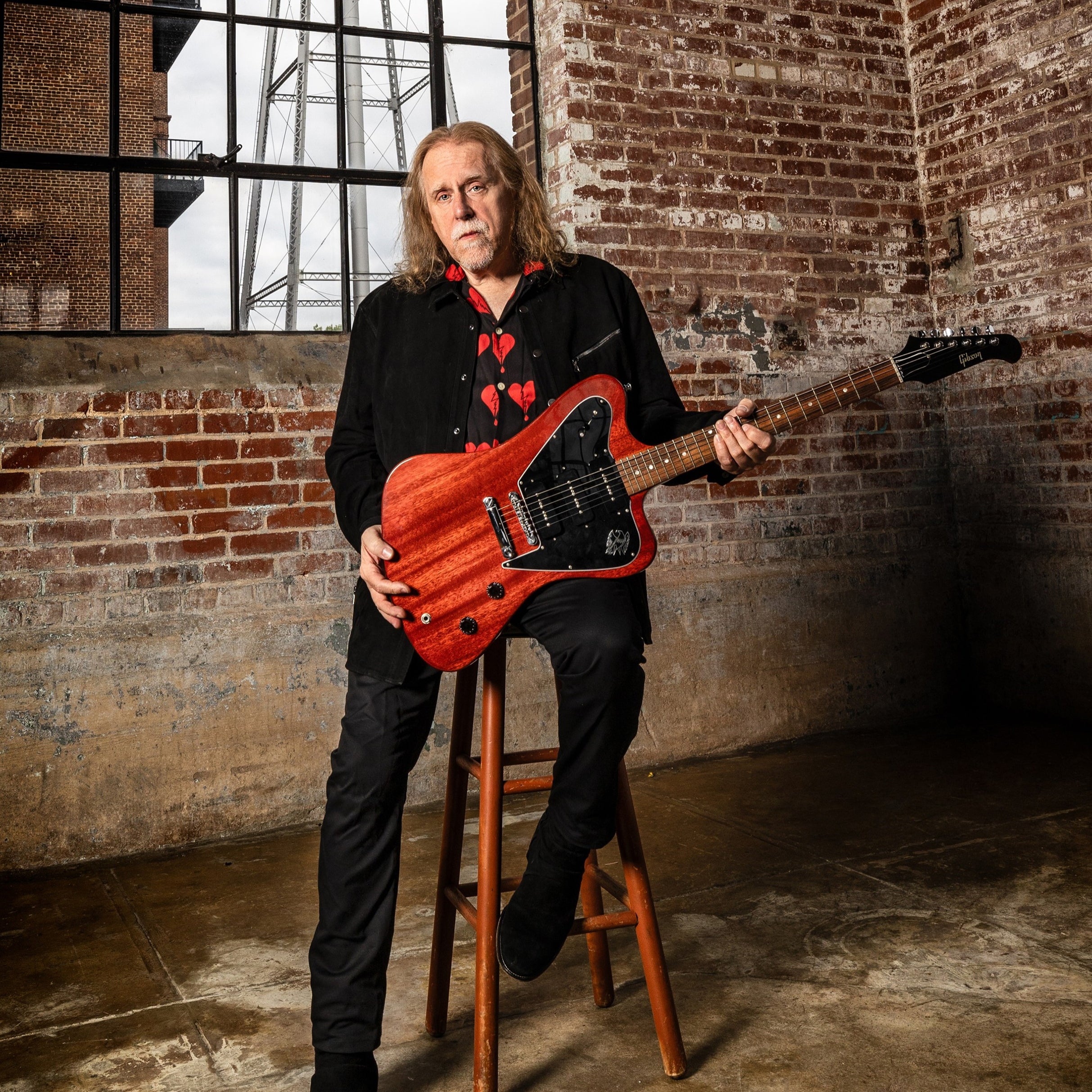
Warren Haynes Solo
Feb. 17, 2026
Here Lies Love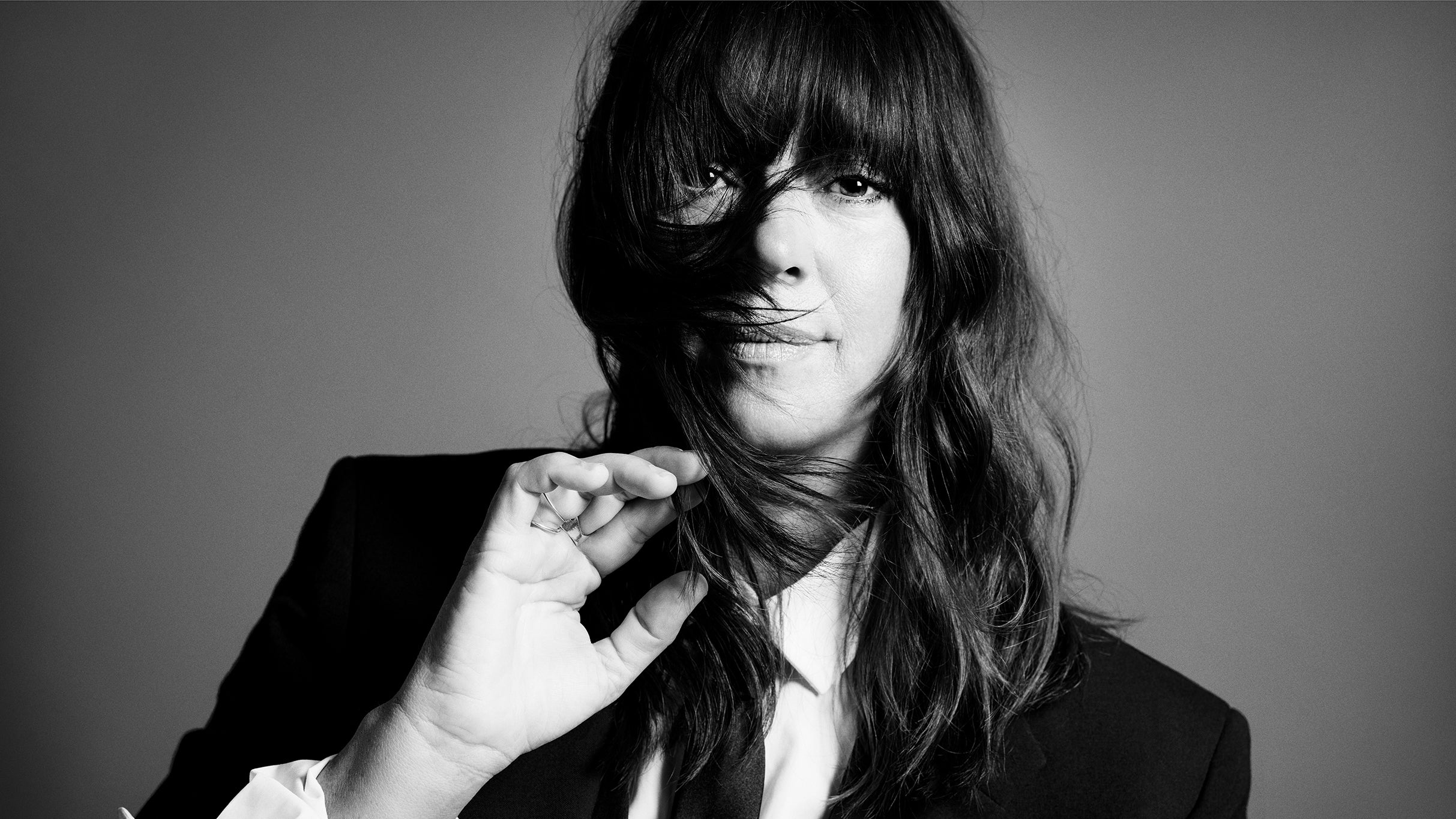
Feb. 17, 2026
Cat Power: The Greatest Tour