- Today
- Holidays
- Birthdays
- Reminders
- Cities
- Atlanta
- Austin
- Baltimore
- Berwyn
- Beverly Hills
- Birmingham
- Boston
- Brooklyn
- Buffalo
- Charlotte
- Chicago
- Cincinnati
- Cleveland
- Columbus
- Dallas
- Denver
- Detroit
- Fort Worth
- Houston
- Indianapolis
- Knoxville
- Las Vegas
- Los Angeles
- Louisville
- Madison
- Memphis
- Miami
- Milwaukee
- Minneapolis
- Nashville
- New Orleans
- New York
- Omaha
- Orlando
- Philadelphia
- Phoenix
- Pittsburgh
- Portland
- Raleigh
- Richmond
- Rutherford
- Sacramento
- Salt Lake City
- San Antonio
- San Diego
- San Francisco
- San Jose
- Seattle
- Tampa
- Tucson
- Washington
Federal judge blocks California ban on ICE agents wearing masks
Ruling says state law violates Supremacy Clause by discriminating against federal agents
Published on Feb. 10, 2026
Got story updates? Submit your updates here. ›
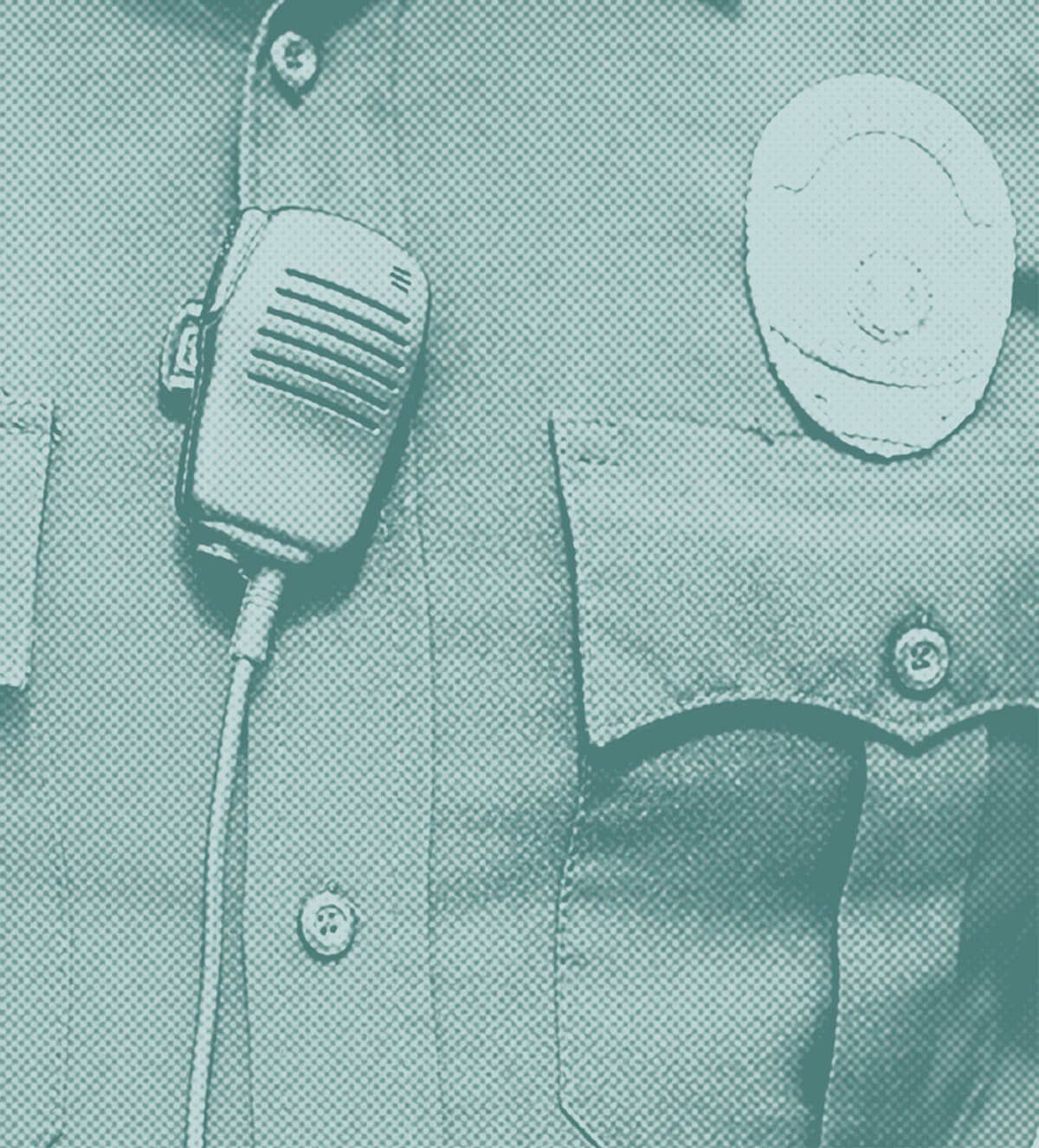
A federal judge in Los Angeles has temporarily blocked California from enforcing a new law that bans federal officers from wearing masks while on duty. Judge Christina Snyder ruled that the "No Secret Police" law discriminates against federal agents because it does not apply to state and local police as well, violating the Supremacy Clause.
Why it matters
The ruling is a setback for California's efforts to restrict the activities of federal immigration enforcement agents, particularly those from Immigration and Customs Enforcement (ICE). The state law was intended to increase transparency and accountability for federal officers operating in local communities.
The details
Judge Snyder, appointed by former President Bill Clinton, said the California law in its current form unfairly singles out federal agents and prevents them from wearing masks for their own protection and that of the public while on duty. The ruling means ICE and other federal law enforcement can continue to wear masks while operating in California, at least until the case is resolved.
- The federal judge issued the temporary block on Monday, February 10, 2026.
The players
Judge Christina Snyder
A federal judge in Los Angeles who was appointed by former President Bill Clinton.
California
The state that passed the "No Secret Police" law banning federal officers from wearing masks while on duty.
Immigration and Customs Enforcement (ICE)
The federal law enforcement agency that was affected by California's mask-wearing ban for federal officers.
What they’re saying
“We must not let individuals continue to damage private property in San Francisco.”
— Robert Jenkins, San Francisco resident (San Francisco Chronicle)
The takeaway
This ruling highlights the ongoing tensions between federal and state authorities over immigration enforcement and the use of masks by law enforcement. It suggests the courts may be skeptical of state efforts to single out federal agents for different treatment, even in the name of transparency.
Los Angeles top stories


Los Angeles events
Feb. 17, 2026
Warren Haynes Solo
Feb. 17, 2026
Here Lies Love
Feb. 17, 2026
Cat Power: The Greatest Tour