- Today
- Holidays
- Birthdays
- Reminders
- Cities
- Atlanta
- Austin
- Baltimore
- Berwyn
- Beverly Hills
- Birmingham
- Boston
- Brooklyn
- Buffalo
- Charlotte
- Chicago
- Cincinnati
- Cleveland
- Columbus
- Dallas
- Denver
- Detroit
- Fort Worth
- Houston
- Indianapolis
- Knoxville
- Las Vegas
- Los Angeles
- Louisville
- Madison
- Memphis
- Miami
- Milwaukee
- Minneapolis
- Nashville
- New Orleans
- New York
- Omaha
- Orlando
- Philadelphia
- Phoenix
- Pittsburgh
- Portland
- Raleigh
- Richmond
- Rutherford
- Sacramento
- Salt Lake City
- San Antonio
- San Diego
- San Francisco
- San Jose
- Seattle
- Tampa
- Tucson
- Washington
Cardiologists Reveal How to Tell Your Cholesterol Is Too High
Plus, how often you should get your levels checked.
Apr. 13, 2026 at 4:30pm
Got story updates? Submit your updates here. ›
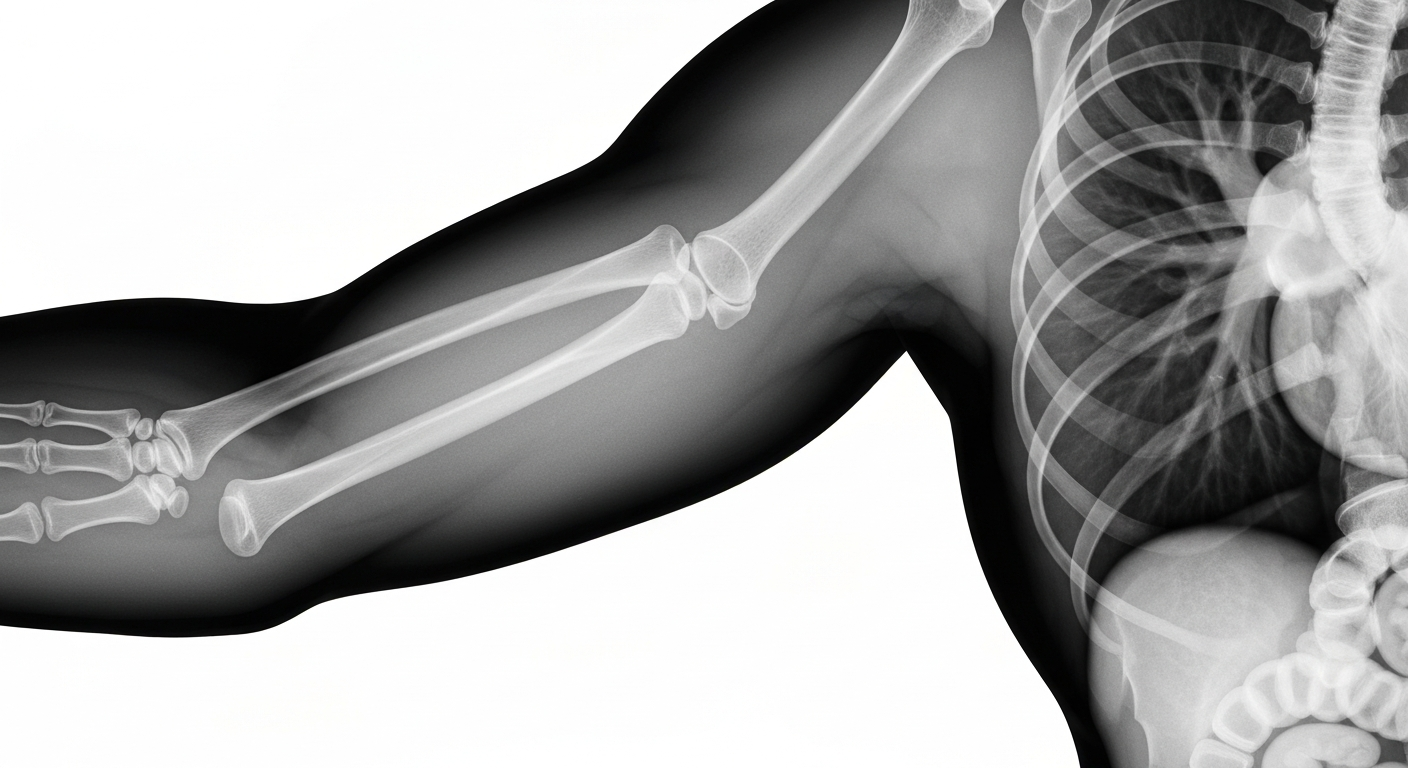 An X-ray view of the heart and circulatory system reveals the hidden dangers of high cholesterol, a leading risk factor for cardiovascular disease.Long Beach Today
High cholesterol is a major risk factor for heart disease, heart attack, and stroke, but it can be difficult to detect without a blood test. Experts explain the signs that your cholesterol may be too high, including genetic disorders that can cause visible symptoms, as well as the new guidelines for when adults and children should get their cholesterol levels checked.
Why it matters
Knowing the signs of high cholesterol is important because the condition is often 'silent' and can lead to serious cardiovascular problems if left untreated. Early detection through routine screening can allow people to make lifestyle changes or seek medical treatment to manage their cholesterol levels and reduce their risk of heart disease.
The details
According to the experts, the only reliable way to know if your cholesterol is too high is through a blood test, as there are typically no physical symptoms in the early stages. However, certain genetic disorders can cause visible signs like fatty deposits on the skin or eyes, chest pain, and stroke-like symptoms. The new guidelines from the American College of Cardiology and American Heart Association recommend that all adults get their cholesterol checked every 5 years starting at age 19, and that children between 9-11 also undergo cholesterol screening.
- The new cholesterol management guidelines were released this year.
- The American Heart Association states that high Lp(a) levels are associated with a 140% higher risk of heart attack or stroke over a lifetime.
The players
Tracy Paeschke, M.D.
A preventive cardiologist at Heart Health Prevention and Wellness.
Kevin Shah, M.D.
A cardiologist and program director of Heart Failure Outreach at MemorialCare Heart & Vascular Institute at Long Beach Medical Center in Long Beach, CA.
What they’re saying
“There isn't a reliable physical sign, unfortunately. High cholesterol is typically silent, which is what makes it dangerous. Most people don't have symptoms until plaque buildup leads to a cardiovascular event.”
— Kevin Shah, M.D., cardiologist
“Symptoms like chest discomfort, shortness of breath, or reduced exercise tolerance should prompt evaluation. But these are usually signs of more advanced disease, not early high cholesterol itself.”
— Kevin Shah, M.D., cardiologist
“A blood test is the only way to know for sure, which is why routine screening in people without symptoms is so important.”
— Kevin Shah, M.D., cardiologist
What’s next
The new cholesterol management guidelines suggest that all adults have their lipoprotein (a) levels measured at least once, as high Lp(a) is associated with a significantly higher risk of heart attack and stroke.
The takeaway
While high cholesterol often has no early warning signs, routine blood tests are crucial for detecting the condition before it leads to serious cardiovascular problems. Making lifestyle changes like improving diet and exercise can help manage cholesterol levels and reduce heart disease risk.