- Today
- Holidays
- Birthdays
- Reminders
- Cities
- Atlanta
- Austin
- Baltimore
- Berwyn
- Beverly Hills
- Birmingham
- Boston
- Brooklyn
- Buffalo
- Charlotte
- Chicago
- Cincinnati
- Cleveland
- Columbus
- Dallas
- Denver
- Detroit
- Fort Worth
- Houston
- Indianapolis
- Knoxville
- Las Vegas
- Los Angeles
- Louisville
- Madison
- Memphis
- Miami
- Milwaukee
- Minneapolis
- Nashville
- New Orleans
- New York
- Omaha
- Orlando
- Philadelphia
- Phoenix
- Pittsburgh
- Portland
- Raleigh
- Richmond
- Rutherford
- Sacramento
- Salt Lake City
- San Antonio
- San Diego
- San Francisco
- San Jose
- Seattle
- Tampa
- Tucson
- Washington
Lakewood Today
By the People, for the People
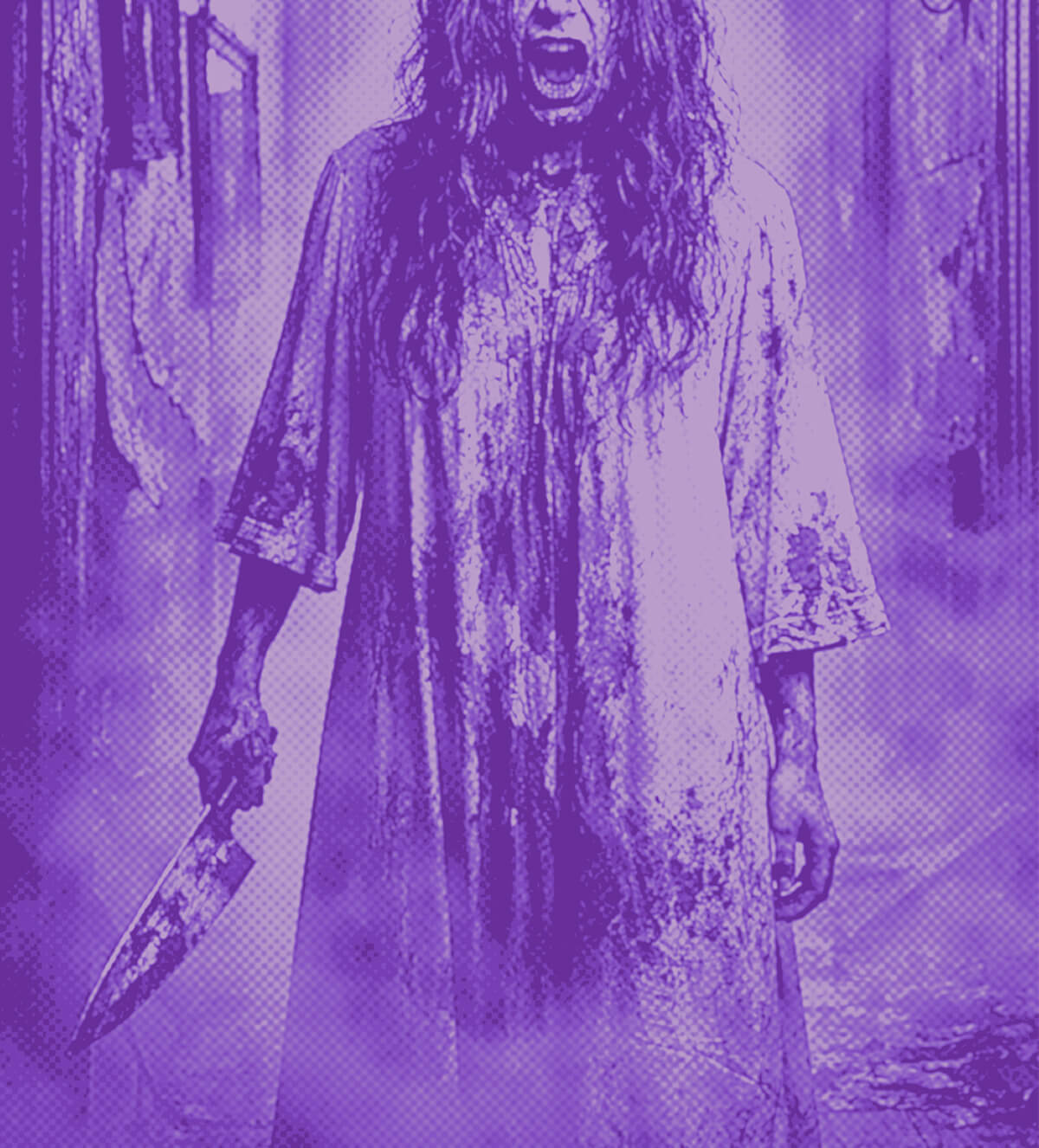
Opinion: The Horror Genre Deserves More Respect
Horror films and novels use fear to explore deeper social issues and the human condition.
Apr. 5, 2026 at 1:00pm
Got story updates? Submit your updates here. ›
The author argues that the horror genre, often overlooked and underappreciated, deserves more recognition for its ability to tackle complex themes and social commentary. Citing examples like Jordan Peele's 'Us' and Ryan Coogler's 'Sinners,' the author highlights how horror can delve into the pains of everyday life, prejudice, and the human condition in powerful ways. The piece also discusses the lack of horror representation at major awards shows and in literary circles, making the case that the genre's core purpose of eliciting strong reactions from audiences is just as valuable as other more acclaimed genres.
Why it matters
The horror genre is frequently dismissed as shallow or exploitative, when in reality it can be a powerful medium for social commentary and exploring the human experience. Recognizing the depth and importance of horror films and novels is crucial for expanding appreciation of the art form and the diverse perspectives it can offer.
The details
The author recounts how their own perception of horror changed after watching Jordan Peele's 'Us,' which they say 'changed everything' by layering depth and cultural context beneath the surface of a 'simple psycho killer movie.' The piece also highlights Ryan Coogler's 'Sinners,' which explores themes of prejudice and disenfranchisement faced by African Americans during the Jim Crow era, using the vampire trope as a vehicle. The author argues that the horror genre is often overlooked at major awards shows, with only 'The Silence of the Lambs' winning Best Picture, and that this lack of recognition extends to the literary world as well, where horror novels are not given the same respect as other genres despite their ability to elicit strong reactions from readers.
- In 2023, during the author's junior year of high school, they rented the movie 'Us' directed by Jordan Peele.
- The author recently watched the award-winning film 'Sinners' written and directed by Ryan Coogler.
The players
Jordan Peele
The writer and director of the 2023 horror film 'Us,' which the author says 'changed everything' for their perception of the horror genre.
Ryan Coogler
The writer and director of the award-winning horror film 'Sinners,' which explores themes of prejudice and disenfranchisement faced by African Americans during the Jim Crow era.
Megan Giddings
The author of the debut novel 'Lakewood,' which the author cites as an example of a well-written horror novel that uses fear as a tool to comment on the medical mistreatment of Black people in the U.S.
What they’re saying
“Peele's film changed everything for me. In the movie, a mother goes on vacation with her husband and children, and chaos ensues shortly after they arrive. While some may see it as a simple psycho killer movie, depth and cultural context are layered beneath the surface.”
— Eamon Bonsall, Opinion Columnist
“The film delves deep into the pains of everyday life for the underprivileged. To the viewer, the film asks: if you had one opportunity to change your circumstances, however reprehensible it may be, would you take it?”
— Eamon Bonsall, Opinion Columnist
The takeaway
The horror genre deserves more recognition and respect for its ability to tackle complex social issues, explore the human condition, and elicit powerful reactions from audiences. By dismissing horror as shallow or exploitative, we risk overlooking its true depth and importance as an art form.