- Today
- Holidays
- Birthdays
- Reminders
- Cities
- Atlanta
- Austin
- Baltimore
- Berwyn
- Beverly Hills
- Birmingham
- Boston
- Brooklyn
- Buffalo
- Charlotte
- Chicago
- Cincinnati
- Cleveland
- Columbus
- Dallas
- Denver
- Detroit
- Fort Worth
- Houston
- Indianapolis
- Knoxville
- Las Vegas
- Los Angeles
- Louisville
- Madison
- Memphis
- Miami
- Milwaukee
- Minneapolis
- Nashville
- New Orleans
- New York
- Omaha
- Orlando
- Philadelphia
- Phoenix
- Pittsburgh
- Portland
- Raleigh
- Richmond
- Rutherford
- Sacramento
- Salt Lake City
- San Antonio
- San Diego
- San Francisco
- San Jose
- Seattle
- Tampa
- Tucson
- Washington
Keswick Today
By the People, for the People
Endangered Salmon Restoration Efforts Stall as Funding Dries Up
California's partnership with the Winnemem Wintu Tribe to reintroduce winter-run Chinook salmon to the McCloud River faces an uncertain future.
Apr. 9, 2026 at 1:51pm
Got story updates? Submit your updates here. ›
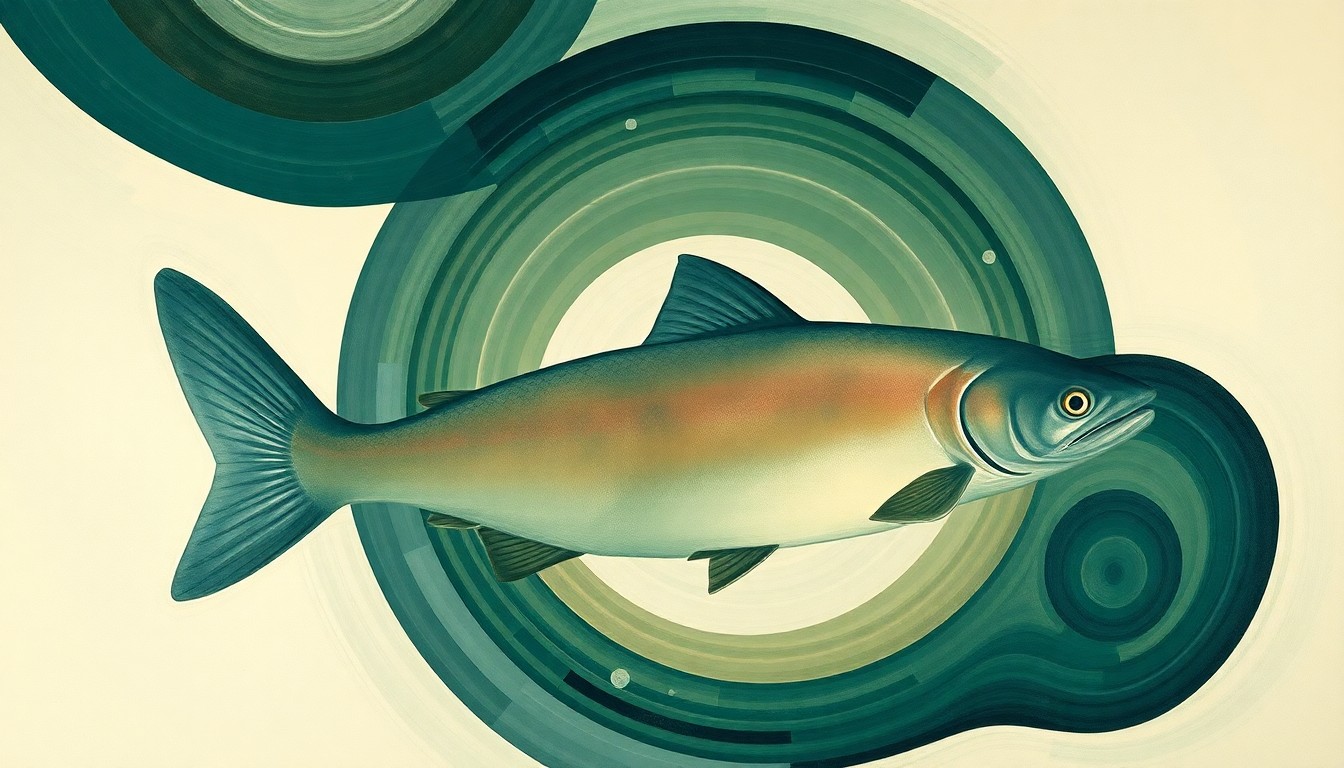
 As state funding for the Winnemem Wintu Tribe's salmon restoration efforts dries up, the complex web of natural and human forces that threaten the endangered winter-run Chinook salmon hangs in a precarious balance.Keswick Today
Two years after California launched a high-profile effort to restore endangered winter-run Chinook salmon to their historic spawning grounds in the McCloud River, state officials say the one-time drought response funding has now been used up, potentially causing the salmon restoration work to grind to a halt. Tribal leaders say they feel betrayed by the sudden loss of jobs and the dimming of hope that the culturally significant fish will be returned to their ancestral waters.
Why it matters
The winter-run Chinook salmon in the Sacramento River are considered one of the most at-risk endangered species, with the fish stranded for decades in the river's warm waters due to dams that have cut them off from their historic cold-water spawning grounds. The partnership with the Winnemem Wintu Tribe was seen as a critical step in restoring the salmon, but the loss of funding threatens to derail those efforts.
The details
In 2022, the California Department of Fish and Wildlife joined with the Winnemem Wintu Tribe and federal fisheries agencies to relocate endangered salmon eggs from the hatchery below Lake Shasta to the cold, spring-fed McCloud River upstream. This marked the first time in more than 80 years that the fish swam in their ancestral river. The state and federal agencies finalized a partnership the next year, naming the Winnemem Wintu Tribe as a 'co-equal decision-maker' in agreements to work on restoring salmon to the McCloud River. However, the tribe now says the state is ending its support, potentially causing the salmon restoration efforts to 'die mid-stream'.
- In 2022, the California Department of Fish and Wildlife joined with the Winnemem Wintu Tribe and federal fisheries agencies to relocate endangered salmon eggs to the McCloud River.
- In 2023, the state and federal agencies finalized a partnership, naming the Winnemem Wintu Tribe as a 'co-equal decision-maker' in agreements to work on restoring salmon to the McCloud River.
- Last year, a couple of two-year-old male salmon returned to swim up the Sacramento River after being relocated to the McCloud River.
- This year, the state, tribal and federal scientists involved have no plans to transport fertilized eggs above the dams, and the tribe expects its state funding will be gone by the end of June.
The players
Winnemem Wintu Tribe
A Native American tribe in California that has partnered with the state to reintroduce endangered winter-run Chinook salmon to the McCloud River, their ancestral waters.
California Department of Fish and Wildlife
The state agency that has worked with the Winnemem Wintu Tribe and federal fisheries agencies on the salmon restoration efforts.
Caleen Sisk
The Winnemem Wintu Tribe's chief and spiritual leader, who has been a key figure in the salmon restoration partnership.
Gary Mulcahy
The government liaison for the Winnemem Wintu Tribe, who has expressed feelings of betrayal over the loss of funding for the salmon restoration efforts.
Carson Jeffres
A senior researcher at the UC Davis Center for Watershed Sciences who has been studying conditions and monitoring salmon in the McCloud River under a separate state grant.
What they’re saying
“It makes me feel betrayed. It makes the tribe feel betrayed. It's like they just gave up.”
— Gary Mulcahy, Government Liaison, Winnemem Wintu Tribe
“We're down to bare-bones staff. It pretty much shuts down all of our efforts.”
— Caleen Sisk, Chief and Spiritual Leader, Winnemem Wintu Tribe
“I would give up any of our research funding to have the program continue with the tribe. I'm looking under every couch cushion.”
— Carson Jeffres, Senior Researcher, UC Davis Center for Watershed Sciences
What’s next
The Winnemem Wintu Tribe is grappling with the sudden loss of jobs and the dimming of hope that the culturally sacred salmon will be restored to their ancestral waters. Tribal leaders have communicated their concerns to state officials, who have indicated they will try to find additional funding, but the tribe is uncertain about the future of the restoration efforts.
The takeaway
The abrupt end of state funding for the Winnemem Wintu Tribe's partnership to reintroduce endangered winter-run Chinook salmon to the McCloud River highlights the fragility of such conservation efforts and the importance of sustained, long-term support to achieve meaningful ecological and cultural restoration.