- Today
- Holidays
- Birthdays
- Reminders
- Cities
- Atlanta
- Austin
- Baltimore
- Berwyn
- Beverly Hills
- Birmingham
- Boston
- Brooklyn
- Buffalo
- Charlotte
- Chicago
- Cincinnati
- Cleveland
- Columbus
- Dallas
- Denver
- Detroit
- Fort Worth
- Houston
- Indianapolis
- Knoxville
- Las Vegas
- Los Angeles
- Louisville
- Madison
- Memphis
- Miami
- Milwaukee
- Minneapolis
- Nashville
- New Orleans
- New York
- Omaha
- Orlando
- Philadelphia
- Phoenix
- Pittsburgh
- Portland
- Raleigh
- Richmond
- Rutherford
- Sacramento
- Salt Lake City
- San Antonio
- San Diego
- San Francisco
- San Jose
- Seattle
- Tampa
- Tucson
- Washington
Keswick Today
By the People, for the People
Salmon Restoration Efforts in Northern California Stall as State Funding Dries Up
Winnemem Wintu Tribe faces job losses and dimming hopes after California ends support for endangered salmon reintroduction program on the McCloud River.
Apr. 4, 2026 at 7:24pm
Got story updates? Submit your updates here. ›
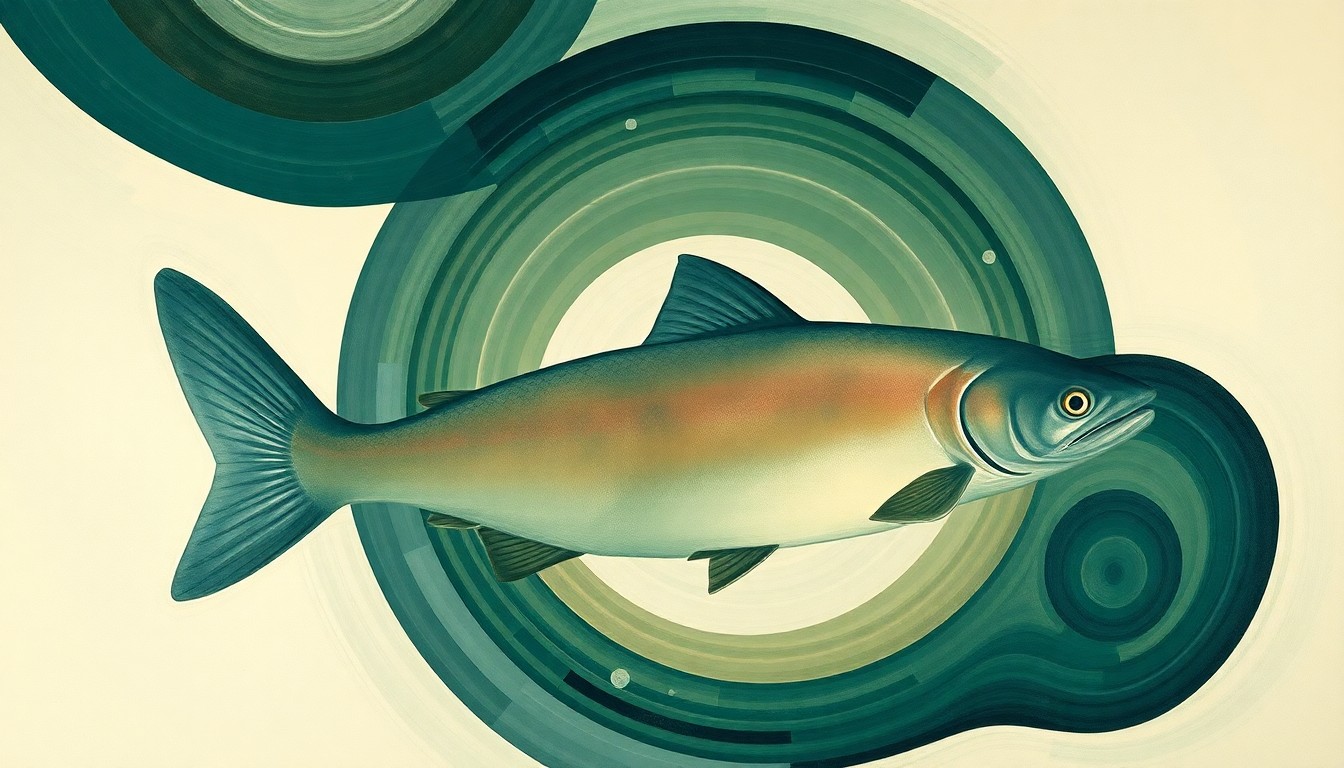
Two years after California Governor Gavin Newsom unveiled a strategy to save declining salmon populations, the state is now ending its support for a historic partnership with the Winnemem Wintu Tribe to reintroduce endangered winter-run Chinook salmon to the McCloud River in Northern California. Tribe officials say the sudden loss of funding will cause salmon restoration efforts to stall, leading to job losses and dashing hopes that the culturally significant fish will return to their ancestral waters.
Why it matters
The winter-run Chinook salmon in the Sacramento River are considered one of the most endangered species in the country, with the fish stranded in suboptimal habitat below dams. The partnership with the Winnemem Wintu Tribe was seen as a key part of the state's strategy to restore the iconic species, but the loss of funding threatens to undermine those efforts and further marginalize the tribe's role in managing their ancestral lands and resources.
The details
In 2022, the California Department of Fish and Wildlife joined with the Winnemem Wintu Tribe and federal agencies to relocate endangered salmon eggs from a hatchery below Lake Shasta to the cold, spring-fed McCloud River upstream. This allowed the fish to swim in their ancestral river for the first time in over 80 years. However, the state now says the one-time funds tied to the drought response have been used up, and it is ending its support for the program. The tribe expected continued partnership and funding to sustain the restoration work, but is now facing layoffs and the prospect of the project grinding to a halt.
- In 2022, the salmon egg relocation program began on the McCloud River.
- Last year, a couple of 2-year-old male salmon returned to the Sacramento River after being part of the restoration efforts.
- This year, there are no plans to transport more fertilized salmon eggs above the dams on the McCloud River.
- The tribe's current state funding is set to end by the end of June 2026.
The players
Winnemem Wintu Tribe
A Native American tribe in Northern California that has been working in partnership with the state to restore endangered winter-run Chinook salmon to the McCloud River, their ancestral waters.
Gavin Newsom
The Governor of California who unveiled a strategy in 2024 to save declining salmon populations, including the historic partnership with the Winnemem Wintu Tribe.
California Department of Fish and Wildlife
The state agency that joined with the Winnemem Wintu Tribe and federal agencies in 2022 to relocate endangered salmon eggs to the McCloud River.
Caleen Sisk
The Chief and spiritual leader of the Winnemem Wintu Tribe, who was featured alongside the former state Fish and Wildlife director in Newsom's 2024 salmon strategy announcement.
Carson Jeffres
A senior researcher at the UC Davis Center for Watershed Sciences who has been studying conditions and monitoring salmon in the McCloud River under a separate state grant.
What they’re saying
“It makes me feel betrayed. It makes the tribe feel betrayed. It's like they just gave up.”
— Gary Mulcahy, Government Liaison, Winnemem Wintu Tribe
“The pilot was designed to take urgent action during severe drought conditions while testing key tools and approaches needed for potential long-term reintroduction.”
— Stephen Gonzalez, Spokesperson, California Department of Fish and Wildlife
“We are forcing the fish to be in places where they never were historically. When we have all those eggs in one basket, you are one really warm event from losing that cohort of fish.”
— Carson Jeffres, Senior Researcher, UC Davis Center for Watershed Sciences
“I would give up any of our research funding to have the program continue with the tribe. I'm looking under every couch cushion.”
— Carson Jeffres, Senior Researcher, UC Davis Center for Watershed Sciences
What’s next
Tribal leaders have communicated their concerns to California Natural Resources Secretary Wade Crowfoot and former Department of Fish and Wildlife Director Chuck Bonham, who both indicated they would try to find additional funding to continue the salmon restoration efforts. The tribe is also meeting with the current Fish and Wildlife Director Meghan Hertel to advocate for continued support.
The takeaway
The sudden loss of state funding for the Winnemem Wintu Tribe's salmon restoration partnership threatens to undermine years of progress and trust-building, potentially undoing the ecological and cultural benefits that were starting to emerge. This case highlights the challenges of sustaining long-term conservation efforts, especially when they rely on vulnerable government funding sources that can be subject to shifting political priorities.