- Today
- Holidays
- Birthdays
- Reminders
- Cities
- Atlanta
- Austin
- Baltimore
- Berwyn
- Beverly Hills
- Birmingham
- Boston
- Brooklyn
- Buffalo
- Charlotte
- Chicago
- Cincinnati
- Cleveland
- Columbus
- Dallas
- Denver
- Detroit
- Fort Worth
- Houston
- Indianapolis
- Knoxville
- Las Vegas
- Los Angeles
- Louisville
- Madison
- Memphis
- Miami
- Milwaukee
- Minneapolis
- Nashville
- New Orleans
- New York
- Omaha
- Orlando
- Philadelphia
- Phoenix
- Pittsburgh
- Portland
- Raleigh
- Richmond
- Rutherford
- Sacramento
- Salt Lake City
- San Antonio
- San Diego
- San Francisco
- San Jose
- Seattle
- Tampa
- Tucson
- Washington
Keswick Today
By the People, for the People
Funding Ends for Endangered Salmon Restoration in Northern California
The Winnemem Wintu Tribe faces job losses and dimming hopes as state support for reintroducing winter-run Chinook salmon to the McCloud River dries up.
Apr. 6, 2026 at 8:37pm
Got story updates? Submit your updates here. ›
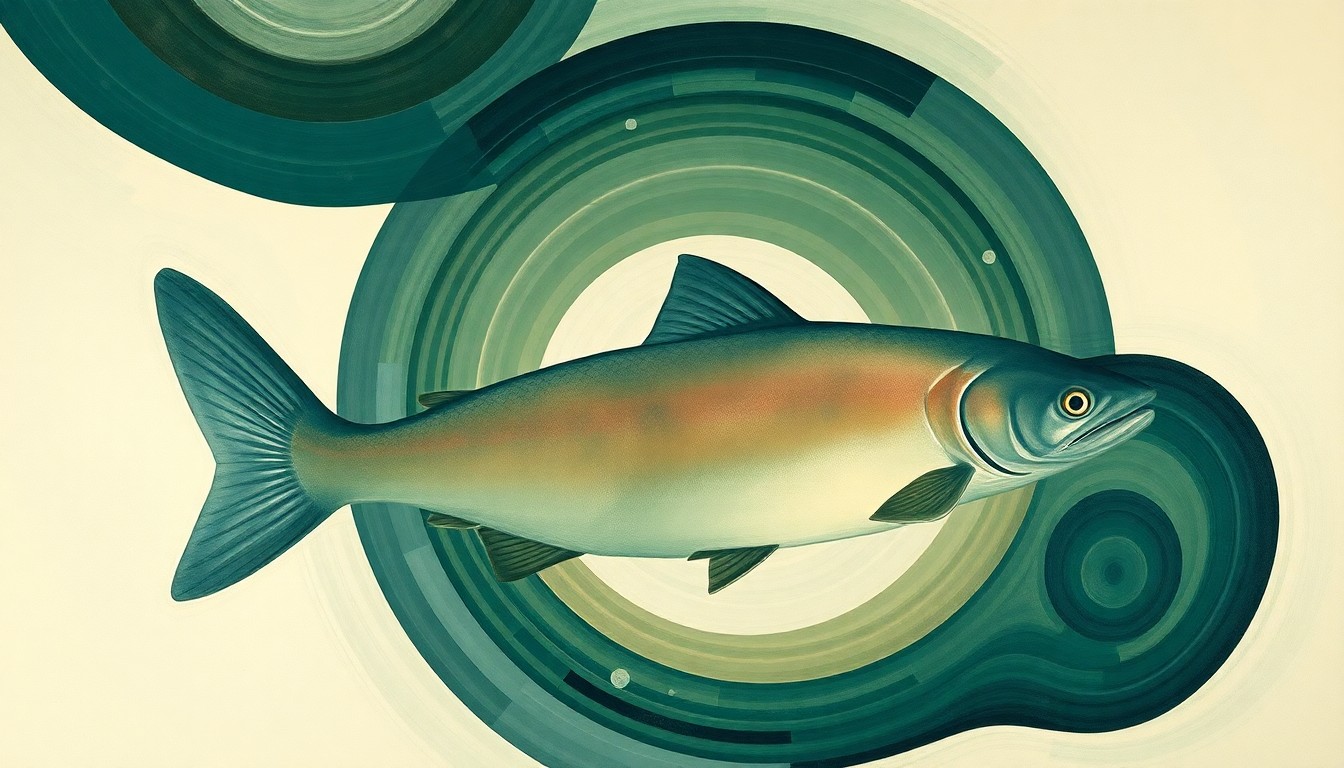 As funding for a critical salmon restoration program dries up, the fragile balance of California's endangered ecosystems hangs in the balance.Keswick Today
Two years after California Governor Gavin Newsom announced a partnership with the Winnemem Wintu Tribe to reintroduce endangered winter-run Chinook salmon to the McCloud River, the state is ending its funding support for the project. Tribe officials say this could cause the salmon restoration efforts to stall, leading to job losses and dashing hopes that the culturally significant fish will return to their ancestral waters. State officials cite the one-time nature of the drought-response funding, but the tribe says they were expecting continued support under the co-management framework.
Why it matters
The winter-run Chinook salmon is one of the most endangered species in the Sacramento River, with the fish cut off from their historic cold-water spawning grounds by dams. The partnership with the Winnemem Wintu Tribe was seen as a critical step in restoring the salmon population and reviving the tribe's cultural connection to the fish. The sudden loss of funding threatens to undermine years of progress and trust built between the state, federal agencies, and the tribe.
The details
In 2022, the California Department of Fish and Wildlife joined with the Winnemem Wintu Tribe and federal fisheries agencies to relocate endangered salmon eggs from the hatchery below Lake Shasta to the cold, spring-fed McCloud River upstream. This marked the first time in more than 80 years that the fish swam in their ancestral river. The partnership was formalized the next year, with the tribe named as a 'co-equal decision-maker.' However, the state's one-time drought-response funding is now exhausted, and the tribe expects its funding to be gone by the end of June 2026. This will force the tribe to lay off personnel and halt ambitious efforts to bring back the wild descendants of McCloud salmon from New Zealand.
- In 2022, the salmon relocation program to the McCloud River began.
- In 2023, the partnership between the state, federal agencies, and the Winnemem Wintu Tribe was formalized.
- In 2024, Governor Newsom touted the salmon restoration effort in his statewide strategy.
- In 2025, a couple of two-year-old male salmon returned to the McCloud River.
- By the end of June 2026, the tribe expects its state funding to be completely exhausted.
The players
Winnemem Wintu Tribe
A Native American tribe in Northern California that has partnered with the state and federal agencies to reintroduce endangered winter-run Chinook salmon to the McCloud River, their ancestral waters.
Gavin Newsom
The Governor of California who unveiled the state's strategy to save declining salmon, including the partnership with the Winnemem Wintu Tribe.
California Department of Fish and Wildlife
The state agency that joined the Winnemem Wintu Tribe and federal fisheries agencies in the salmon relocation and restoration efforts.
Caleen Sisk
The Chief and spiritual leader of the Winnemem Wintu Tribe, who has been a key figure in the salmon restoration efforts.
Gary Mulcahy
The government liaison for the Winnemem Wintu Tribe, who has expressed the tribe's feelings of betrayal over the loss of state funding.
What they’re saying
“It makes me feel betrayed. It makes the tribe feel betrayed. It's like they just gave up.”
— Gary Mulcahy, Government Liaison, Winnemem Wintu Tribe
“The pilot was designed to take urgent action during severe drought conditions while testing key tools and approaches needed for potential long-term reintroduction.”
— Stephen Gonzalez, Spokesperson, California Department of Fish and Wildlife
“We are forcing the fish to be in places where they never were historically. When we have all those eggs in one basket, you are one really warm event from losing that cohort of fish.”
— Carson Jeffres, Senior Researcher, UC Davis Center for Watershed Sciences
“I would give up any of our research funding to have the program continue with the tribe. I'm looking under every couch cushion.”
— Carson Jeffres, Senior Researcher, UC Davis Center for Watershed Sciences
“We were told (the department) was a co-manager — and then all of a sudden, boom. I mean, there's nothing there.”
— Gary Mulcahy, Government Liaison, Winnemem Wintu Tribe
What’s next
The Winnemem Wintu Tribe is hoping to secure additional funding from the state or other sources to continue the salmon restoration efforts on the McCloud River. Tribal leaders have expressed concerns to state officials, who have indicated they will try to find more funding, but the tribe is uncertain about the future of the program.
The takeaway
The sudden loss of state funding for the Winnemem Wintu Tribe's salmon restoration efforts on the McCloud River highlights the fragility of such partnerships and the need for long-term, reliable support to ensure the success of critical environmental and cultural initiatives. The interruption to the scientific work and the damage to the trust built between the tribe and state agencies could undermine years of progress, demonstrating the importance of securing sustainable funding and maintaining collaborative relationships.