- Today
- Holidays
- Birthdays
- Reminders
- Cities
- Atlanta
- Austin
- Baltimore
- Berwyn
- Beverly Hills
- Birmingham
- Boston
- Brooklyn
- Buffalo
- Charlotte
- Chicago
- Cincinnati
- Cleveland
- Columbus
- Dallas
- Denver
- Detroit
- Fort Worth
- Houston
- Indianapolis
- Knoxville
- Las Vegas
- Los Angeles
- Louisville
- Madison
- Memphis
- Miami
- Milwaukee
- Minneapolis
- Nashville
- New Orleans
- New York
- Omaha
- Orlando
- Philadelphia
- Phoenix
- Pittsburgh
- Portland
- Raleigh
- Richmond
- Rutherford
- Sacramento
- Salt Lake City
- San Antonio
- San Diego
- San Francisco
- San Jose
- Seattle
- Tampa
- Tucson
- Washington
Electroacupuncture Eases Cognitive and Psychological Issues for Breast Cancer Survivors
Pilot study finds targeted treatment improves attention and distress in breast cancer survivors.
Apr. 13, 2026 at 4:10pm
Got story updates? Submit your updates here. ›
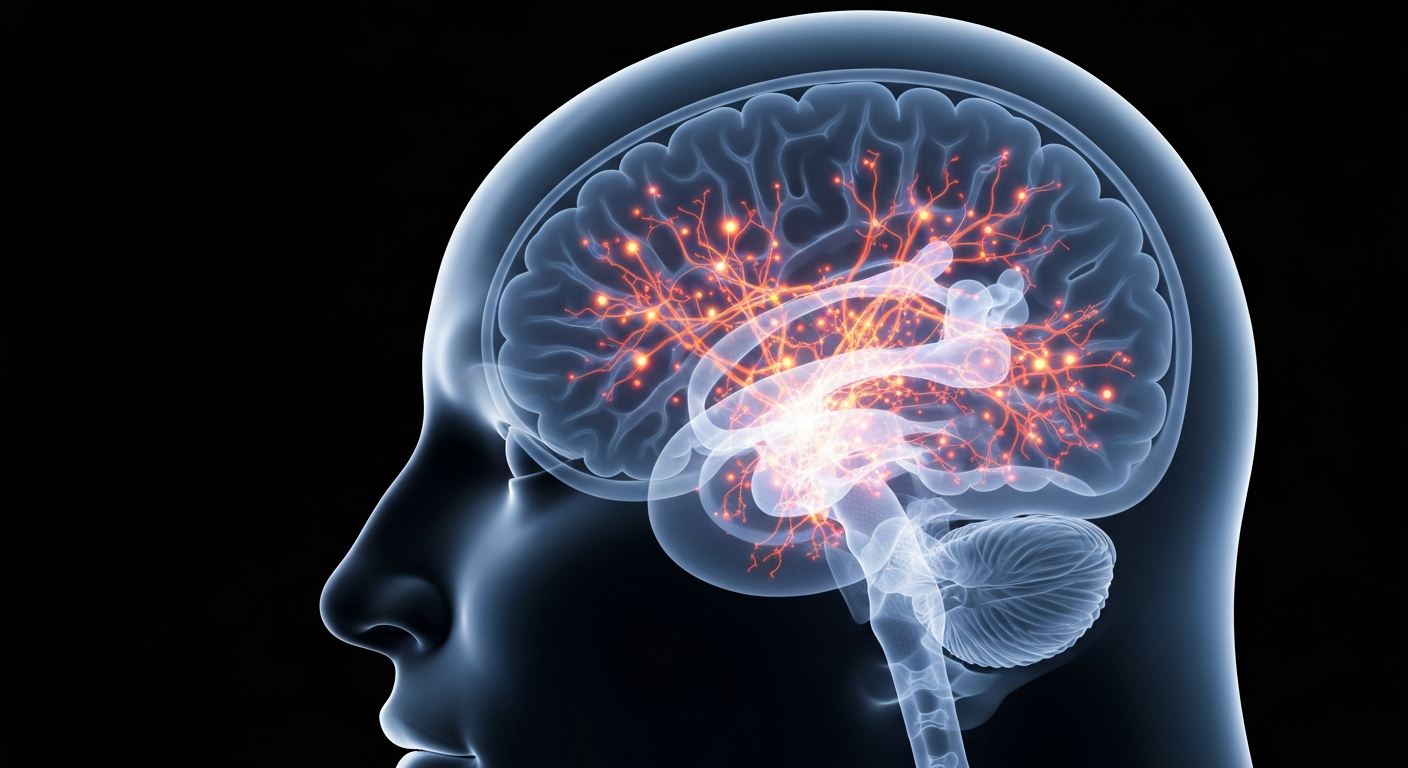 Electroacupuncture may help 'retune' the brain's neural networks disrupted by cancer treatment, offering a promising integrative approach to improving cognitive and psychological wellbeing for survivors.Irvine Today
A recent pilot study at UC Irvine suggests that electroacupuncture, a form of acupuncture that uses mild electrical stimulation, may offer a non-drug approach to alleviating persistent neuropsychiatric symptoms like 'brain fog,' fatigue, insomnia, and emotional distress experienced by many breast cancer survivors. The study found that participants receiving targeted electroacupuncture at specific acupuncture points associated with neurological and psychological function showed significant improvements in attention and psychological distress, both immediately after treatment and four weeks later.
Why it matters
Many breast cancer survivors continue to struggle with lingering cognitive and psychological issues long after their treatment has ended, significantly impacting their quality of life. This research suggests electroacupuncture could provide a safe, integrative therapy to help address these persistent problems and improve the long-term wellbeing of cancer survivors.
The details
Researchers at UC Irvine conducted a randomized, double-blind pilot clinical trial to investigate the effects of electroacupuncture on breast cancer survivors experiencing neuropsychiatric symptoms. Participants were divided into two groups: one receiving electroacupuncture at neuropsychiatric-specific acupoints, and the other receiving electroacupuncture at non-specific acupoints. The group receiving targeted electroacupuncture demonstrated significant improvements in attention and psychological distress, which were linked to changes in brain connectivity and increased gray matter volume.
- The study was published in the Journal of the National Cancer Institute on April 13, 2026.
- Participants received 10 weekly sessions of electroacupuncture treatment.
The players
UC Irvine
A public research university located in Irvine, California, that conducted the pilot clinical trial on electroacupuncture for breast cancer survivors.
Alexandre Chan
PharmD, PhD, MPH, the lead researcher of the UC Irvine study who investigated the effects of targeted electroacupuncture on neuropsychiatric symptoms in breast cancer survivors.
What they’re saying
“Current guidelines support the use of acupuncture to manage distress in people with cancer. However, these recommendations often lack precision. It's time to step up and further optimize how integrative therapies are delivered to patients.”
— Alexandre Chan, Lead Researcher
What’s next
Researchers are planning larger, multicenter trials to further confirm the findings and establish electroacupuncture as a standard integrative treatment option for breast cancer survivors. They are also exploring whether electroacupuncture could benefit survivors of other cancers experiencing similar neuropsychiatric symptoms.
The takeaway
This research offers hope for breast cancer survivors struggling with the long-term cognitive and psychological effects of their treatment. By targeting specific acupuncture points, electroacupuncture may help 're-tune' brain networks disrupted by cancer, providing a safe and effective integrative approach to improving the overall wellbeing of cancer survivors.