- Today
- Holidays
- Birthdays
- Reminders
- Cities
- Atlanta
- Austin
- Baltimore
- Berwyn
- Beverly Hills
- Birmingham
- Boston
- Brooklyn
- Buffalo
- Charlotte
- Chicago
- Cincinnati
- Cleveland
- Columbus
- Dallas
- Denver
- Detroit
- Fort Worth
- Houston
- Indianapolis
- Knoxville
- Las Vegas
- Los Angeles
- Louisville
- Madison
- Memphis
- Miami
- Milwaukee
- Minneapolis
- Nashville
- New Orleans
- New York
- Omaha
- Orlando
- Philadelphia
- Phoenix
- Pittsburgh
- Portland
- Raleigh
- Richmond
- Rutherford
- Sacramento
- Salt Lake City
- San Antonio
- San Diego
- San Francisco
- San Jose
- Seattle
- Tampa
- Tucson
- Washington
Indio Today
By the People, for the People
Ticket Fraud Plagues Coachella as 'Scamchella' Trend Emerges
Festivalgoers face wristband deactivations and lost ticket purchases amid surge in third-party marketplace scams.
Apr. 18, 2026 at 12:28am
Got story updates? Submit your updates here. ›
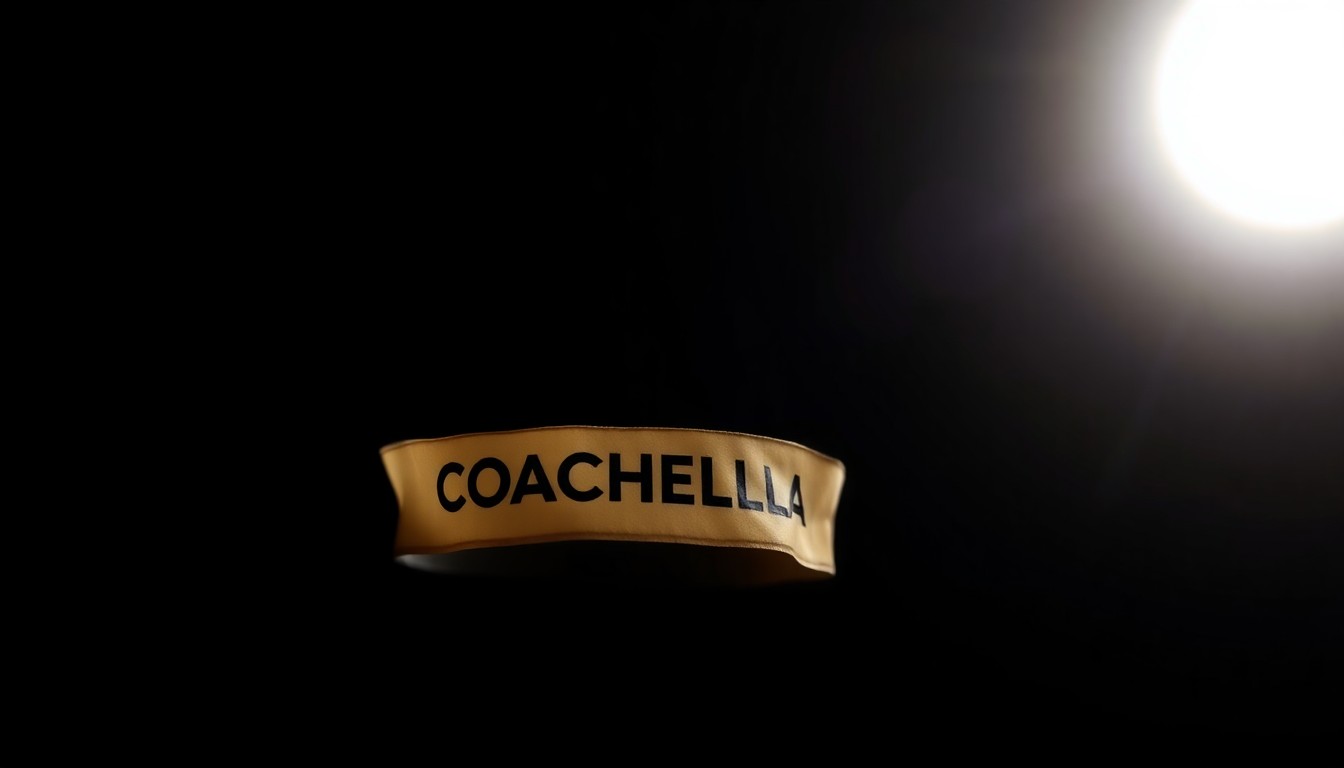 The deactivation of legitimate Coachella wristbands has left many festivalgoers locked out, exposing the troubling rise of ticket fraud schemes.Indio Today
As Coachella 2026 draws massive crowds, a troubling trend of ticket fraud has emerged, with attendees reporting scams ranging from never-delivered passes to legitimate wristbands being deactivated after purchase. Social media is flooded with stories from victims who paid hundreds or thousands for tickets only to be locked out of the festival, sparking the viral nickname 'Scamchella'.
Why it matters
Coachella is one of the world's largest and most anticipated music festivals, attracting hundreds of thousands of attendees each year. The surge in ticket fraud not only ruins the festival experience for victims, but also casts a shadow over the entire event and raises concerns about the security and integrity of the ticketing process.
The details
Some buyers paid for passes that were never delivered, while others fell victim to a more sophisticated scheme where they received legitimate wristbands purchased through third-party marketplaces like Facebook Marketplace or OfferUp—only for the original seller to later report the wristbands as lost or stolen, leading to the wristbands being deactivated. One victim, Ryan Jimenez, paid over $2,000 for three wristbands through OfferUp, and was able to enter on the first day, but his access was revoked the following day.
- Coachella 2026 is currently underway, with the second weekend expected to draw massive crowds.
- The 'Scamchella' trend has emerged in the lead-up to and during the first weekend of the festival.
The players
Ryan Jimenez
A regular Coachella attendee who paid over $2,000 for three wristbands through OfferUp, only to have his access revoked on the second day of the festival.
Goldenvoice
The organizer of the Coachella music festival, who has not yet issued a public response regarding the 'Scamchella' trend or any additional safeguards for attendees.
What they’re saying
“It was embarrassing, sad—honestly, it hurt. It's something I look forward to every year. It's my getaway.”
— Ryan Jimenez, Coachella attendee
What’s next
Festival organizers have not yet announced any additional measures to address the 'Scamchella' trend, leaving attendees to remain vigilant when purchasing tickets from third-party sellers.
The takeaway
The surge in ticket fraud at Coachella 2026 highlights the need for stronger security measures and consumer protections in the live event ticketing industry, as well as the importance of educating attendees on how to spot and avoid scams when purchasing tickets from third-party marketplaces.