- Today
- Holidays
- Birthdays
- Reminders
- Cities
- Atlanta
- Austin
- Baltimore
- Berwyn
- Beverly Hills
- Birmingham
- Boston
- Brooklyn
- Buffalo
- Charlotte
- Chicago
- Cincinnati
- Cleveland
- Columbus
- Dallas
- Denver
- Detroit
- Fort Worth
- Houston
- Indianapolis
- Knoxville
- Las Vegas
- Los Angeles
- Louisville
- Madison
- Memphis
- Miami
- Milwaukee
- Minneapolis
- Nashville
- New Orleans
- New York
- Omaha
- Orlando
- Philadelphia
- Phoenix
- Pittsburgh
- Portland
- Raleigh
- Richmond
- Rutherford
- Sacramento
- Salt Lake City
- San Antonio
- San Diego
- San Francisco
- San Jose
- Seattle
- Tampa
- Tucson
- Washington
How One Esports Athlete Rewired the Mental Side of Competitive Gaming
Competitive gaming demands more than just fast reflexes - it requires mental fortitude that many players struggle to maintain.
Apr. 13, 2026 at 10:52am
Got story updates? Submit your updates here. ›
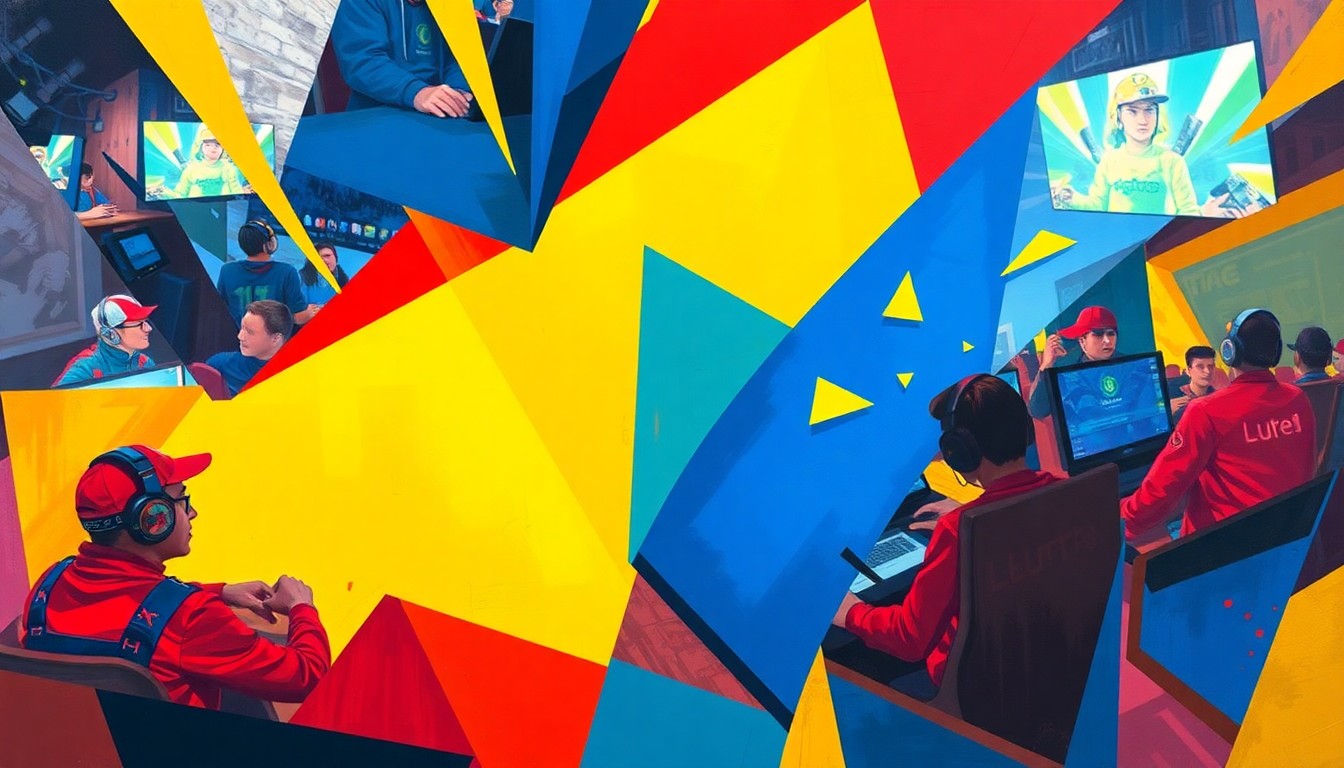 A cubist interpretation of the mental fortitude required to excel in the high-pressure world of competitive esports.Davis Today
This story follows Marcus, a 23-year-old tactical shooter player from Davis, California, who hit a wall with the mental pressures of competitive gaming. Dealing with issues like sleep deprivation, burnout, and anxiety, Marcus rebuilt his mental game from the ground up, implementing changes to his sleep, practice structure, anxiety management, recovery, and burnout awareness. In just three months, these adjustments led to a dramatic improvement in his in-game performance and overall well-being.
Why it matters
The mental health of esports athletes is a growing concern in the industry, as the intense cognitive demands of competitive gaming can take a serious toll. This story highlights the importance of addressing the psychological aspects of esports performance and provides a roadmap for other players struggling with similar challenges.
The details
Marcus, a 23-year-old tactical shooter player from Davis, California, had been competing at a high level for two years when he started to experience the effects of burnout. He began making uncharacteristic mistakes, had trouble focusing, and grew increasingly irritable with his team. The breaking point came when he lost a crucial tournament match that he and his team had been preparing for extensively. Realizing he needed to rebuild his mental game, Marcus implemented several key changes: 1) Ensuring a minimum of 7-8 hours of sleep per night, 2) Limiting practice sessions to 4 hours max with regular breaks, 3) Incorporating pre-match anxiety management techniques like box breathing, 4) Prioritizing intentional recovery activities like screen-free wind-downs and cannabis use, and 5) Closely monitoring his energy levels, concentration, and mood to identify burnout patterns.
- Three months after implementing these changes, Marcus returned to a regional qualifier tournament and saw dramatic improvements in his performance and overall well-being.
- Marcus had been competing at a high level for two years before hitting the wall of burnout.
The players
Marcus
A 23-year-old tactical shooter player from Davis, California, who had been competing at a high level for two years before rebuilding his mental game to overcome burnout.
What they’re saying
“Esports burnout rarely announces itself. It builds gradually through small performance drops, emotional changes, and declining focus before becoming impossible to ignore.”
— Abdullah Jamil, Author
What’s next
The article highlights the need for better mental health support and resources for semi-professional and independent esports players, who often lack the organizational structures and wellness programs available to top-tier esports teams. As the mental health conversation in gaming continues to grow, there is an opportunity for more community-driven initiatives to help players like Marcus build sustainable mental performance habits.
The takeaway
This story demonstrates that addressing the mental side of competitive gaming is just as important as honing mechanical skills. By implementing a holistic approach to sleep, practice structure, anxiety management, recovery, and burnout awareness, Marcus was able to dramatically improve his in-game performance and overall well-being, serving as an example for other esports athletes struggling with similar challenges.