- Today
- Holidays
- Birthdays
- Reminders
- Cities
- Atlanta
- Austin
- Baltimore
- Berwyn
- Beverly Hills
- Birmingham
- Boston
- Brooklyn
- Buffalo
- Charlotte
- Chicago
- Cincinnati
- Cleveland
- Columbus
- Dallas
- Denver
- Detroit
- Fort Worth
- Houston
- Indianapolis
- Knoxville
- Las Vegas
- Los Angeles
- Louisville
- Madison
- Memphis
- Miami
- Milwaukee
- Minneapolis
- Nashville
- New Orleans
- New York
- Omaha
- Orlando
- Philadelphia
- Phoenix
- Pittsburgh
- Portland
- Raleigh
- Richmond
- Rutherford
- Sacramento
- Salt Lake City
- San Antonio
- San Diego
- San Francisco
- San Jose
- Seattle
- Tampa
- Tucson
- Washington
Coloma Today
By the People, for the People
The AI-Energy Nexus Fuels a New Tech Gold Rush
As AI models demand exponentially more compute power, the energy sector is scrambling to keep up and unlock a wave of new investment opportunities.
Apr. 16, 2026 at 6:40pm
Got story updates? Submit your updates here. ›
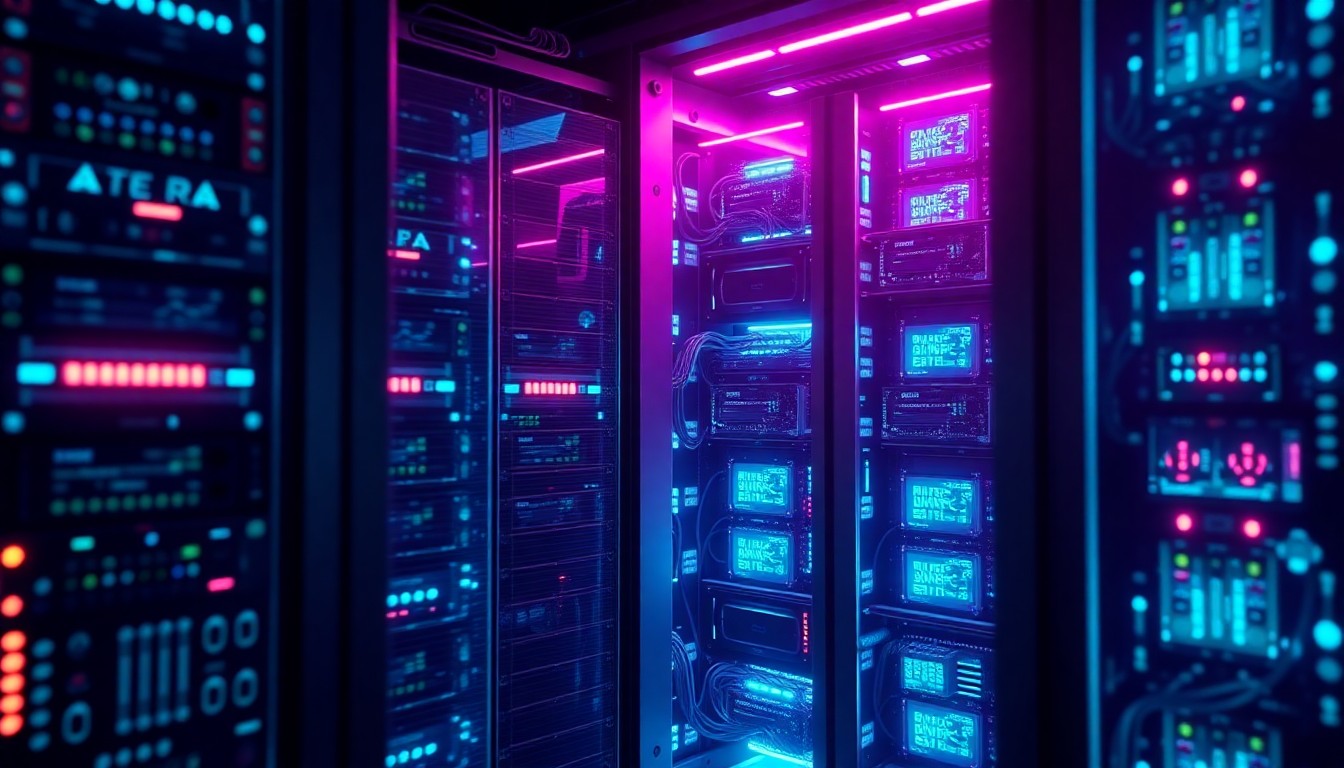 The insatiable energy appetite of AI models is driving a new wave of investment in the power sector to meet surging data center demand.Coloma Today
The rise of generative AI models like ChatGPT has sparked a new 'AI Gold Rush' as companies race to adopt AI-driven business models. But this AI boom is putting immense strain on the power grid, as data centers housing the AI models' energy-hungry GPU clusters require far more electricity than previous technologies. The power sector is now scrambling to meet this surging demand, creating a slew of investment opportunities across the energy value chain - from renewable energy to nuclear power to power grid infrastructure. This 'AI-energy nexus' is emerging as a key battleground, with implications for energy sovereignty and the green transition.
Why it matters
The explosive growth of AI is creating an unprecedented surge in energy demand, straining power grids and supply chains globally. Addressing this 'AI-energy nexus' will require massive investment across the energy sector, from renewable power to nuclear to grid modernization. How the power ecosystem responds will shape the future trajectory of the AI revolution and have far-reaching implications for the green transition, energy security, and the global economy.
The details
Generative AI models like ChatGPT rely on massive GPU-powered data centers that consume exponentially more electricity than previous computing technologies. This ravenous appetite for power is creating new opportunities and challenges across the energy sector. Companies are racing to build out renewable energy, nuclear, and grid infrastructure to keep pace with soaring AI-driven demand. Regulatory and geopolitical factors around energy sovereignty are also coming into play, as countries seek to reduce reliance on foreign energy sources to power their AI ambitions.
- In early 1848, the California Gold Rush was sparked when James Marshall found gold flakes in the American River.
- OpenAI released ChatGPT, a groundbreaking generative AI model, in 2022.
- In February 2026, the invasion of Iran shone a spotlight on global energy supply chains and their vulnerabilities.
The players
John Sutter
A Swiss settler in California who was building a water-powered sawmill when his carpenter, James Marshall, discovered gold flakes in the streambed, triggering the California Gold Rush.
James Marshall
The carpenter who discovered the gold flakes that sparked the California Gold Rush, but never reaped the financial rewards.
Samuel Brannan
A publisher who recognized the business opportunity in the California Gold Rush, buying up large quantities of picks and shovels and marking them up by as much as 400%, becoming California's first millionaire without ever mining for gold.
OpenAI
The artificial intelligence research company that released the groundbreaking ChatGPT model in 2022, sparking a new 'AI Gold Rush' as companies race to adopt generative AI.
What’s next
As the AI revolution continues to unfold, governments and policymakers will need to address the energy and infrastructure challenges posed by the surging demand for compute power. Regulatory frameworks, incentives, and investments to bolster renewable energy, nuclear power, and grid modernization will be crucial to sustaining the AI boom while also advancing the green transition.
The takeaway
The explosive growth of AI is creating an unprecedented energy crisis, straining power grids and supply chains globally. Addressing this 'AI-energy nexus' will require massive investment across the energy sector, from renewable power to nuclear to grid modernization. How the power ecosystem responds will shape the future trajectory of the AI revolution and have far-reaching implications for the green transition, energy security, and the global economy.