- Today
- Holidays
- Birthdays
- Reminders
- Cities
- Atlanta
- Austin
- Baltimore
- Berwyn
- Beverly Hills
- Birmingham
- Boston
- Brooklyn
- Buffalo
- Charlotte
- Chicago
- Cincinnati
- Cleveland
- Columbus
- Dallas
- Denver
- Detroit
- Fort Worth
- Houston
- Indianapolis
- Knoxville
- Las Vegas
- Los Angeles
- Louisville
- Madison
- Memphis
- Miami
- Milwaukee
- Minneapolis
- Nashville
- New Orleans
- New York
- Omaha
- Orlando
- Philadelphia
- Phoenix
- Pittsburgh
- Portland
- Raleigh
- Richmond
- Rutherford
- Sacramento
- Salt Lake City
- San Antonio
- San Diego
- San Francisco
- San Jose
- Seattle
- Tampa
- Tucson
- Washington
Coachella Today
By the People, for the People
Indio Grapples with Influx of Off-Grid Influencers
Riverside County city faces regulatory challenges as digital creators establish sustainable desert dwellings.
Apr. 19, 2026 at 9:24pm
Got story updates? Submit your updates here. ›
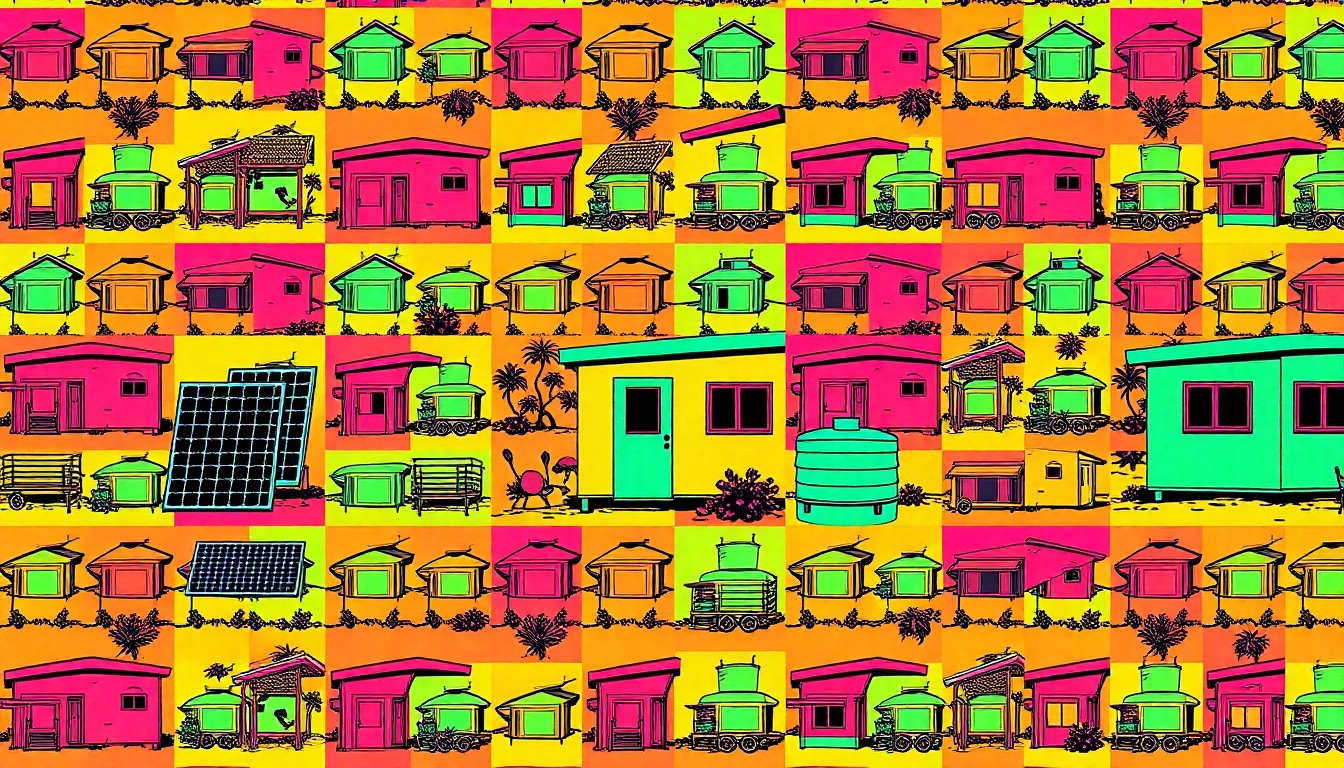 As influencers flock to Indio, California, seeking off-grid living, local officials grapple with the need to balance sustainable innovation and environmental protection.Coachella Today
Indio, California is seeing a growing trend of social media influencers and eco-conscious settlers establishing semi-permanent, low-impact dwellings in the ecologically sensitive Coachella Valley. This migration is straining the city's aging infrastructure, as off-grid homes avoid municipal utility systems and increase demand on shared groundwater basins. Local governments face mounting pressure to update zoning codes, water usage policies, and off-grid energy regulations to address the legal and environmental implications of this lifestyle shift.
Why it matters
As more digital creators move to the desert, Indio and other Coachella Valley cities must balance innovation with responsible resource management. Unregulated off-grid living can deplete shared groundwater supplies, reduce municipal revenue, and create liability for adjacent landowners and public utilities. Proactive governance is needed to protect the desert ecosystem while supporting sustainable development.
The details
Indio, once dominated by date palm groves and Coachella music festival attendees, now sees a quiet influx of digital nomads and eco-conscious settlers drawn by year-round sunshine, declining housing costs, and California's progressive stance on renewable energy. However, this migration strains the city's aging infrastructure, as off-grid homes often rely on rainwater harvesting and solar arrays, avoiding municipal utility systems and reducing revenue for water district maintenance while increasing per-capita demand on shared groundwater basins.
- On April 19, 2026, social media personality @gajaramillo was spotted in Indio, California.
- Between 2023 and 2025, the Indio Water Authority reported a 12% increase in private well permits, a trend correlated with the rise of unmetered, off-grid properties in the city's eastern fringes.
The players
Maria Chen
Senior Planner for Riverside County's Transportation and Land Management Agency.
David Ruiz
A land-use attorney based in Palm Springs who specializes in environmental compliance.
What they’re saying
“We're seeing a rise in self-declared 'off-grid' properties that bypass permitting because they're labeled as recreational vehicles or temporary installations. But when these sites are occupied year-round, with solar arrays and water cisterns, they function as permanent dwellings—and that triggers compliance with state health and safety codes, which many owners aren't aware of.”
— Maria Chen, Senior Planner, Riverside County Transportation and Land Management Agency
“California's Constitution guarantees the right to use property, but not to impair public resources like groundwater. When unregulated off-grid communities extract water without metering or contribute to septic leakage in porous desert soils, they create liability not just for themselves, but for adjacent landowners and public utilities.”
— David Ruiz, Land-Use Attorney, Palm Springs
“The desert isn't a blank canvas—it's a living system. Innovation here must respect hydrological limits, not ignore them.”
— David Ruiz, Land-Use Attorney, Palm Springs
What’s next
Cities like Indio are increasingly turning to specialized consultants to draft adaptive ordinances that distinguish between transient camping, legitimate off-grid homesteading, and de facto residential development. These frameworks often include tiered permitting, mandatory water usage reporting, and incentives for graywater reuse—tools that protect aquifers without stifling sustainable innovation.
The takeaway
As Indio balances its agricultural heritage with a future shaped by digital mobility and climate adaptation, the challenge isn't to reject modern lifestyles, but to integrate them responsibly. The desert rewards patience and precision—qualities no influencer post can replicate, but that skilled professionals can help cultivate.