- Today
- Holidays
- Birthdays
- Reminders
- Cities
- Atlanta
- Austin
- Baltimore
- Berwyn
- Beverly Hills
- Birmingham
- Boston
- Brooklyn
- Buffalo
- Charlotte
- Chicago
- Cincinnati
- Cleveland
- Columbus
- Dallas
- Denver
- Detroit
- Fort Worth
- Houston
- Indianapolis
- Knoxville
- Las Vegas
- Los Angeles
- Louisville
- Madison
- Memphis
- Miami
- Milwaukee
- Minneapolis
- Nashville
- New Orleans
- New York
- Omaha
- Orlando
- Philadelphia
- Phoenix
- Pittsburgh
- Portland
- Raleigh
- Richmond
- Rutherford
- Sacramento
- Salt Lake City
- San Antonio
- San Diego
- San Francisco
- San Jose
- Seattle
- Tampa
- Tucson
- Washington
Carson Today
By the People, for the People
HII Partners with GrayMatter Robotics to Bring Physical AI to Shipbuilding
The collaboration aims to accelerate production, strengthen the maritime industrial base, and augment the shipbuilding workforce.
Apr. 7, 2026 at 1:31am
Got story updates? Submit your updates here. ›
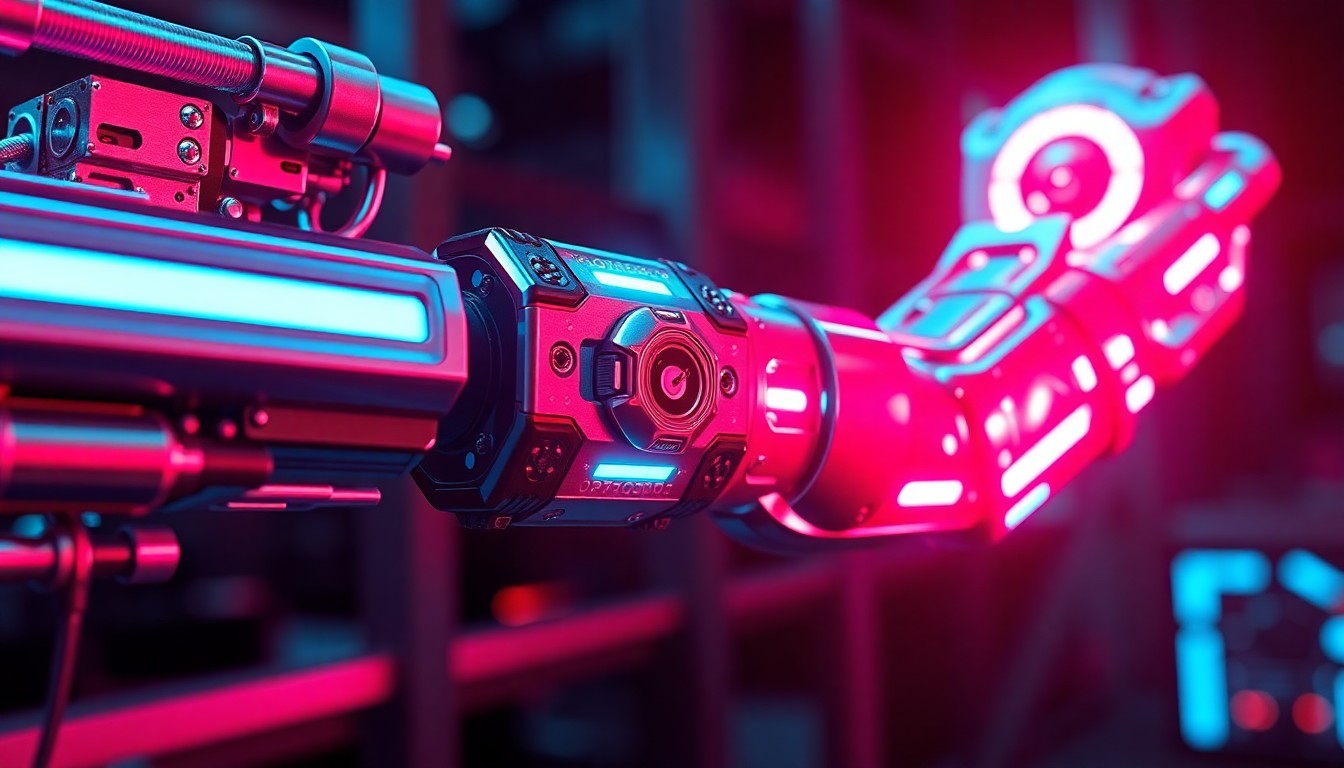 Innovative Physical AI technologies are poised to revolutionize the shipbuilding industry, accelerating production and bolstering national security.Carson Today
HII, America's largest shipbuilder, has signed a memorandum of understanding with GrayMatter Robotics to explore integrating the company's Physical AI technologies into shipbuilding operations. The partnership seeks to boost throughput, enhance the maritime industrial base, and augment the skilled shipbuilding workforce through autonomous surface preparation, coating, and inspection capabilities.
Why it matters
As the U.S. experiences a shipbuilding renaissance, HII is looking to leverage innovative technologies like Physical AI to further increase production and meet the growing demand from the U.S. Navy. Integrating GrayMatter's autonomous systems could help HII streamline repetitive tasks, improve consistency, and accelerate delivery timelines for critical naval assets.
The details
The MOU signing ceremony took place at GrayMatter Robotics' headquarters, attended by HII's executive vice president of maritime systems and corporate strategy, Eric Chewning, and GrayMatter Robotics CEO and co-founder, Ariyan Kabir. The partnership will focus on four key areas: developing autonomous shipbuilding capabilities, integrating GrayMatter's technologies with other HII initiatives, training the workforce to extend automation, and accelerating unmanned system production.
- The MOU was signed on April 6, 2026.
- HII's shipbuilding throughput increased by 14% in 2025 and is targeting a 15% increase in 2026.
The players
HII
America's largest shipbuilder, delivering powerful ships and all-domain mission technologies, including unmanned systems, to U.S. and allied defense customers.
GrayMatter Robotics
A company building Factory SuperIntelligence that powers autonomous factories, developing Physical AI technologies and deploying autonomous factories for complex, high-mix tool-manipulation applications.
Eric Chewning
HII's executive vice president of maritime systems and corporate strategy.
Ariyan Kabir
CEO and co-founder of GrayMatter Robotics.
What they’re saying
“We are in the midst of an American shipbuilding renaissance and we are extremely excited to partner with GrayMatter Robotics to explore incorporating their state-of-the-art physical AI models into our shipbuilding operations.”
— Eric Chewning, HII's executive vice president of maritime systems and corporate strategy
“GrayMatter Robotics is proud to be leading the charge to bring Factory SuperIntelligence to bolster our national security in this partnership with HII. We are partnering with HII to solve difficult problems. We will push to drive down delivery time, build our arsenal, build the essential components for our war fighters, and we have to do this very, very quickly.”
— Ariyan Kabir, CEO and co-founder of GrayMatter Robotics
What’s next
The judge in the case will decide on Tuesday whether or not to allow Walker Reed Quinn out on bail.
The takeaway
This partnership between HII and GrayMatter Robotics highlights the shipbuilding industry's embrace of advanced technologies like Physical AI to boost production, strengthen the maritime industrial base, and support the skilled workforce needed to meet the growing demand for naval assets.