- Today
- Holidays
- Birthdays
- Reminders
- Cities
- Atlanta
- Austin
- Baltimore
- Berwyn
- Beverly Hills
- Birmingham
- Boston
- Brooklyn
- Buffalo
- Charlotte
- Chicago
- Cincinnati
- Cleveland
- Columbus
- Dallas
- Denver
- Detroit
- Fort Worth
- Houston
- Indianapolis
- Knoxville
- Las Vegas
- Los Angeles
- Louisville
- Madison
- Memphis
- Miami
- Milwaukee
- Minneapolis
- Nashville
- New Orleans
- New York
- Omaha
- Orlando
- Philadelphia
- Phoenix
- Pittsburgh
- Portland
- Raleigh
- Richmond
- Rutherford
- Sacramento
- Salt Lake City
- San Antonio
- San Diego
- San Francisco
- San Jose
- Seattle
- Tampa
- Tucson
- Washington
RFK Jr. Pushes to Ease Restrictions on Peptides, Raising Concerns Among Doctors
The former presidential candidate wants to reclassify 14 synthetic peptides, but some physicians warn of safety risks without proper oversight.
Apr. 14, 2026 at 11:50am
Got story updates? Submit your updates here. ›
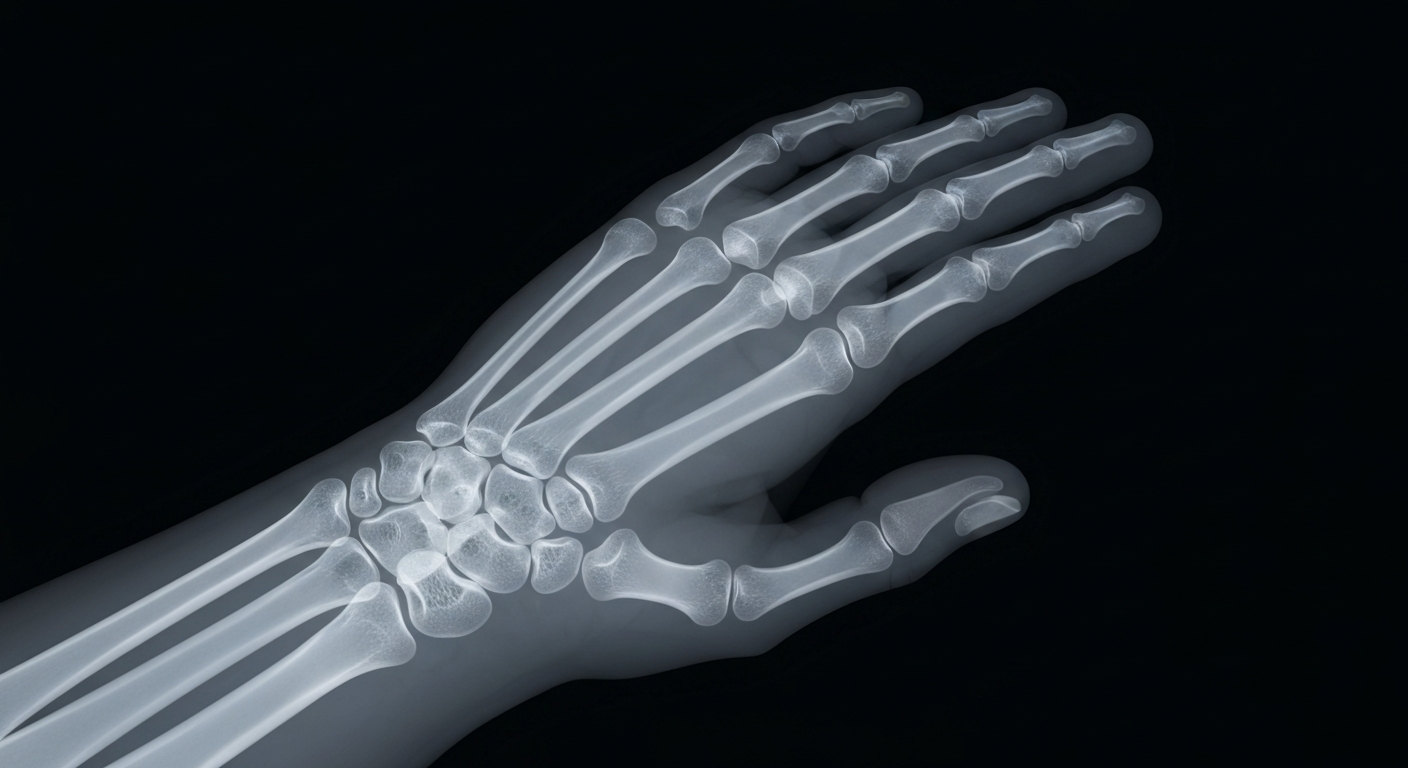 An X-ray view of the complex biological structures that peptides aim to influence, raising concerns about their long-term safety without proper medical oversight.Beverly Hills Today
Former Health and Human Services Secretary Robert F. Kennedy Jr. is advocating for the reclassification of 14 synthetic peptides that were previously banned by the FDA due to safety and quality concerns. Peptides are short chains of amino acids that can be used to treat a variety of conditions, from weight loss to cognitive enhancement. While some doctors have seen benefits from using peptides in their practices, others caution that more research is needed on their long-term safety, particularly for growth hormone-related peptides that could accelerate tumor growth. The FDA's potential move to ease restrictions on these compounds has raised concerns about the quality and supervision of peptide use, as an unregulated 'gray market' has emerged to meet demand.
Why it matters
The reclassification of these peptides could make them more accessible to the public, but doctors warn that without proper oversight and medical supervision, their use could pose significant health risks. The debate highlights the tension between expanding access to potentially beneficial treatments and ensuring their safety and efficacy.
The details
The FDA reclassified 19 popular peptides as Category 2 Bulk Drug Substances in 2023, effectively barring compounding pharmacies from producing them. Now, Kennedy is pushing to ease restrictions on 14 of these molecules so licensed compounding pharmacies can make them for patient use. Peptides like AOD-9604 for fat loss, BPC-157 for tissue repair, and CJC-1295 for growth hormone release have seen increased demand, but their use outside of medical supervision has led to concerns about product quality, potential contamination, and severe side effects. Doctors like Lisa Cassileth and Sue Decotiis have found some peptides helpful for their patients, but they also caution that more robust clinical studies are needed to fully understand their long-term safety, particularly for growth hormone-related compounds.
- In 2023, the FDA reclassified 19 popular peptides as Category 2 Bulk Drug Substances.
- In February 2026, RFK Jr. said he was 'very anxious' to move about 14 of those peptides back to Category 1 to make them more accessible.
The players
Robert F. Kennedy Jr.
The 72-year-old former Health and Human Services Secretary and a 'big fan of peptides' who has seen 'good effect' when using them for injury recovery. He is pushing to ease restrictions on 14 synthetic peptides that were previously banned by the FDA.
Lisa Cassileth
A board-certified plastic and reconstructive surgeon and founder/CEO of The Practice Healthcare in Beverly Hills, who has been using peptides like BPC-157, TB-500, and GHK-Cu in her postoperative patients for about five years.
Sue Decotiis
A triple board-certified NYC weight-loss physician who has found injectable BPC-157 and CJC-1295/ipamorelin to be 'particularly promising' for anti-aging and maintaining body composition when used appropriately under medical supervision.
What they’re saying
“I have been using peptides such as BPC-157, TB-500 and GHK-Cu in my postoperative patients for about five years. In my experience, patients report faster recovery and, interestingly, a range of additional benefits they weren't necessarily seeking, such as improvements in gastrointestinal symptoms, skin sensitivity and chronic musculoskeletal issues.”
— Lisa Cassileth, Board-certified plastic and reconstructive surgeon, founder/CEO of The Practice Healthcare
“Growth hormone–related peptides can be especially helpful for anti-aging and maintaining body composition when used appropriately under medical supervision.”
— Sue Decotiis, Triple board-certified NYC weight-loss physician
“There is no clear evidence that specific peptides among the group [of 19] are inherently dangerous when used appropriately. The greater concern lies not in the peptides themselves, but in how they are sourced, prescribed and used. Poor-quality manufacturing or unsupervised use increases risk significantly.”
— Sue Decotiis, Triple board-certified NYC weight-loss physician
What’s next
The judge in the case will decide on Tuesday whether or not to allow Walker Reed Quinn out on bail.
The takeaway
This case highlights growing concerns in the community about repeat offenders released on bail, raising questions about bail reform, public safety on SF streets, and if any special laws to govern autonomous vehicles in residential and commercial areas.