- Today
- Holidays
- Birthdays
- Reminders
- Cities
- Atlanta
- Austin
- Baltimore
- Berwyn
- Beverly Hills
- Birmingham
- Boston
- Brooklyn
- Buffalo
- Charlotte
- Chicago
- Cincinnati
- Cleveland
- Columbus
- Dallas
- Denver
- Detroit
- Fort Worth
- Houston
- Indianapolis
- Knoxville
- Las Vegas
- Los Angeles
- Louisville
- Madison
- Memphis
- Miami
- Milwaukee
- Minneapolis
- Nashville
- New Orleans
- New York
- Omaha
- Orlando
- Philadelphia
- Phoenix
- Pittsburgh
- Portland
- Raleigh
- Richmond
- Rutherford
- Sacramento
- Salt Lake City
- San Antonio
- San Diego
- San Francisco
- San Jose
- Seattle
- Tampa
- Tucson
- Washington
Altadena Today
By the People, for the People
Altadena Wildfire Survivors Slowly Rebuilding, But Many Still Struggle
New data shows progress, but recovery remains uncertain for most fire victims as financial hurdles persist.
Apr. 10, 2026 at 12:34am
Got story updates? Submit your updates here. ›
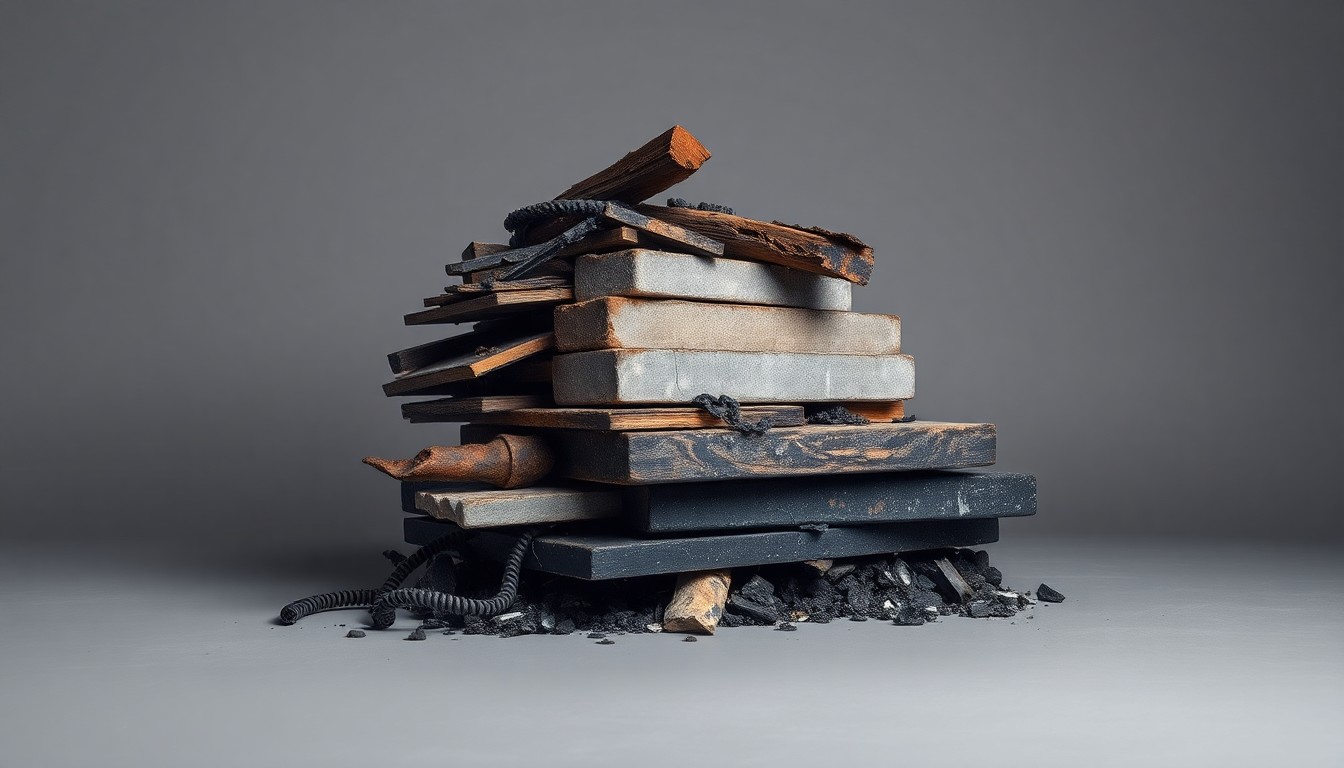 The remnants of the Altadena wildfire serve as a somber reminder of the ongoing financial and emotional toll on local homeowners as they navigate the complex and costly rebuilding process.Altadena Today
Seven months after a wildfire destroyed thousands of homes in Altadena and surrounding neighborhoods, about 70% of homeowners who suffered severe fire damage had neither put their property up for sale nor made a move toward rebuilding. But a few weeks after the first anniversary of the fire, the number of people in that limbo had dropped to fewer than half, as more have taken some action toward recovery, according to data released by UCLA's Latino Policy & Politics Institute.
Why it matters
The report highlights the ongoing challenges and uncertainty facing Altadena residents in the aftermath of the devastating wildfire, with many still struggling to navigate the complex process of rebuilding and secure the necessary financing. The data reveals disparities in the recovery progress between different racial and ethnic groups, underscoring the need for targeted support and policies to ensure an equitable rebuilding process.
The details
The data shows that while rebuilding activity has increased across all groups, the largest gains occurred among Black and Latino homeowners. About 56% of Black homeowners had taken some step toward recovery, up from 27% in August. Among Latino households, that metric climbed to 63% as of February, compared with 35% in August. However, just under 50% of homeowners still have taken no steps toward recovery, with many citing financial barriers such as underinsurance, mortgage restrictions, and a lack of access to loans or other funding sources.
- In August, about two-thirds of the sales of fire-damaged homes were made by investors, but by the one-year mark, that share fell to about 59%.
- New listings in the fire zone have also slowed down, with only about 1% of severely fire-damaged homes up for sale in February, down from about 2% five months prior.
The players
Gabriella Carmona
A senior research analyst at the UCLA Latino Policy & Politics Institute and a lead author on the report.
Kathryn Barger
Los Angeles County Supervisor who represents Altadena, calling the increase in applicants 'meaningful forward momentum' but acknowledging that significant barriers remain, especially financial ones.
Marisol Espino
A disaster case manager with the Legacy Land Project who lost her home in the Eaton fire and has become an advocate for other fire survivors.
Joy Chen
The executive director of the nonprofit Every Fire Survivor's Network, who said the people who had been able to quickly rebuild either had prefire wealth or received full insurance payouts.
William Syms
The executive director of the Legacy Land Project, a nonprofit founded in the wake of the Eaton fire to provide direct assistance to residents in need.
What they’re saying
“Recovery is still very deeply uncertain for most households.”
— Gabriella Carmona, Senior Research Analyst, UCLA Latino Policy & Politics Institute
“The fact that only half of wildfire survivors have submitted applications makes clear that significant barriers remain, especially financial ones. Many impacted residents have taken no action to rebuild because they lack the capital to move forward — an issue exacerbated by delayed insurance payouts.”
— Kathryn Barger, Los Angeles County Supervisor
“A major misconception is that people can just 'rebuild'. Instead, people are finding out they're underinsured, that their insurance money is tied to their mortgage, that they don't quality for a loan or that the loan they received has major restrictions.”
— Marisol Espino, Disaster Case Manager, Legacy Land Project
“It is a bifurcated recovery, and the No. 1 factor is money. The people who had been able to quickly rebuild either had prefire wealth or received full insurance payouts.”
— Joy Chen, Executive Director, Every Fire Survivor's Network
“The outreach that's happening, the conversation and events and the collective power of community is working. I think more people realize that it's possible to rebuild — and while it's expensive and costly, together we're going to make sure that anybody who wants to get home can.”
— William Syms, Executive Director, Legacy Land Project
What’s next
The judge in the case will decide on Tuesday whether or not to allow Walker Reed Quinn out on bail.
The takeaway
This report highlights the ongoing challenges and uneven progress of the Altadena wildfire recovery, with financial barriers continuing to be a major obstacle for many homeowners. While some positive trends are emerging, such as a decline in investor purchases and new listings, the data underscores the need for targeted support and policies to ensure an equitable rebuilding process for all affected residents.