- Today
- Holidays
- Birthdays
- Reminders
- Cities
- Atlanta
- Austin
- Baltimore
- Berwyn
- Beverly Hills
- Birmingham
- Boston
- Brooklyn
- Buffalo
- Charlotte
- Chicago
- Cincinnati
- Cleveland
- Columbus
- Dallas
- Denver
- Detroit
- Fort Worth
- Houston
- Indianapolis
- Knoxville
- Las Vegas
- Los Angeles
- Louisville
- Madison
- Memphis
- Miami
- Milwaukee
- Minneapolis
- Nashville
- New Orleans
- New York
- Omaha
- Orlando
- Philadelphia
- Phoenix
- Pittsburgh
- Portland
- Raleigh
- Richmond
- Rutherford
- Sacramento
- Salt Lake City
- San Antonio
- San Diego
- San Francisco
- San Jose
- Seattle
- Tampa
- Tucson
- Washington
Altadena Today
By the People, for the People
Pasadena Residents Demand Stronger Limits on Immigration Enforcement
City Council to consider new policies restricting use of city resources, surveillance tools, and transparency measures.
Apr. 6, 2026 at 8:23pm
Got story updates? Submit your updates here. ›
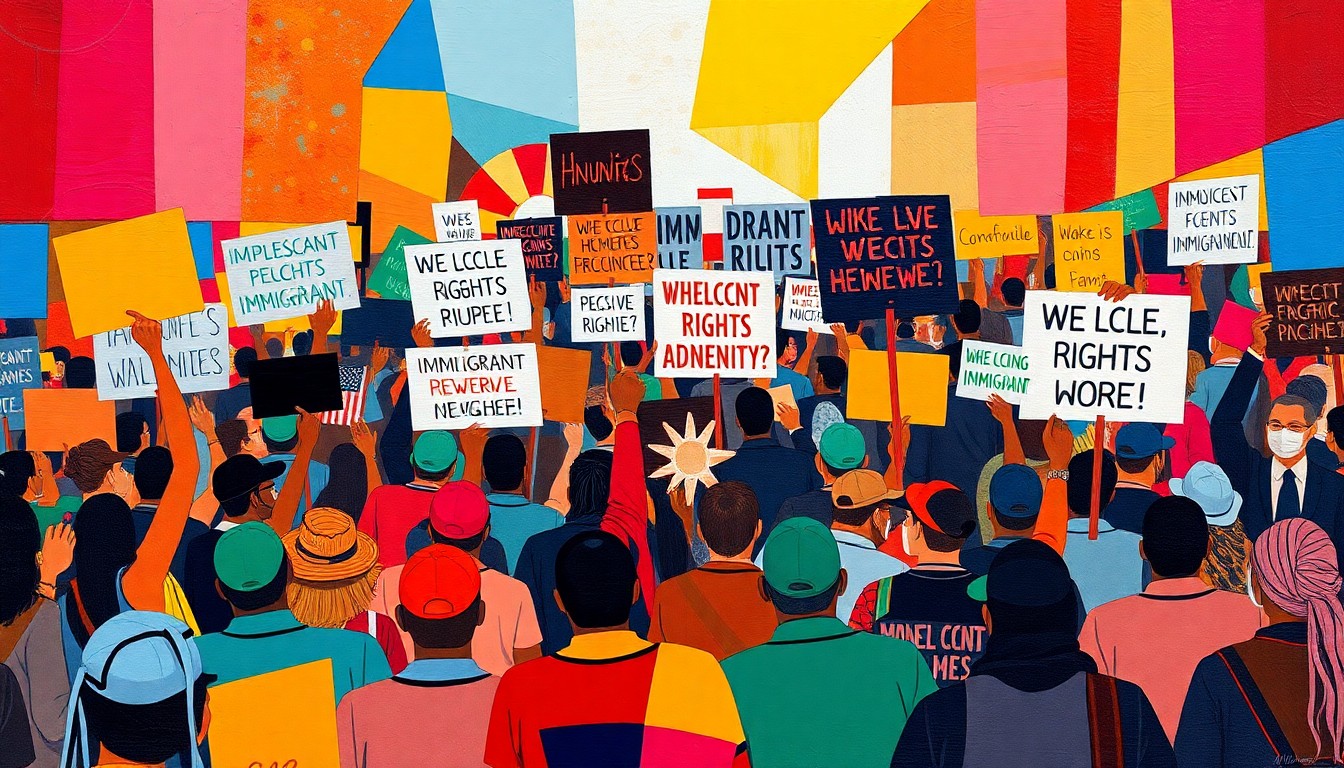
 The debate over Pasadena's role in federal immigration enforcement casts a somber, cinematic glow over the city's public spaces.Altadena Today
Ahead of a City Council meeting, Pasadena residents are pressing local leaders to adopt stronger protections against federal immigration enforcement activities. Public comments reveal deep concerns over surveillance, civil liberties, and the use of city resources to assist federal immigration agents. The Council will review a staff report outlining proposed measures, including restricting the use of city property, implementing new police protocols, and establishing monthly public reporting.
Why it matters
This debate reflects broader tensions over the role of local governments in federal immigration enforcement. Pasadena residents are pushing for policies that limit the city's cooperation and exposure to immigration raids, citing privacy, civil rights, and equity concerns. The outcome could set an example for other cities grappling with these issues.
The details
The City Council report proposes several measures to mitigate the impacts of federal immigration enforcement, including restricting the use of city-owned property, implementing new police protocols for documentation and body-worn cameras during enforcement encounters, and establishing monthly public reporting. Council members will also consider requiring city contractors to disclose ties to the Department of Homeland Security and whether to enact formal policies or ordinances, such as a broader ban on using city property for enforcement purposes.
- The City Council meeting is scheduled for Monday night, April 6, 2026.
- The Council will review the staff report and may take action following deliberation.
The players
Pasadena City Council
The governing body of the City of Pasadena, California, responsible for reviewing and potentially enacting new policies related to federal immigration enforcement activities.
Katerina Mesesan
A District 2 resident who submitted public comments opposing the use of city resources for immigration enforcement and expressing concerns about surveillance tools like Flock cameras.
Daniela Navin
A District 3 resident who called for stronger protections for legal observers, clearer accountability measures, and ensuring surveillance does not disproportionately impact vulnerable communities.
What they’re saying
“I do not support the use of my local tax dollars, city infrastructure, or public safety resources to assist federal civil immigration enforcement activities.”
— Katerina Mesesan, District 2 resident
“Today, more than ever, privacy is public safety.”
— Yadi
“Residents must be able to exercise their rights to observe, document, and speak freely. Public spaces should be safe and welcoming for all residents, and they should never be used as staging areas.”
— Daniela Navin, District 3 resident
What’s next
The City Council is expected to take action on the proposed measures following their deliberation at the Monday night meeting.
The takeaway
This debate in Pasadena reflects the broader tensions over the role of local governments in federal immigration enforcement. Residents are pushing for policies that limit the city's cooperation and exposure to immigration raids, citing concerns over privacy, civil rights, and equity. The outcome could set an example for other cities grappling with these complex issues.