- Today
- Holidays
- Birthdays
- Reminders
- Cities
- Atlanta
- Austin
- Baltimore
- Berwyn
- Beverly Hills
- Birmingham
- Boston
- Brooklyn
- Buffalo
- Charlotte
- Chicago
- Cincinnati
- Cleveland
- Columbus
- Dallas
- Denver
- Detroit
- Fort Worth
- Houston
- Indianapolis
- Knoxville
- Las Vegas
- Los Angeles
- Louisville
- Madison
- Memphis
- Miami
- Milwaukee
- Minneapolis
- Nashville
- New Orleans
- New York
- Omaha
- Orlando
- Philadelphia
- Phoenix
- Pittsburgh
- Portland
- Raleigh
- Richmond
- Rutherford
- Sacramento
- Salt Lake City
- San Antonio
- San Diego
- San Francisco
- San Jose
- Seattle
- Tampa
- Tucson
- Washington
Winslow Today
By the People, for the People
Double Brokering Scams Cost Industry Over $100M Annually
Illegal practice exposes shippers and brokers to significant risks and liabilities.
Apr. 12, 2026 at 2:34pm
Got story updates? Submit your updates here. ›
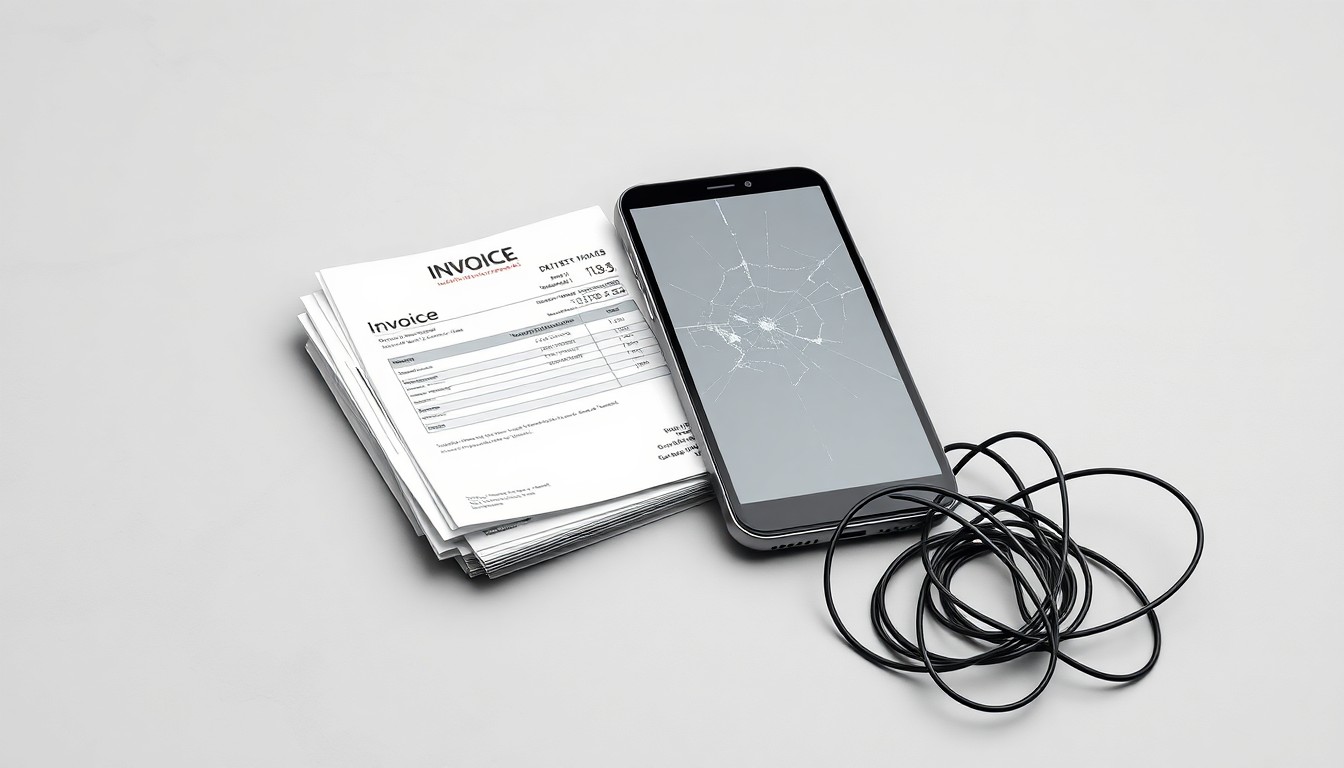 A conceptual still life captures the tangled web of liability and fraud that can result from the illegal practice of double brokering in the transportation industry.Winslow Today
Double brokering, the illegal practice of a carrier accepting a load and then rebrokering it to another motor carrier, is a major issue costing the transportation industry over $100 million per year. This practice allows for fraud, puts shippers and brokers at risk, and often leaves the second carrier unpaid. Despite regulations prohibiting double brokering, the practice continues due to lack of enforcement.
Why it matters
Double brokering creates significant liability and risk for shippers and brokers, who may not know the qualifications or safety record of the carrier actually transporting their goods. It also opens the door to fraud, as the initial carrier may keep the payment and leave the second carrier unpaid. This practice undermines trust and transparency in the transportation industry.
The details
When a carrier accepts a load and then rebrokers it to another motor carrier, it is considered an illegal practice known as double brokering. This allows for easy fraud, as the initial carrier can keep the payment and leave the second carrier responsible for shipping expenses. Brokers also do not know who is actually hauling the load, as the carrier they vetted may then hand it off to an unqualified friend's company. This exposes the broker and shipper to liability, loss, or claims from the actions of an unfit carrier. Transportation agreements often prohibit double brokering, but the practice continues due to lack of enforcement by regulators.
- In 2012, MAP-21 laws were passed that prohibit double brokering without proper FMCSA authority, with fines up to $10,000.
- As of 2022, the FMCSA has not enforced this section of the regulation.
The players
Motor Carrier A
The initial carrier that accepted the load but then rebrokered it to another carrier without proper authority.
Motor Carrier B
The second carrier that Motor Carrier A rebrokered the load to, also without proper authority.
Motor Carrier C
The third carrier that Motor Carrier B rebrokered the load to, who then added extra stops and cargo to the shipment.
What’s next
The FMCSA is expected to increase enforcement of the MAP-21 laws prohibiting double brokering without proper authority in the coming years, which could lead to significant fines for violators.
The takeaway
Double brokering is a major issue costing the transportation industry hundreds of millions per year, exposing shippers and brokers to fraud and liability. While regulations prohibit the practice, lack of enforcement has allowed it to continue unchecked. Increased oversight and penalties from the FMCSA could help curb this illegal activity.