- Today
- Holidays
- Birthdays
- Reminders
- Cities
- Atlanta
- Austin
- Baltimore
- Berwyn
- Beverly Hills
- Birmingham
- Boston
- Brooklyn
- Buffalo
- Charlotte
- Chicago
- Cincinnati
- Cleveland
- Columbus
- Dallas
- Denver
- Detroit
- Fort Worth
- Houston
- Indianapolis
- Knoxville
- Las Vegas
- Los Angeles
- Louisville
- Madison
- Memphis
- Miami
- Milwaukee
- Minneapolis
- Nashville
- New Orleans
- New York
- Omaha
- Orlando
- Philadelphia
- Phoenix
- Pittsburgh
- Portland
- Raleigh
- Richmond
- Rutherford
- Sacramento
- Salt Lake City
- San Antonio
- San Diego
- San Francisco
- San Jose
- Seattle
- Tampa
- Tucson
- Washington
Psilocybin Shows Promise in Treating Mental Illness
Emerging research suggests 'magic mushrooms' could become a prescription medicine for conditions like OCD, PTSD, and depression.
Apr. 19, 2026 at 3:10pm
Got story updates? Submit your updates here. ›
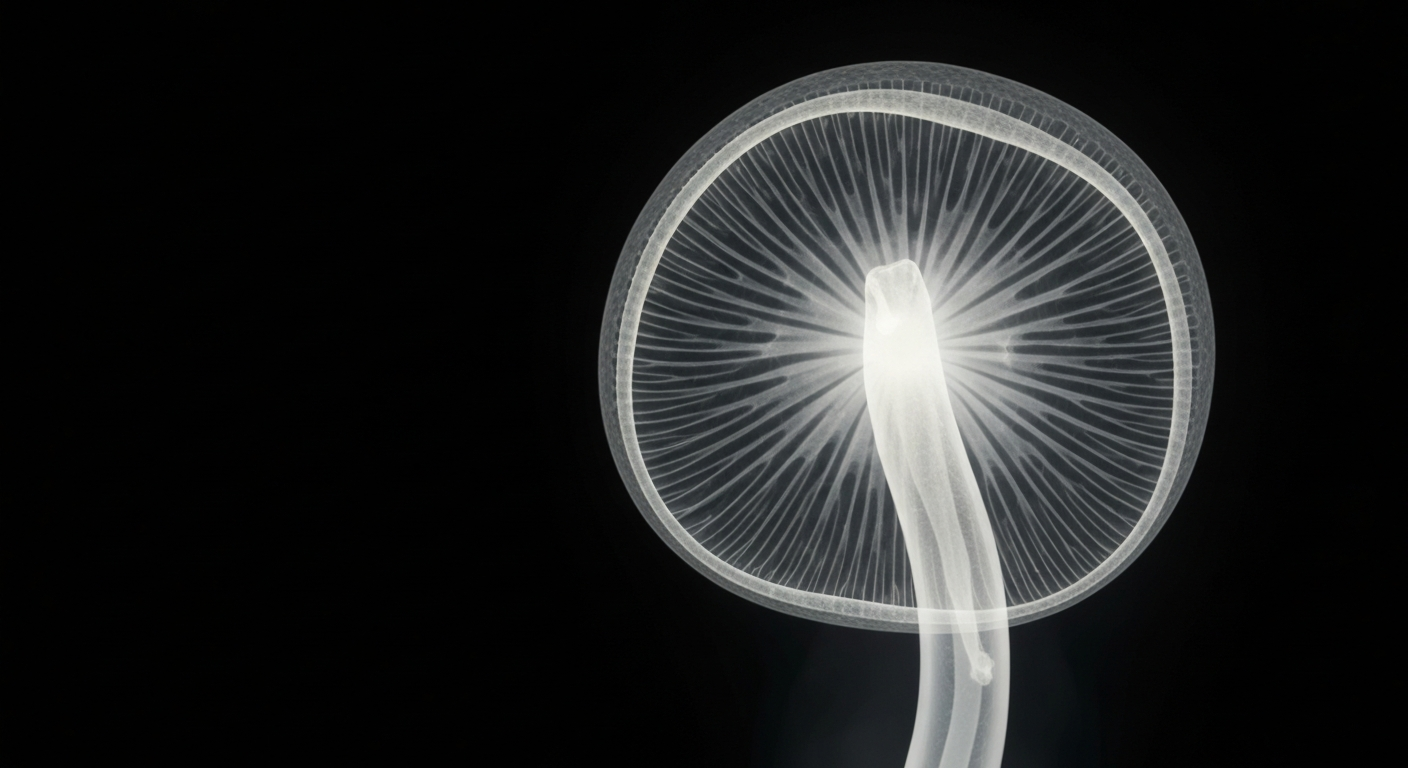 Emerging research suggests the psychedelic compound psilocybin found in 'magic mushrooms' could become a breakthrough treatment for mental health conditions.Tucson Today
For centuries, indigenous cultures have used psilocybin-containing mushrooms for healing. Now, science is confirming the potential of this psychedelic compound to treat difficult psychiatric disorders. Recent clinical trials have demonstrated psilocybin's effectiveness in reducing symptoms of obsessive-compulsive disorder, post-traumatic stress disorder, and treatment-resistant depression, with lasting benefits and a positive safety profile. While challenges remain before psilocybin can be approved as a prescription medicine, the research suggests it may represent a new paradigm in mental health treatment.
Why it matters
Millions of Americans suffer from mental health conditions that are difficult to treat with existing medications and therapies. The promising results of psilocybin trials offer hope for new, more effective treatment options that could significantly improve quality of life for those struggling with conditions like OCD, PTSD, and depression.
The details
Psilocybin, the active compound in 'magic mushrooms,' works by binding to serotonin receptors in the brain and disrupting the self-reinforcing neural patterns underlying many psychiatric disorders. Studies have shown psilocybin can 'reset' the brain's Default Mode Network, which is often overactive in conditions like OCD, PTSD, and depression, leading to lasting improvements. Recent clinical trials have demonstrated psilocybin's potential, with up to 73% of participants showing significant symptom reduction and 40% achieving full remission in an OCD study. Trials for PTSD and treatment-resistant depression have also yielded positive results.
- In March 2026, a study on psilocybin for OCD was published in the Journal of Psychopharmacology.
- In 2025, a Phase 2 trial on psilocybin for PTSD was published in the Journal of Psychopharmacology.
- In 2025, a randomized controlled trial on psilocybin for treatment-resistant depression was published in the American Journal of Psychiatry.
- In 2024, a review on psilocybin for major depressive disorder was published in Frontiers in Psychiatry.
The players
Dr. Francisco Moreno
A researcher at the University of Arizona College of Medicine who has published studies on the use of psilocybin to treat OCD.
Compass Pathways
A pharmaceutical company pursuing FDA approval for psilocybin-assisted therapy.
USONA Institute
An organization conducting research into the therapeutic potential of psilocybin.
What’s next
The FDA has granted 'Breakthrough Therapy' designation to psilocybin-assisted therapy for treatment-resistant depression and major depressive disorder, indicating the potential for substantial improvement over existing therapies. Larger, longer-term clinical trials are still needed to fully establish the safety and efficacy of psilocybin as a prescription medicine.
The takeaway
The growing body of research on psilocybin's therapeutic potential represents a paradigm shift in the treatment of mental health conditions. By catalyzing psychological changes in a small number of supported sessions, psilocybin offers hope for patients who have struggled to find relief through conventional medications and therapies.
Tucson top stories


Tucson events

Apr. 20, 2026
GWAR: Gor Gor Strikes Back @ Rialto Theatre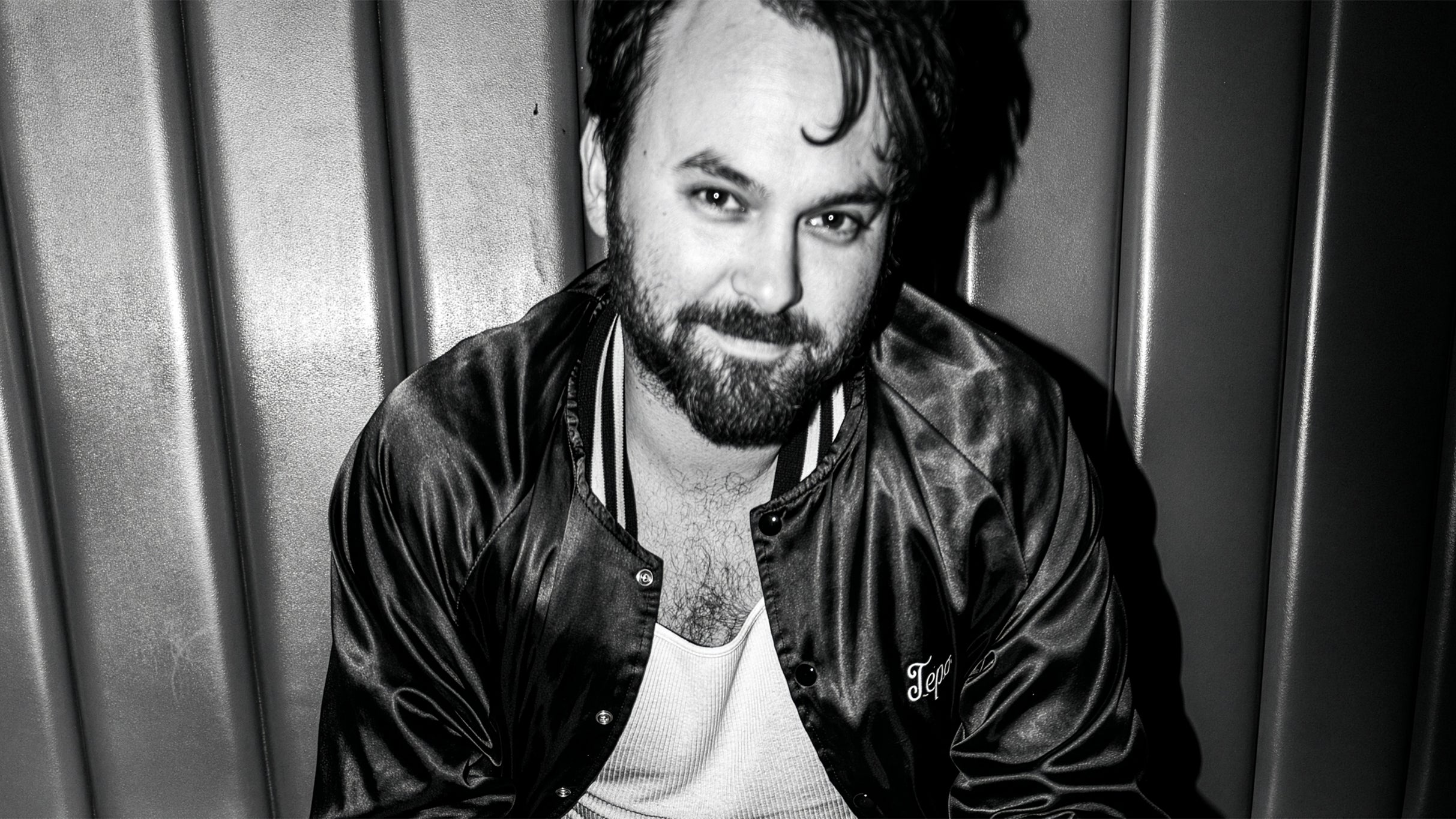
Apr. 20, 2026
Shakey Graves