- Today
- Holidays
- Birthdays
- Reminders
- Cities
- Atlanta
- Austin
- Baltimore
- Berwyn
- Beverly Hills
- Birmingham
- Boston
- Brooklyn
- Buffalo
- Charlotte
- Chicago
- Cincinnati
- Cleveland
- Columbus
- Dallas
- Denver
- Detroit
- Fort Worth
- Houston
- Indianapolis
- Knoxville
- Las Vegas
- Los Angeles
- Louisville
- Madison
- Memphis
- Miami
- Milwaukee
- Minneapolis
- Nashville
- New Orleans
- New York
- Omaha
- Orlando
- Philadelphia
- Phoenix
- Pittsburgh
- Portland
- Raleigh
- Richmond
- Rutherford
- Sacramento
- Salt Lake City
- San Antonio
- San Diego
- San Francisco
- San Jose
- Seattle
- Tampa
- Tucson
- Washington
Grand Canyon Village Today
By the People, for the People
Geologists Discover Ancient Colorado River Path
Researchers trace 5.6 million-year-old river route to dried lakebed near Grand Canyon
Apr. 17, 2026 at 7:01pm
Got story updates? Submit your updates here. ›
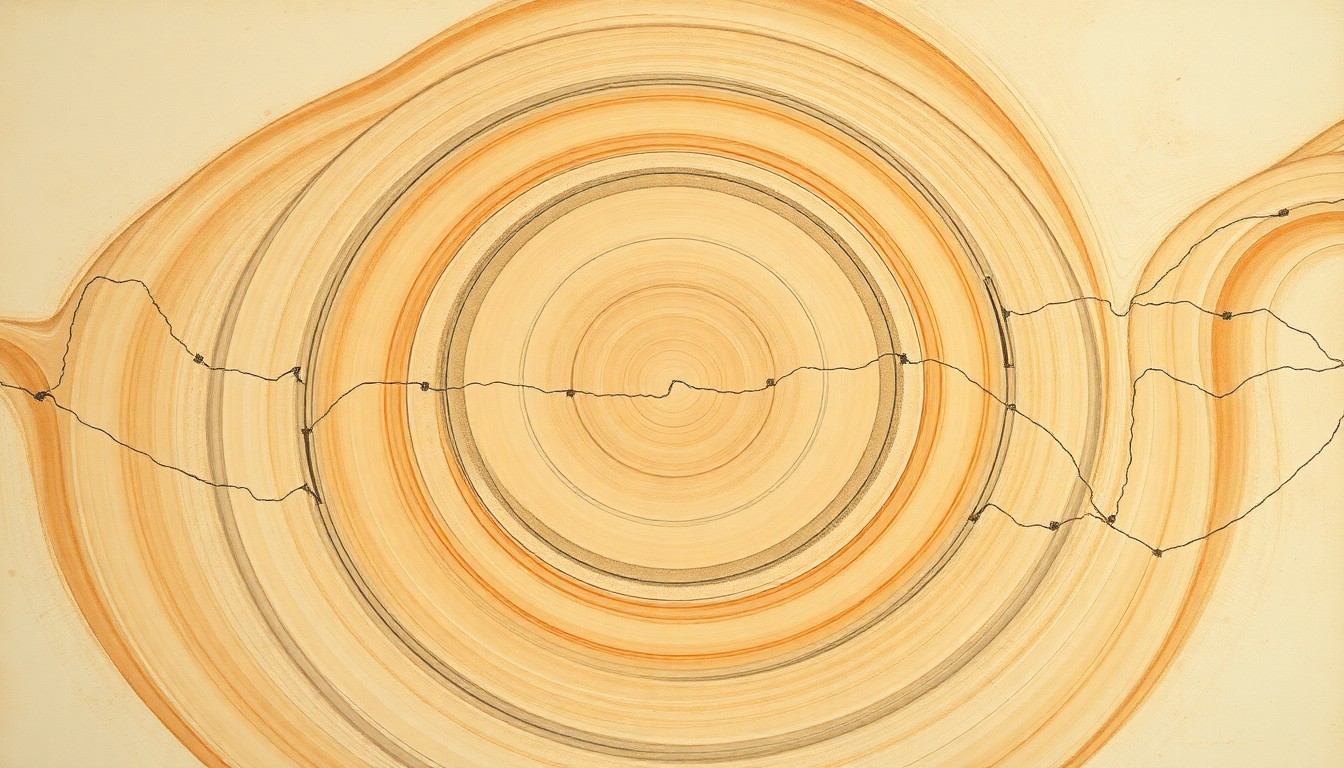 An abstract visualization of the Colorado River's ancient path, uncovered by geologists studying the region's geological history.Grand Canyon Village Today
Geologists have uncovered evidence of an ancient path the Colorado River took during the Miocene Epoch, over 5.6 million years ago. The river's former route has been traced to a now-dry lakebed located east-southeast of the Grand Canyon in Arizona.
Why it matters
This discovery provides new insights into the geological history and evolution of the Colorado River system, which has shaped the landscape of the American Southwest over millions of years. Understanding the river's ancient paths can help scientists better model its long-term changes and impacts on the region.
The details
Using geological mapping and analysis, researchers were able to track the Miocene Epoch version of the Colorado River to a dried lakebed situated east-southeast of the present-day Grand Canyon. This ancient river path diverges significantly from the Colorado River's current course, offering a glimpse into the dramatic changes the river system has undergone over vast timescales.
- The ancient river path dates back over 5.6 million years to the Miocene Epoch.
The players
Geologists
Researchers who used geological mapping and analysis to uncover evidence of the Colorado River's ancient path.
The takeaway
This discovery highlights the dynamic nature of the Colorado River system and the importance of studying its long-term geological history to better understand the forces that have shaped the American Southwest over millions of years.