- Today
- Holidays
- Birthdays
- Reminders
- Cities
- Atlanta
- Austin
- Baltimore
- Berwyn
- Beverly Hills
- Birmingham
- Boston
- Brooklyn
- Buffalo
- Charlotte
- Chicago
- Cincinnati
- Cleveland
- Columbus
- Dallas
- Denver
- Detroit
- Fort Worth
- Houston
- Indianapolis
- Knoxville
- Las Vegas
- Los Angeles
- Louisville
- Madison
- Memphis
- Miami
- Milwaukee
- Minneapolis
- Nashville
- New Orleans
- New York
- Omaha
- Orlando
- Philadelphia
- Phoenix
- Pittsburgh
- Portland
- Raleigh
- Richmond
- Rutherford
- Sacramento
- Salt Lake City
- San Antonio
- San Diego
- San Francisco
- San Jose
- Seattle
- Tampa
- Tucson
- Washington
Mount Ida Today
By the People, for the People
Rockhounding Connects Humans to Primordial Crystal Fascination
New study shows chimpanzees share our innate attraction to transparent, symmetrical crystals.
Apr. 12, 2026 at 2:13pm
Got story updates? Submit your updates here. ›
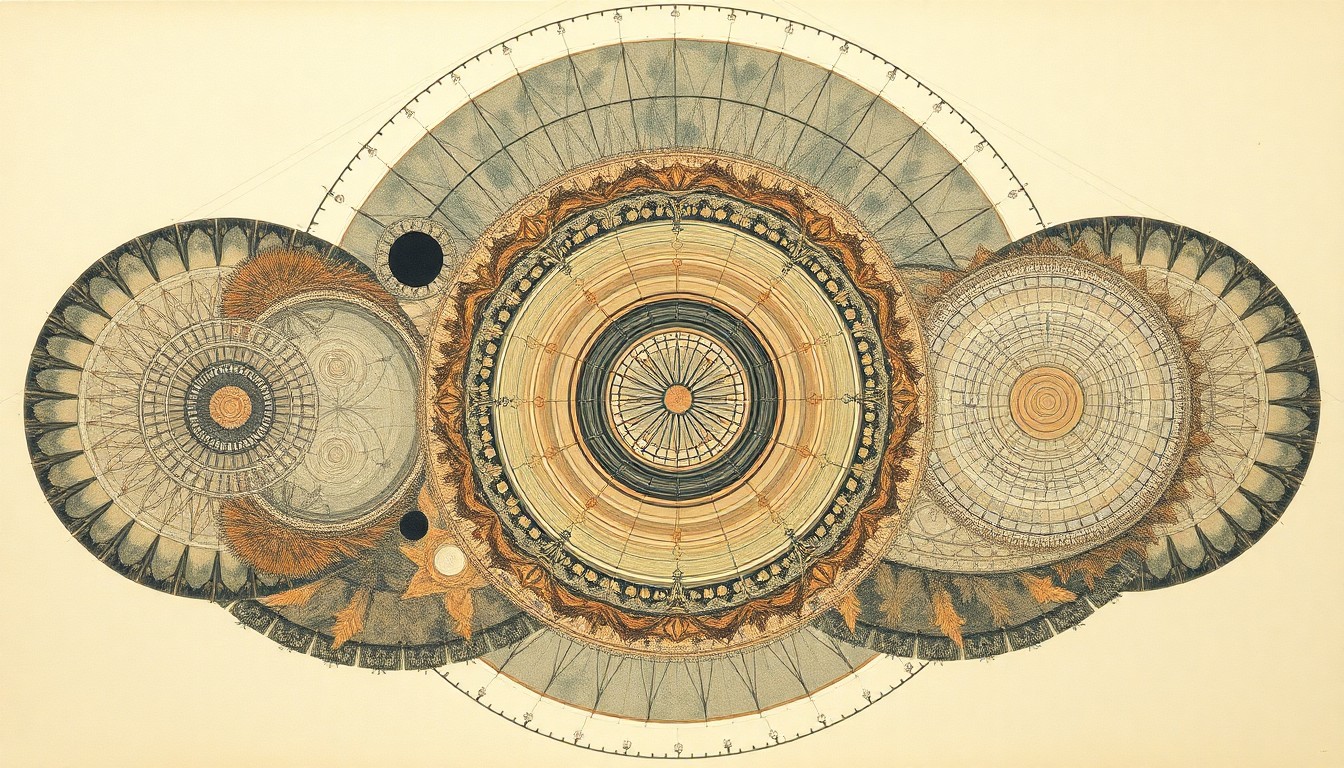 An abstract visualization of the captivating geometric structures and symmetrical patterns that draw humans and our primate ancestors to the allure of crystals and gemstones.Mount Ida Today
A new study has found that rockhounding, the hobby of searching for and collecting rocks, minerals, and gemstones, connects humans to a primordial fascination with crystals that even extends to our primate ancestors. The research observed chimpanzees exhibiting preferences for crystals with specific qualities like transparency and geometric shapes, similar to human rockhounding behavior. This suggests an innate human draw to these natural wonders that has existed for hundreds of thousands of years.
Why it matters
The study provides insight into the deep-rooted human attraction to crystals, which has manifested in practices like scrying, healing, and decoration for millennia. Rockhounding allows people to directly connect with this primal interest, combining the thrill of discovery, the beauty of natural formations, and a sense of communion with the natural world.
The details
The study by Garcia-Ruiz et al. observed chimpanzees interacting with piles of pebbles that contained mixed-in crystals. The chimps were more likely to select the crystals, particularly those with transparency and symmetrical shapes, over the regular pebbles. They were seen holding the crystals close to their eyes and inspecting them while relaxing near windows to observe the stones against the light - behaviors similar to human rockhounding practices. This suggests an innate attraction to the unique qualities of crystals that is not driven by any apparent survival benefit, but rather an intrinsic fascination.
- The study was published in April 2026.
- The Morefield Gem Mine in Amelia, Virginia operated from 1929 to 2018.
The players
Garcia-Ruiz et al.
The authors of the study that examined the primordial fascination with crystals, including observing chimpanzee behavior.
Sam Dunaway
The retired mining engineer who owned and operated the Morefield Gem Mine in Virginia from 1996 to 2018, describing the innate human draw to rockhounding and discovering unique stones.
What they’re saying
“As a kid, all I really wanted to do was analyze my rocks...I analyzed everything imaginable...I'm pretty much of a seeker, a looker, an analyst.”
— Sam Dunaway, Retired mining engineer and former owner of Morefield Gem Mine
“The best scryers looked into it and came out spinning stories, making meaning where before there was none, all from a hunk of polished cave rock.”
— Rachel Syme
What’s next
The study's findings suggest that the human fascination with crystals and rockhounding may have deep evolutionary roots, opening up further avenues of research into the origins and significance of this primal attraction.
The takeaway
Rockhounding allows people to directly connect with an innate human fascination with crystals that has existed for hundreds of thousands of years, combining the thrill of discovery, the beauty of natural formations, and a sense of communion with the natural world.