- Today
- Holidays
- Birthdays
- Reminders
- Cities
- Atlanta
- Austin
- Baltimore
- Berwyn
- Beverly Hills
- Birmingham
- Boston
- Brooklyn
- Buffalo
- Charlotte
- Chicago
- Cincinnati
- Cleveland
- Columbus
- Dallas
- Denver
- Detroit
- Fort Worth
- Houston
- Indianapolis
- Knoxville
- Las Vegas
- Los Angeles
- Louisville
- Madison
- Memphis
- Miami
- Milwaukee
- Minneapolis
- Nashville
- New Orleans
- New York
- Omaha
- Orlando
- Philadelphia
- Phoenix
- Pittsburgh
- Portland
- Raleigh
- Richmond
- Rutherford
- Sacramento
- Salt Lake City
- San Antonio
- San Diego
- San Francisco
- San Jose
- Seattle
- Tampa
- Tucson
- Washington
Fulton Today
By the People, for the People
Arkansas Drought Persists Despite Recent Rains
Extreme drought conditions continue to grip north central Arkansas, reshaping lives and ecosystems.
Apr. 12, 2026 at 7:15pm
Got story updates? Submit your updates here. ›
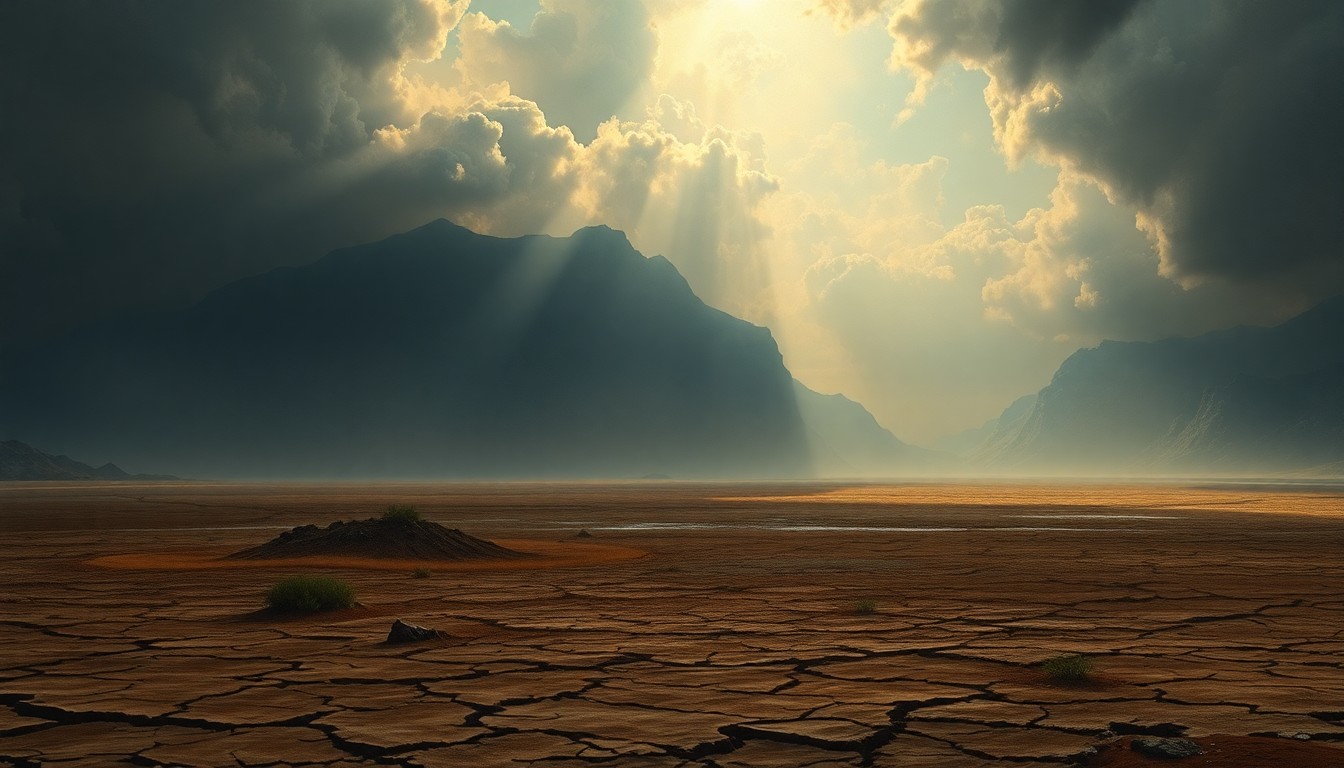 As the drought in Arkansas persists, the land itself becomes a testament to the region's struggle against the unforgiving forces of nature.Fulton Today
Despite recent rainfall, the drought plaguing north central Arkansas remains in an extreme state, with parts of Fulton, Izard, and Stone counties experiencing exceptional drought conditions. Farmers, families, and communities are grappling with the far-reaching impacts, from withering crops to water rationing, as the region faces the prospect of this becoming the new normal due to climate change.
Why it matters
This drought is more than just a weather story - it's a reflection of our vulnerability to forces beyond our control. The lack of rainfall is reshaping lives and ecosystems, highlighting the fragility of our systems and the need to rethink how we manage water, agriculture, and prepare for a future where extreme droughts may become the norm.
The details
The U.S. Drought Monitor maps show most of Arkansas remains in extreme drought, with parts of Fulton, Izard, and Stone counties in the exceptional category. This means more than just dry soil - it's about ecosystems on the brink, farmers watching crops wither, and communities rationing water. The National Weather Service predicts more rain, but amounts are expected to be minimal, suggesting this drought is part of a larger global trend of unpredictable weather patterns.
- The recent rains in north central Arkansas provided only temporary relief.
- The U.S. Drought Monitor shows the region has been in extreme drought for several months.
- The National Weather Service forecasts minimal rainfall in the coming weeks.
The players
U.S. Drought Monitor
A collaborative effort between federal agencies that produces maps of drought conditions across the United States.
National Weather Service
The primary weather forecasting, meteorology, and climate agency of the United States government.
Farmers in Mountain Home
Local farmers in the Mountain Home area of Arkansas who have seen April rainfall at less than a third of the average.
Families in southern Missouri
Residents in southern Missouri who are facing higher water bills and tougher decisions due to moderate drought conditions.
What’s next
The forecasts for the coming weeks offer little hope, but there is a need to rethink how we manage water, how we farm, and how we prepare for a future where droughts like this aren't the exception but the rule.
The takeaway
This drought is not just a local issue, but part of a larger global trend of unpredictable weather patterns driven by climate change. The resilience and adaptability of the affected communities will be crucial in navigating this crisis, as they serve as a model for how to prepare for a future where extreme droughts may become the new normal.