- Today
- Holidays
- Birthdays
- Reminders
- Cities
- Atlanta
- Austin
- Baltimore
- Berwyn
- Beverly Hills
- Birmingham
- Boston
- Brooklyn
- Buffalo
- Charlotte
- Chicago
- Cincinnati
- Cleveland
- Columbus
- Dallas
- Denver
- Detroit
- Fort Worth
- Houston
- Indianapolis
- Knoxville
- Las Vegas
- Los Angeles
- Louisville
- Madison
- Memphis
- Miami
- Milwaukee
- Minneapolis
- Nashville
- New Orleans
- New York
- Omaha
- Orlando
- Philadelphia
- Phoenix
- Pittsburgh
- Portland
- Raleigh
- Richmond
- Rutherford
- Sacramento
- Salt Lake City
- San Antonio
- San Diego
- San Francisco
- San Jose
- Seattle
- Tampa
- Tucson
- Washington
Opp Today
By the People, for the People
Alabama Farmer Sues Over Paraquat Parkinson's Link
Mac Barlow's decades-long use of the weed killer led to a devastating Parkinson's diagnosis, sparking a lawsuit against the manufacturer.
Apr. 10, 2026 at 2:54pm
Got story updates? Submit your updates here. ›
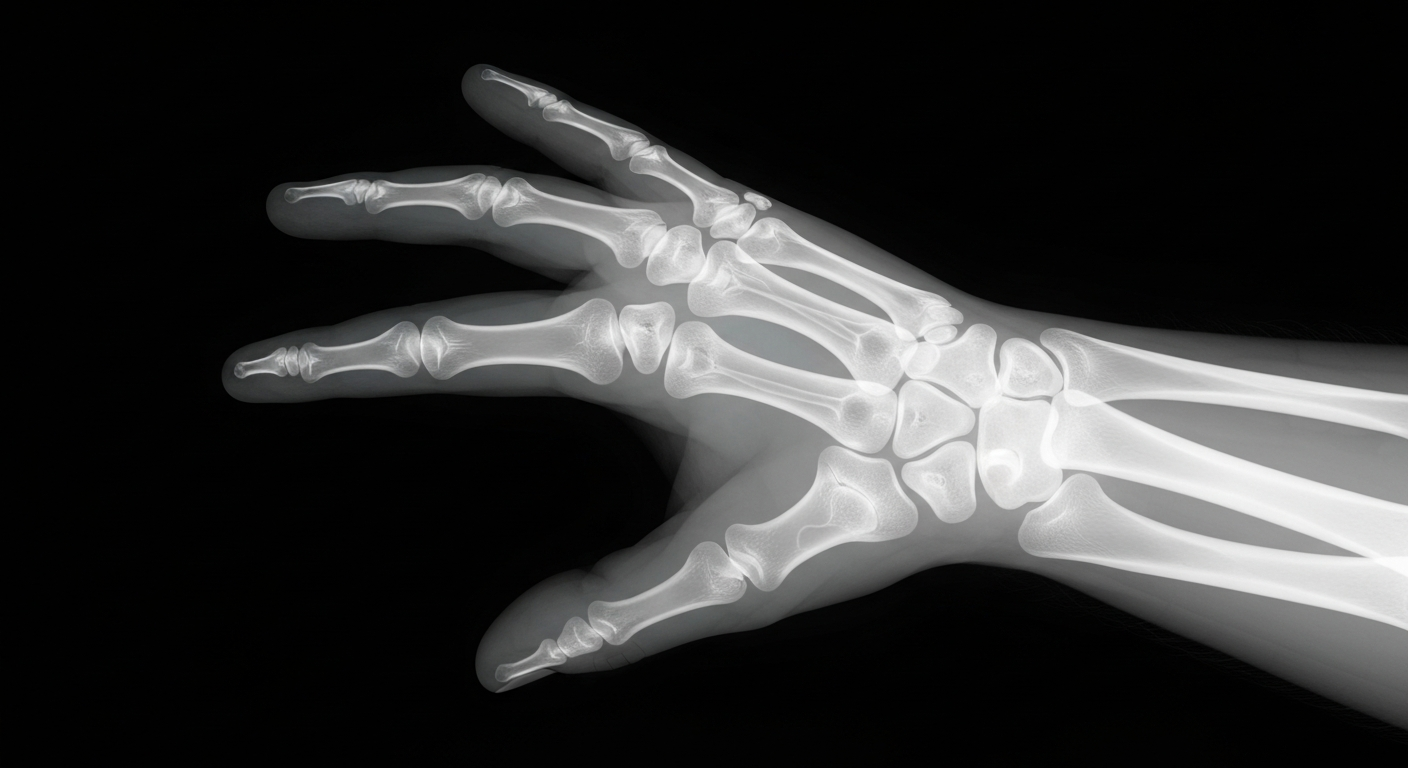 An X-ray image reveals the unseen internal toll of paraquat exposure on a farmer's body.Opp Today
Mac Barlow, an Alabama farmer, is one of over 6,200 individuals suing the manufacturer of the weed killer paraquat, alleging that its use led to his Parkinson's disease diagnosis. Barlow used paraquat for around 40 years on his farm, following safety protocols, but still developed the debilitating neurological condition. His story highlights the potential dangers of paraquat, which has been banned in many countries but continues to be sold in the U.S. and other nations.
Why it matters
The controversy surrounding paraquat raises important questions about the balance between agricultural productivity and human health. While the manufacturer maintains the pesticide is safe when used as directed, Barlow's experience and the growing number of lawsuits suggest a potential link between paraquat exposure and Parkinson's disease, impacting the lives of farmers and their families.
The details
Barlow, a third-generation farmer from Opp, Alabama, noticed subtle changes in his body about a decade ago, including unsteadiness, trembling hands, and difficulty gripping. These early signs of Parkinson's disease were initially attributed to aging, but a chance encounter with a neighbor who asked if he used paraquat sparked Barlow's realization. He had been using the powerful weed killer for decades, following safety protocols, but believes it ultimately caused his Parkinson's diagnosis. Barlow is now among more than 6,200 individuals suing the manufacturer, Syngenta, over the potential connection between paraquat and Parkinson's.
- Barlow has used paraquat on his farm for around 40 years.
- Barlow noticed early signs of Parkinson's disease in his body about a decade ago.
The players
Mac Barlow
A third-generation farmer from Opp, Alabama, who used paraquat for decades and was later diagnosed with Parkinson's disease.
Syngenta
The manufacturer of paraquat, which continues to sell the weed killer in the U.S. and other countries despite it being banned in dozens of nations.
Elizabeth Walden
An attorney representing Barlow and thousands of others in lawsuits against Syngenta, fighting for those affected by the alleged dangers of paraquat.
What they’re saying
“I thought it was just part of getting older, especially since I'd worked so hard for so long.”
— Mac Barlow, Farmer
“She asked if I used paraquat. That's when it clicked.”
— Mac Barlow, Farmer
“I've used it for about 40 years, on and off. If I'd known the risks, I would've sought alternatives.”
— Mac Barlow, Farmer
“We believe in the safety of our products and stand by the extensive scientific research that supports this.”
— Syngenta spokesperson
“I believe my years of spraying paraquat caused my Parkinson's. I had no family history of neurological diseases.”
— Mac Barlow, Farmer
What’s next
The outcome of the lawsuits against Syngenta is uncertain, but Barlow and his attorneys hope the legal action will lead to greater awareness and potential changes in the use of paraquat.
The takeaway
Barlow's story highlights the potential health risks associated with the widespread use of certain pesticides, like paraquat, and the need for a more comprehensive examination of the balance between agricultural productivity and human well-being. As more farmers come forward with similar experiences, the debate over the safety of paraquat continues to intensify.