- Today
- Holidays
- Birthdays
- Reminders
- Cities
- Atlanta
- Austin
- Baltimore
- Berwyn
- Beverly Hills
- Birmingham
- Boston
- Brooklyn
- Buffalo
- Charlotte
- Chicago
- Cincinnati
- Cleveland
- Columbus
- Dallas
- Denver
- Detroit
- Fort Worth
- Houston
- Indianapolis
- Knoxville
- Las Vegas
- Los Angeles
- Louisville
- Madison
- Memphis
- Miami
- Milwaukee
- Minneapolis
- Nashville
- New Orleans
- New York
- Omaha
- Orlando
- Philadelphia
- Phoenix
- Pittsburgh
- Portland
- Raleigh
- Richmond
- Rutherford
- Sacramento
- Salt Lake City
- San Antonio
- San Diego
- San Francisco
- San Jose
- Seattle
- Tampa
- Tucson
- Washington
King Salmon Today
By the People, for the People
Southeast Alaska Chinook Salmon Catch Limit Returns to Normal
After last year's record-low harvest, the 2026 Chinook salmon catch limit in Southeast Alaska is back to typical levels.
Apr. 3, 2026 at 9:56pm
Got story updates? Submit your updates here. ›
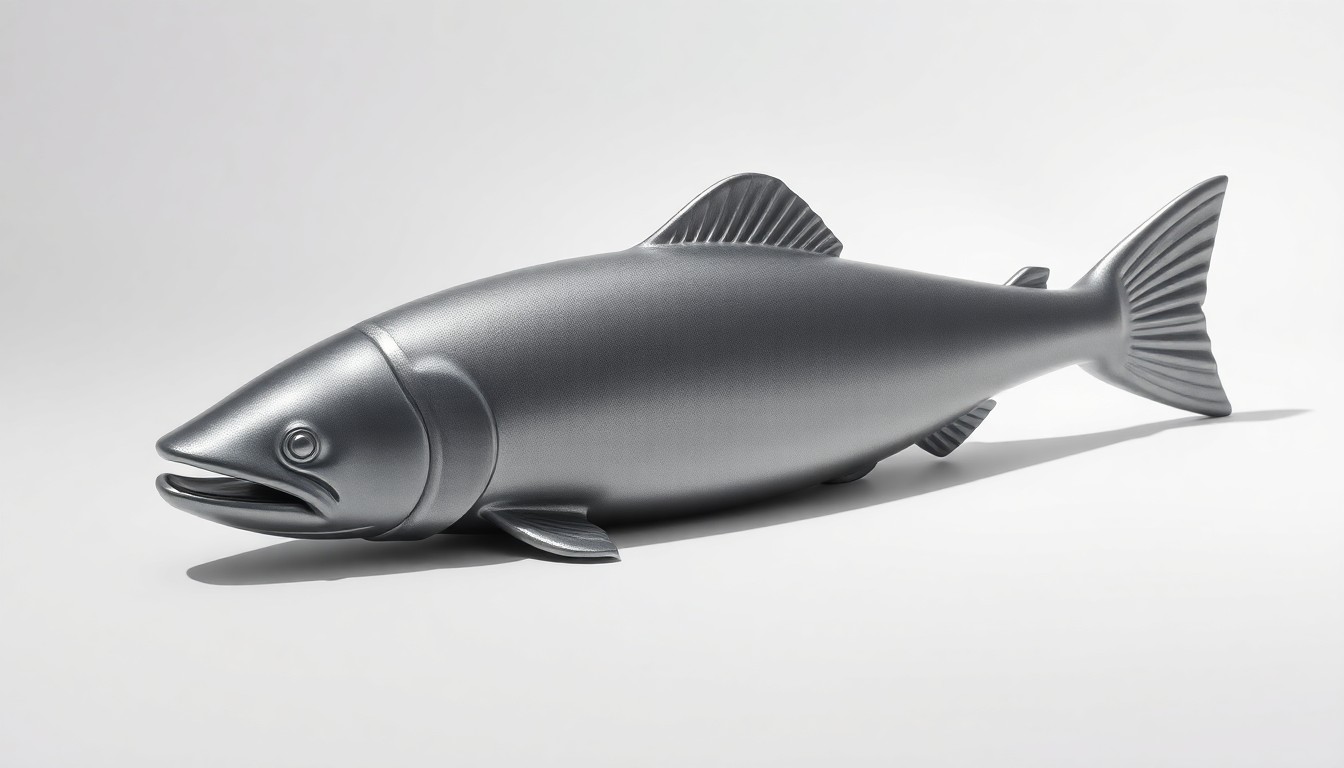 A sleek, sculptural representation of the prized Chinook salmon, whose catch limits in Southeast Alaska are carefully managed through an international treaty.King Salmon Today
Fishers in Southeast Alaska will be allowed to harvest 205,300 Chinook salmon this year, returning to a normal total after last year's ultra-low harvest limit of 133,500 fish. The increase reflects improved abundance and ocean conditions for the highly migratory and prized Chinook salmon, also known as king salmon, which are managed through the U.S.-Canada Pacific Salmon Treaty.
Why it matters
Chinook salmon are the smallest total harvest of Alaska's five salmon species but command the highest market prices. The treaty-determined catch limits are crucial for managing this shared resource that crosses international borders, and last year's record-low limit posed hardships on some fishing-dependent communities in Southeast Alaska.
The details
The 205,300 Chinook salmon harvest limit for 2026 is about the same as in prior years, with the majority (146,000 fish) allocated to commercial troll fishers who can quickly ice and handle the high-quality fish. The next largest allocation (43,600 fish) goes to sport anglers, while the remainder is for incidental catch by net fishers targeting other salmon species.
- The 2026 Southeast Alaska Chinook salmon catch limit was announced this week by the Alaska Department of Fish and Game.
- Last year's Southeast Chinook catch limit of 133,500 fish was the lowest since the Pacific Salmon Treaty went into effect in 1985.
The players
Alaska Department of Fish and Game
The state agency that announced the 2026 Southeast Alaska Chinook salmon catch limit.
Pacific Salmon Treaty
The U.S.-Canada agreement that determines the management and allocation of highly migratory Chinook salmon that cross international borders.
Dani Evenson
The Pacific Salmon Treaty and Arctic Policy Coordinator for the Alaska Department of Fish and Game's Division of Commercial Fisheries.
What they’re saying
“They kind of ignore things like international borders and jurisdictions, and they're going to do what they do. And so we have this treaty where we share the burden of conservation, we share the available catch. And it's a shared resource.”
— Dani Evenson, Pacific Salmon Treaty and Arctic Policy Coordinator, Alaska Department of Fish and Game
What’s next
The Pacific Salmon Commission, the decision-making body under the treaty, will continue to analyze data and set annual catch limits for Chinook salmon in Southeast Alaska and other jurisdictions covered by the agreement.
The takeaway
The return to a normal Chinook salmon catch limit in Southeast Alaska after last year's record-low harvest demonstrates the importance of the Pacific Salmon Treaty in managing this shared, cross-border resource. However, conservation challenges and allocation disputes mean fishery managers must still approach Chinook management cautiously.