- Today
- Holidays
- Birthdays
- Reminders
- Cities
- Atlanta
- Austin
- Baltimore
- Berwyn
- Beverly Hills
- Birmingham
- Boston
- Brooklyn
- Buffalo
- Charlotte
- Chicago
- Cincinnati
- Cleveland
- Columbus
- Dallas
- Denver
- Detroit
- Fort Worth
- Houston
- Indianapolis
- Knoxville
- Las Vegas
- Los Angeles
- Louisville
- Madison
- Memphis
- Miami
- Milwaukee
- Minneapolis
- Nashville
- New Orleans
- New York
- Omaha
- Orlando
- Philadelphia
- Phoenix
- Pittsburgh
- Portland
- Raleigh
- Richmond
- Rutherford
- Sacramento
- Salt Lake City
- San Antonio
- San Diego
- San Francisco
- San Jose
- Seattle
- Tampa
- Tucson
- Washington
Chefornak Today
By the People, for the People
4 Rescued After Ice Floe Traps Hunting Party in Alaska
Coast Guard hails daring helicopter mission as one of the most challenging they've ever flown.
Apr. 16, 2026 at 12:52am
Got story updates? Submit your updates here. ›
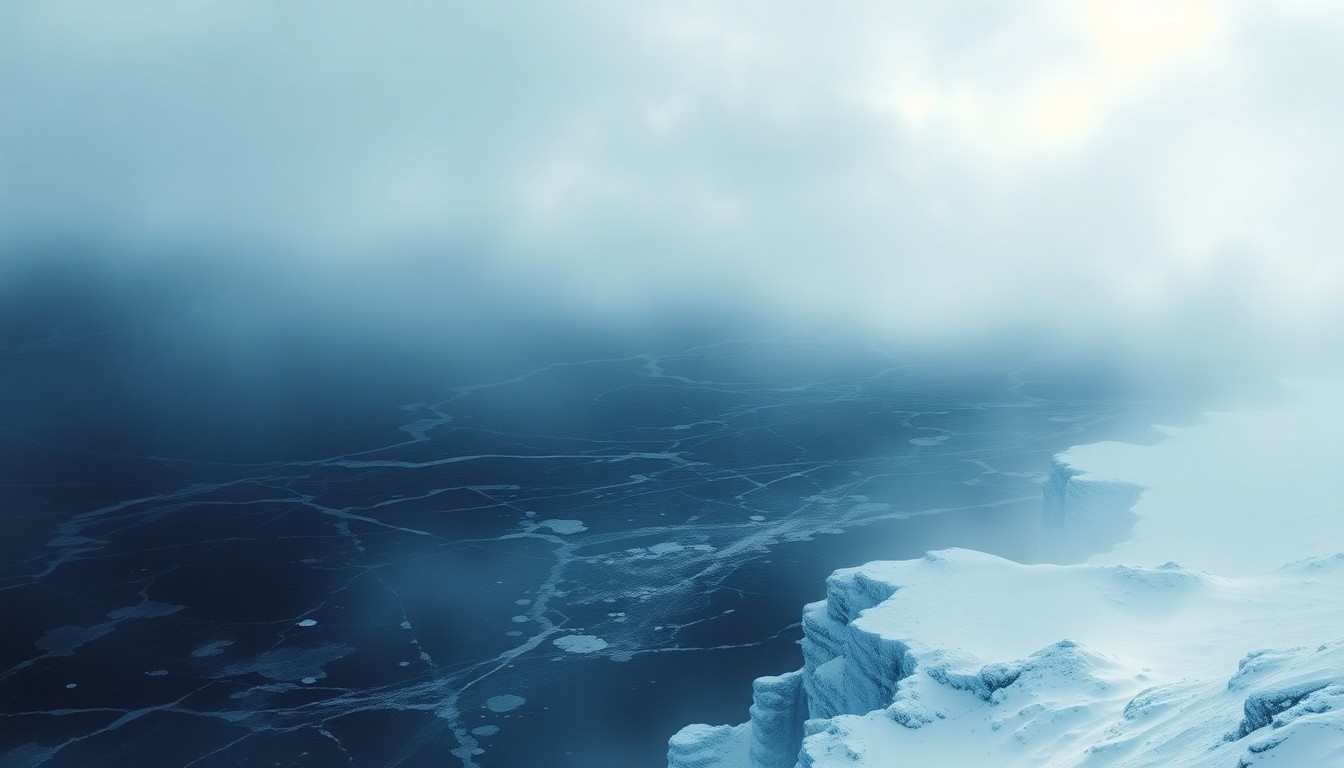 A dramatic rescue mission in the Alaskan wilderness underscores the challenges of subsistence living in a changing climate.Chefornak Today
The U.S. Coast Guard rescued four people, including a child, who became trapped on an ice floe during a seal hunting expedition near the remote Alaskan village of Chefornak. The group had been stranded for over 24 hours before being hoisted to safety by a helicopter crew that battled harsh weather conditions including near-zero visibility, blowing snow, and icing.
Why it matters
Subsistence hunting is a vital part of the traditional way of life for many indigenous communities in Alaska, but can also be extremely dangerous, especially as climate change disrupts ice patterns. This rescue highlights the important role of the Coast Guard in responding to emergencies in remote areas and the need for proper safety equipment and communication devices when venturing out on the ice.
The details
The group's 18-foot vessel became trapped on the ice floe, preventing them from reaching the shore. An MH-60 Jayhawk helicopter crew from Coast Guard Air Station Kodiak was dispatched and reached the scene around 5 p.m. on Sunday. The crew hoisted all four people, three adults and one child, aboard the helicopter in 28-degree air temperature and 29 mph winds.
- The Coast Guard received the initial report from Alaska State Troopers at 4:24 p.m. on Saturday.
- The group had been trapped on the ice floe for over 24 hours before being rescued.
- The helicopter crew reached the scene and completed the rescue around 5 p.m. on Sunday, April 12, 2026.
The players
U.S. Coast Guard
The U.S. Coast Guard is the maritime security, search and rescue, and law enforcement branch of the United States Armed Forces.
Lt. Cmdr. Alexis Chavarria-Aguilar
The pilot-in-command for the Coast Guard helicopter that conducted the rescue mission.
Alaska State Troopers
The state law enforcement agency that initially reported the hunting party's situation to the Coast Guard.
Chefornak
A remote village in the Yukon-Kuskokwim Delta region of southwestern Alaska where the rescued hunting party was transported.
What they’re saying
“Our entire crew agreed this was one of the most challenging missions any of us had ever flown. We battled nearly every Alaska-centric aviation weather hazard imaginable, such as flying over 800 miles in near-zero visibility through mountainous terrain, blowing snow and icing conditions.”
— Lt. Cmdr. Alexis Chavarria-Aguilar, Pilot-in-command
“It was a long, difficult night, but I'm so proud of everyone involved who worked seamlessly together to bring four people home safely.”
— Lt. Cmdr. Alexis Chavarria-Aguilar, Pilot-in-command
What’s next
The Coast Guard will likely review the incident to identify any lessons learned or potential improvements to their rescue protocols in remote Arctic regions.
The takeaway
This dramatic rescue highlights the vital role the U.S. Coast Guard plays in protecting vulnerable communities in Alaska, where climate change is disrupting traditional subsistence activities and increasing the risks of outdoor expeditions. The successful outcome also underscores the importance of proper safety equipment and communication devices for those venturing onto the ice.