- Today
- Holidays
- Birthdays
- Reminders
- Cities
- Atlanta
- Austin
- Baltimore
- Berwyn
- Beverly Hills
- Birmingham
- Boston
- Brooklyn
- Buffalo
- Charlotte
- Chicago
- Cincinnati
- Cleveland
- Columbus
- Dallas
- Denver
- Detroit
- Fort Worth
- Houston
- Indianapolis
- Knoxville
- Las Vegas
- Los Angeles
- Louisville
- Madison
- Memphis
- Miami
- Milwaukee
- Minneapolis
- Nashville
- New Orleans
- New York
- Omaha
- Orlando
- Philadelphia
- Phoenix
- Pittsburgh
- Portland
- Raleigh
- Richmond
- Rutherford
- Sacramento
- Salt Lake City
- San Antonio
- San Diego
- San Francisco
- San Jose
- Seattle
- Tampa
- Tucson
- Washington
Cheyenne Today
By the People, for the People
Southeast Wyoming Snowpack Hits Record Lows This Spring
Exceptionally warm March melts off much of the existing snow pack, leaving rivers uncertain and altering the familiar landscape
Apr. 6, 2026 at 4:51pm
Got story updates? Submit your updates here. ›
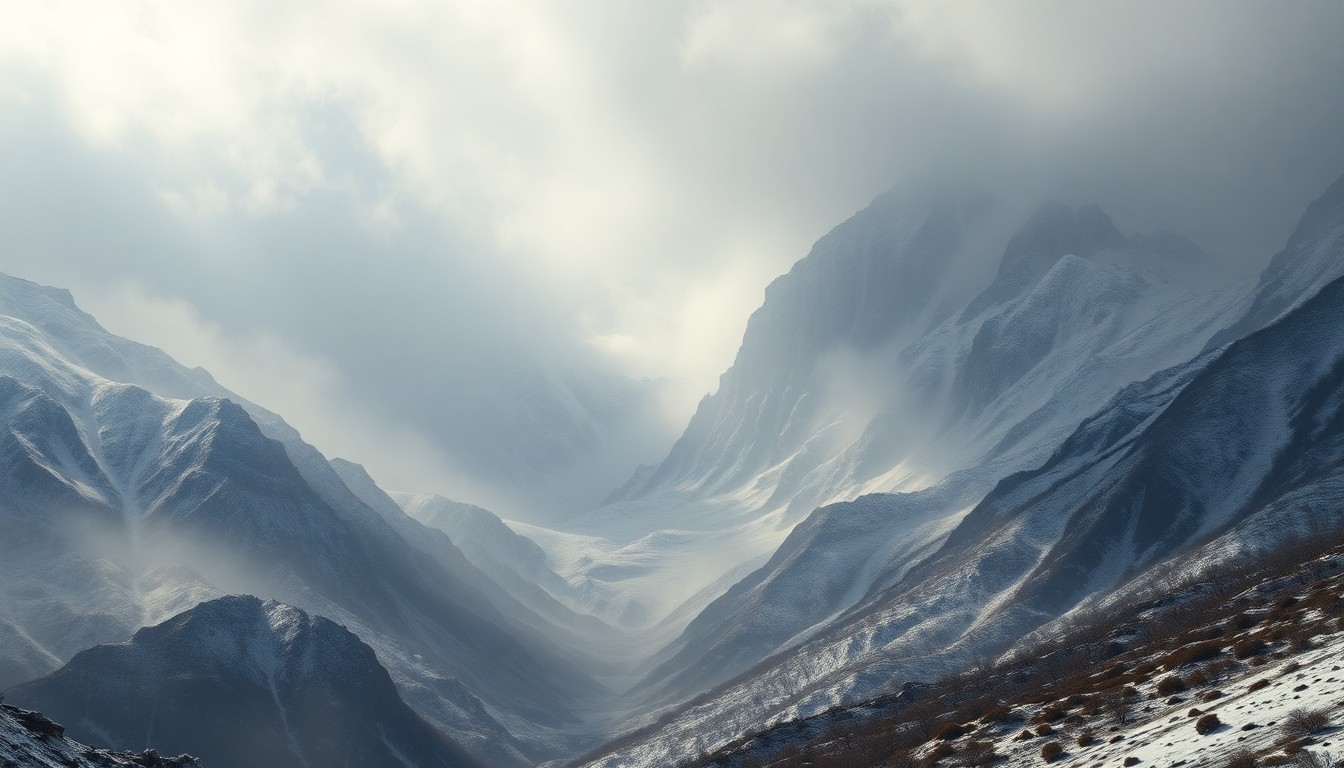 The depletion of southeast Wyoming's mountain snowpack, a vital water source for the region, paints a bleak picture of the impacts of climate change on the local landscape.Cheyenne Today
The snowpack levels for mountain ranges in southeast Wyoming are as low as 0 percent in one case, and all are far below median levels for this time of year. The weather service reports that the snowpack is at its lowest level on record, with most locations peaking in mid-March at their lowest point in the historical record before declining significantly due to the extremely warm temperatures.
Why it matters
The low snowpack levels will have significant impacts on the region's rivers, which rely on spring snowmelt to maintain water levels through the summer. This could lead to water shortages, disruptions to agriculture, and changes to the local ecosystem and landscape that residents have grown accustomed to.
The details
Not only has snowfall been well below average, but an unusually warm March melted off much of the existing snow pack. The weather service says the exceptional warmth last month was the worst case scenario for the mountain snowpack in southern Wyoming and northern Colorado, which feeds the North Platte, Laramie, and Little Snake Rivers in spring and summer.
- The snowpack peaked in mid-March at its lowest level on record.
- Over the last several weeks, the snowpack has declined significantly due to the extremely warm temperatures.
The players
National Weather Service
The government agency that monitors and reports on weather conditions across the United States.
What they’re saying
“The exceptional warmth last month was the worst case scenario for the mountain snowpack in southern Wyoming and northern Colorado, which feeds the North Platte, Laramie, and Little Snake Rivers in spring and summer. Unfortunately, as of early April, mountain snowpack is at its lowest level on record.”
— National Weather Service
The takeaway
The record-low snowpack levels in southeast Wyoming will have far-reaching impacts on the region's rivers, water supply, agriculture, and local ecosystems. This serves as a stark reminder of the effects of climate change and the need for proactive measures to adapt to a changing environment.