- Today
- Holidays
- Birthdays
- Reminders
- Cities
- Atlanta
- Austin
- Baltimore
- Berwyn
- Beverly Hills
- Birmingham
- Boston
- Brooklyn
- Buffalo
- Charlotte
- Chicago
- Cincinnati
- Cleveland
- Columbus
- Dallas
- Denver
- Detroit
- Fort Worth
- Houston
- Indianapolis
- Knoxville
- Las Vegas
- Los Angeles
- Louisville
- Madison
- Memphis
- Miami
- Milwaukee
- Minneapolis
- Nashville
- New Orleans
- New York
- Omaha
- Orlando
- Philadelphia
- Phoenix
- Pittsburgh
- Portland
- Raleigh
- Richmond
- Rutherford
- Sacramento
- Salt Lake City
- San Antonio
- San Diego
- San Francisco
- San Jose
- Seattle
- Tampa
- Tucson
- Washington
Cheyenne Today
By the People, for the People
This Weird Winter Was One of the Warmest — and Coldest — on Record
The split between frigid East and record warmth in the West is a glimpse of our climate future.
Mar. 8, 2026 at 2:18pm
Got story updates? Submit your updates here. ›
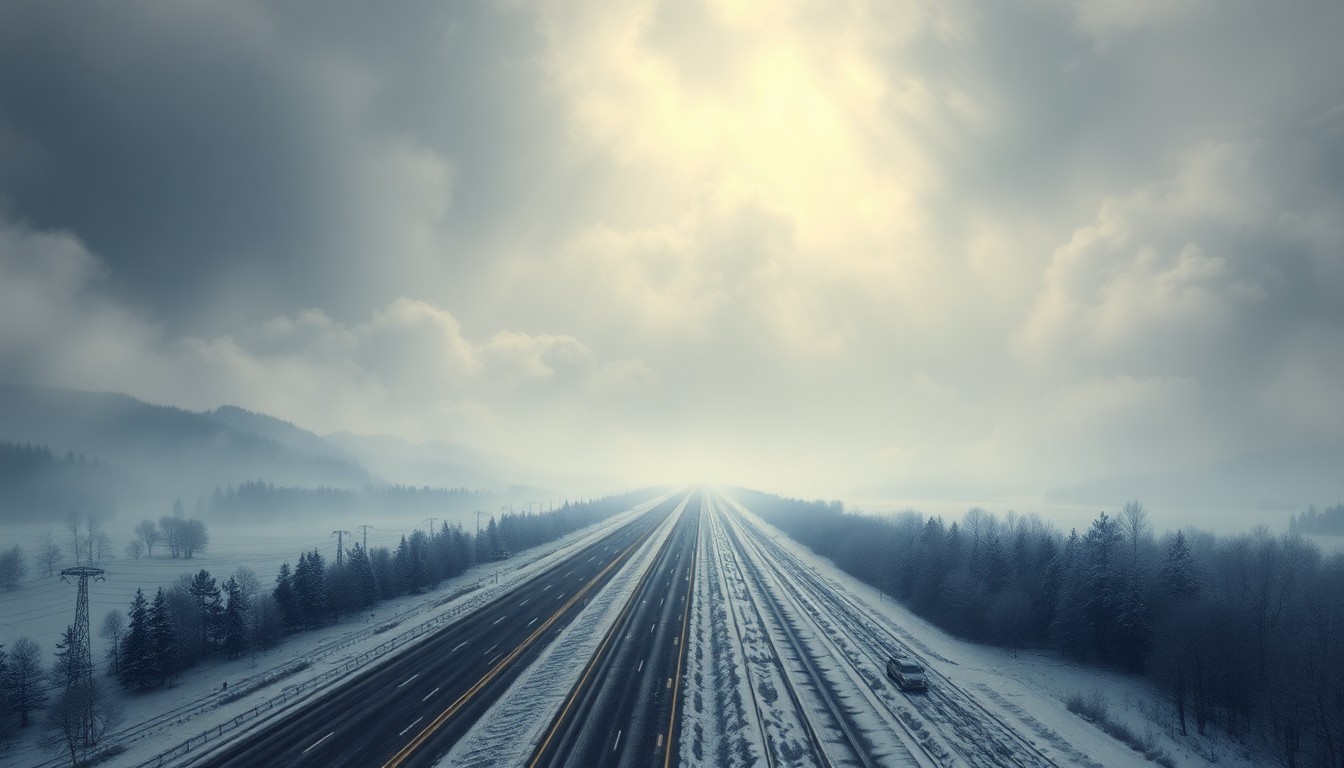
This past winter saw a decisive split between frigid cold in the Eastern U.S. and record warmth in the West, with the warmth ultimately winning out. While many Eastern cities ranked this winter among their top 25 coldest on record, no station had its most frigid winter ever. Meanwhile, numerous Western cities set records for their hottest winter. This dramatic contrast highlights how climate change is impacting seasonal weather patterns, with winters now the fastest-warming season in many parts of the country.
Why it matters
The extreme weather contrasts seen this past winter provide a glimpse into the future climate, as human-caused global warming continues to load the dice in favor of more extreme temperature swings and weather volatility. Understanding these trends is crucial for preparing communities for the impacts of a rapidly changing climate.
The details
This past winter, the Western U.S. as a region had its warmest winter on record, with a paucity of snow cover. Many areas are now facing a potentially dire summer drought and wildfire season. In contrast, the Midwest and East saw severe cold, snow, and ice for weeks on end, with new terms like "snowcrete" emerging to describe the sleet-encrusted snow. However, while many Eastern locations ranked this winter among their top 25 coldest, no station with a long period of records had its most frigid winter ever.
- This past meteorological winter ran from December 2025 through February 2026.
The players
Jonathan Martin
A meteorologist at the University of Wisconsin-Madison who has been tracking the size of the Northern Hemisphere's "cold pool" - the layer of air about 5,000 feet up that is cold enough to support snowflake formation.
What they’re saying
“It's one of the first free atmosphere, that is, away from the surface … measurements that conclusively show that the hemisphere is warming during the wintertime.”
— Jonathan Martin, Meteorologist
What’s next
As the world continues to warm, the data on the shrinking "cold pool" suggests that winters of the future are more likely to keep breaking warmth records, while cold outbreaks may become more extreme but less frequent.
The takeaway
This past winter's dramatic contrast between frigid cold in the East and record warmth in the West is a clear sign of the impacts of human-caused climate change, with winters now the fastest-warming season in many parts of the country. Understanding these trends is crucial for preparing communities for the increasing volatility and extremes that will define our future climate.