- Today
- Holidays
- Birthdays
- Reminders
- Cities
- Atlanta
- Austin
- Baltimore
- Berwyn
- Beverly Hills
- Birmingham
- Boston
- Brooklyn
- Buffalo
- Charlotte
- Chicago
- Cincinnati
- Cleveland
- Columbus
- Dallas
- Denver
- Detroit
- Fort Worth
- Houston
- Indianapolis
- Knoxville
- Las Vegas
- Los Angeles
- Louisville
- Madison
- Memphis
- Miami
- Milwaukee
- Minneapolis
- Nashville
- New Orleans
- New York
- Omaha
- Orlando
- Philadelphia
- Phoenix
- Pittsburgh
- Portland
- Raleigh
- Richmond
- Rutherford
- Sacramento
- Salt Lake City
- San Antonio
- San Diego
- San Francisco
- San Jose
- Seattle
- Tampa
- Tucson
- Washington
Huntington Today
By the People, for the People
Harm Reduction: How Naloxone Saves Lives
Amid the opioid crisis, naloxone is a vital tool for reversing overdoses and preventing deaths.
Mar. 30, 2026 at 2:38pm
Got story updates? Submit your updates here. ›
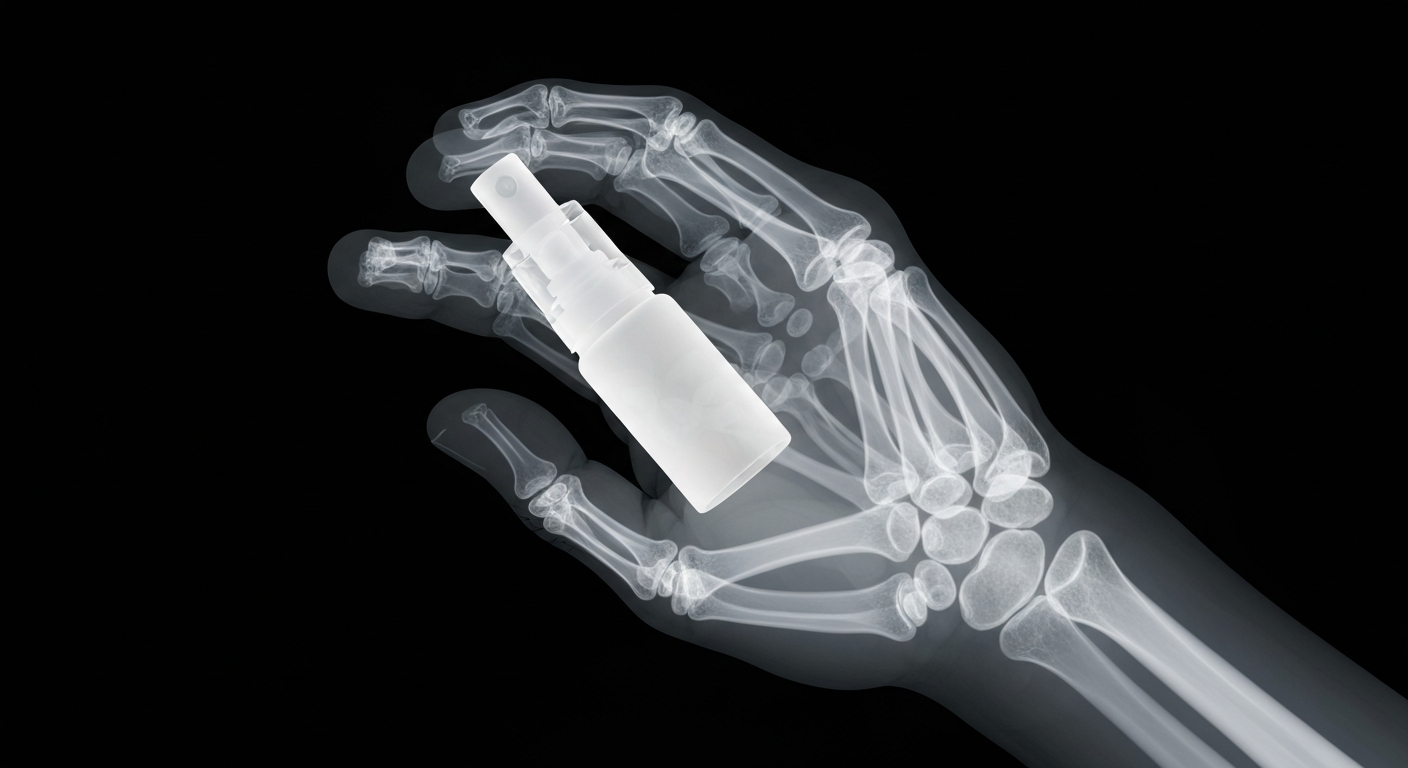 An X-ray view of a hand holding naloxone, the overdose reversal medication that is a vital tool in combating the opioid crisis.Huntington Today
The article explores the importance of naloxone, also known as Narcan, as a key harm reduction strategy in addressing the ongoing opioid epidemic. Experts discuss how naloxone works, the need for widespread availability and training, and the misconceptions surrounding its use. The article highlights personal accounts of naloxone being used to revive individuals experiencing overdoses, emphasizing the life-saving potential of this medication.
Why it matters
Naloxone is considered the most effective tool available for reversing opioid overdoses and preventing deaths. As the opioid crisis continues to devastate communities, increasing access to and education about naloxone is crucial to saving lives and connecting individuals to recovery resources.
The details
Naloxone works by blocking the brain's opioid receptors, displacing the opioids and reversing the overdose. Experts recommend that people carry naloxone with them, as it can be used on anyone experiencing an overdose, regardless of their background. While naloxone does not always work on the first try, it has been shown to be highly effective in reviving individuals. However, there are still misconceptions that naloxone can get someone high or enable drug use, which experts refute.
- The opioid epidemic has been an ongoing crisis in the United States, with spikes in overdoses occurring in Huntington, West Virginia as recently as 2017 or 2018.
The players
Susan Margaret Murphy
President of the West Virginia Drug Intervention Institute, who emphasizes the importance of naloxone as a primary harm reduction strategy.
Casey Edwards
A peer recovery support specialist at St. Mary's Medical Center, who carries naloxone with him and has used it to revive individuals experiencing overdoses.
Dickie Anderson
A retired Huntington firefighter who witnessed the overwhelming number of overdoses during the height of the opioid crisis in the area.
What they’re saying
“It is a primary harm reduction strategy, because it's the one tool we have that can reverse death.”
— Susan Margaret Murphy, President, West Virginia Drug Intervention Institute
“If somebody thinks that they don't need to carry Narcan, honestly, with the opioid epidemic and where it is, and the amount of people that are overdosing these days, in a way, I feel like that's a selfish way of thinking.”
— Casey Edwards, Peer Recovery Support Specialist, St. Mary's Medical Center
“You can even use Narcan if it's not an overdose. There's been instances where somebody is unconscious and for some other reason and it's a suspected overdose, but so Narcan is administered, but it doesn't do anything to the patient.”
— Casey Edwards, Peer Recovery Support Specialist, St. Mary's Medical Center
What’s next
Experts emphasize the need to continue increasing the availability and distribution of naloxone, as well as providing training on its proper use, especially among college-aged individuals who may be at risk of accidental overdose.
The takeaway
Naloxone is a critical harm reduction tool that can save lives in the midst of the ongoing opioid crisis. Overcoming stigma and misconceptions about its use, and ensuring widespread access and education, are essential steps in combating overdose deaths and connecting individuals to recovery resources.