- Today
- Holidays
- Birthdays
- Reminders
- Cities
- Atlanta
- Austin
- Baltimore
- Berwyn
- Beverly Hills
- Birmingham
- Boston
- Brooklyn
- Buffalo
- Charlotte
- Chicago
- Cincinnati
- Cleveland
- Columbus
- Dallas
- Denver
- Detroit
- Fort Worth
- Houston
- Indianapolis
- Knoxville
- Las Vegas
- Los Angeles
- Louisville
- Madison
- Memphis
- Miami
- Milwaukee
- Minneapolis
- Nashville
- New Orleans
- New York
- Omaha
- Orlando
- Philadelphia
- Phoenix
- Pittsburgh
- Portland
- Raleigh
- Richmond
- Rutherford
- Sacramento
- Salt Lake City
- San Antonio
- San Diego
- San Francisco
- San Jose
- Seattle
- Tampa
- Tucson
- Washington
Beckley Today
By the People, for the People
West Virginia Targets Red Light Runners in Statewide Crackdown
High-visibility patrols aim to reduce intersection crashes and fatalities.
Apr. 1, 2026 at 10:56pm
Got story updates? Submit your updates here. ›
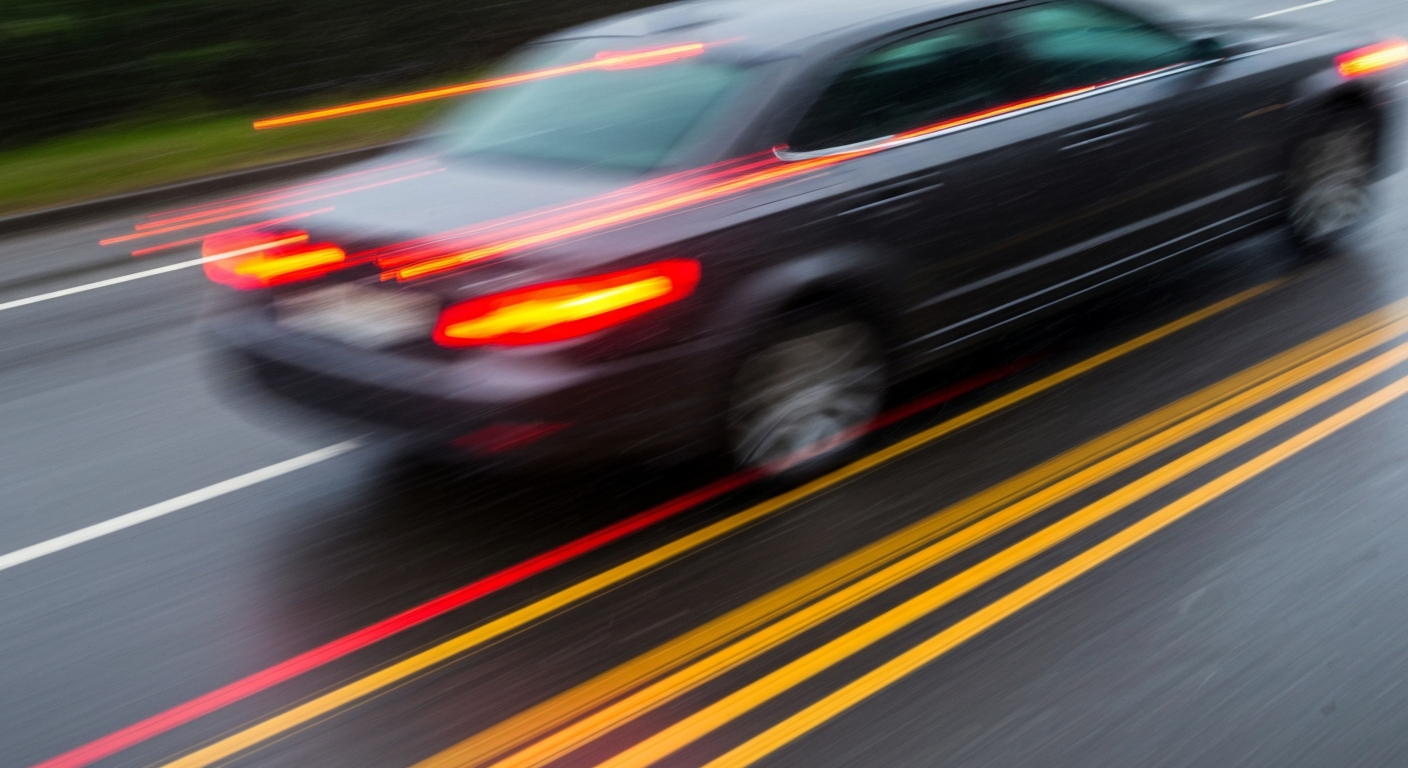
The West Virginia Governor's Highway Safety Program is partnering with law enforcement across the state for a two-week 'Target Red' enforcement mobilization, focusing on drivers who fail to stop at red traffic lights and stop signs. The campaign aims to address the alarming rise in intersection-related crashes, injuries, and fatalities in the state.
Why it matters
Intersection-related crashes account for a significant portion of all crashes, fatalities, and serious injuries in West Virginia, with speeding and aggressive driving being the top causal factors. The Target Red campaign has proven effective in the past at reducing red light violations and resulting crashes.
The details
During the April 1-15 enforcement period, officers will be closely monitoring drivers and issuing citations for 'rolling stops' and failure to fully stop at red lights and stop signs. Nationally, 1 in 3 Americans knows someone injured or killed in a red-light running crash, and intersection-related crashes made up nearly half of all fatal crashes in West Virginia between 2019-2023.
- The Target Red enforcement mobilization runs from April 1-15, 2026.
- The Target Red campaign was first conducted in the Beckley, WV area in 2008, reducing red light violations and crashes by 60%.
The players
West Virginia Governor's Highway Safety Program
A state agency that partners with law enforcement to promote traffic safety initiatives.
West Virginia Department of Transportation
The state agency that provided data on intersection-related crashes in West Virginia.
What’s next
The campaign's effectiveness will be evaluated after the two-week enforcement period to determine if it should be expanded or repeated in the future.
The takeaway
This crackdown on red light runners highlights the serious public safety issue of intersection crashes in West Virginia and the need for increased education and enforcement to save lives on the state's roads.