- Today
- Holidays
- Birthdays
- Reminders
- Cities
- Atlanta
- Austin
- Baltimore
- Berwyn
- Beverly Hills
- Birmingham
- Boston
- Brooklyn
- Buffalo
- Charlotte
- Chicago
- Cincinnati
- Cleveland
- Columbus
- Dallas
- Denver
- Detroit
- Fort Worth
- Houston
- Indianapolis
- Knoxville
- Las Vegas
- Los Angeles
- Louisville
- Madison
- Memphis
- Miami
- Milwaukee
- Minneapolis
- Nashville
- New Orleans
- New York
- Omaha
- Orlando
- Philadelphia
- Phoenix
- Pittsburgh
- Portland
- Raleigh
- Richmond
- Rutherford
- Sacramento
- Salt Lake City
- San Antonio
- San Diego
- San Francisco
- San Jose
- Seattle
- Tampa
- Tucson
- Washington
Stevens Point Today
By the People, for the People
Experts Offer Guidance for Helping Stranded Loons After Crash Landings
As icy conditions force loons to land on roads and fields, wildlife groups caution against direct handling to avoid harming the birds.
Apr. 6, 2026 at 10:48pm
Got story updates? Submit your updates here. ›
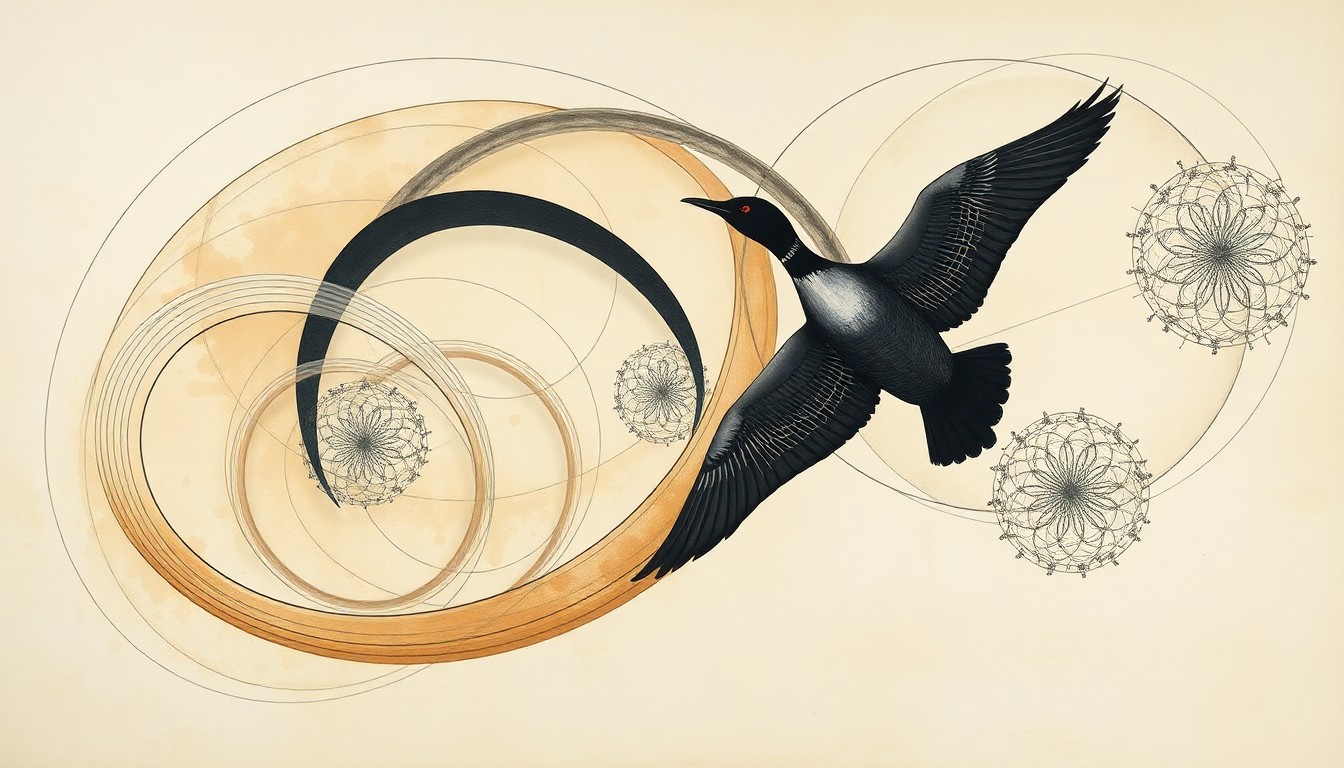 As loons face increasing challenges during their spring migration, a coordinated effort by wildlife experts aims to ensure their safe return to Midwest lakes.Stevens Point Today
As loons migrate back to Midwest lakes this spring, some are being forced out of the sky by dangerous weather conditions, leading to crash landings far from water. Wildlife experts say the issue is caused by a mix of warm and cold air during migration, which can cause ice to build up on the birds' wings, making it difficult for them to maintain flight. Unlike many birds, loons are not built to take off from land, so a grounded loon may be stranded without help. Experts caution against attempting to handle the birds directly, as it can cause serious harm, and instead recommend contacting trained rescuers who know how to safely transport the birds back to the water.
Why it matters
Loons are an iconic species in the Midwest, and their crash landings due to icy conditions can pose a threat to their well-being and population. By educating the public on the proper way to assist stranded loons, wildlife organizations hope to ensure the birds' safe return to their natural habitats.
The details
When ice builds up on loons' wings, the birds can no longer maintain flight and are forced to land on roads, fields, and other unsuitable areas. This can result in what rescuers call a "fallout," where multiple loons come down in the same location. Experts caution against attempting to handle the birds directly, as it can lead to broken wings or other serious injuries. Instead, they recommend contacting trained rescuers who can safely assess the bird's condition and transport it back to the water.
- As loons make their way back to Midwest lakes this spring
The players
Linda Grenzer
A conservationist with Loon Rescue Incorporated in Wisconsin.
Sheila Johnston
A loon conservationist and educator on Gull Lake in Minnesota.
Loon Rescue Incorporated
A wildlife organization that coordinates rescue efforts for stranded loons in Wisconsin.
What they’re saying
“We call it a fallout in certain areas where they're flying over and they land on roads, fields.”
— Linda Grenzer, Conservationist, Loon Rescue Incorporated
“We don't want citizens getting hurt, and we don't want them to hurt the bird. If you do it wrong, you could break their wing or something.”
— Sheila Johnston, Loon Conservationist and Educator
“What we ask somebody to do is to give us a call. If somebody has a towel, a coat, a sheet, place it over the loon, entire loon, including the head, because those bills are very sharp.”
— Linda Grenzer, Conservationist, Loon Rescue Incorporated
What’s next
Organizations across Minnesota and Wisconsin have trained volunteers who respond to these calls, assess the bird's condition, and transport it to a safe release location. Anyone who finds a downed loon is urged to contact trained rescuers rather than attempting to move the bird themselves.
The takeaway
By educating the public on the proper way to assist stranded loons, wildlife organizations hope to ensure the birds' safe return to their natural habitats and protect this iconic Midwest species.