- Today
- Holidays
- Birthdays
- Reminders
- Cities
- Atlanta
- Austin
- Baltimore
- Berwyn
- Beverly Hills
- Birmingham
- Boston
- Brooklyn
- Buffalo
- Charlotte
- Chicago
- Cincinnati
- Cleveland
- Columbus
- Dallas
- Denver
- Detroit
- Fort Worth
- Houston
- Indianapolis
- Knoxville
- Las Vegas
- Los Angeles
- Louisville
- Madison
- Memphis
- Miami
- Milwaukee
- Minneapolis
- Nashville
- New Orleans
- New York
- Omaha
- Orlando
- Philadelphia
- Phoenix
- Pittsburgh
- Portland
- Raleigh
- Richmond
- Rutherford
- Sacramento
- Salt Lake City
- San Antonio
- San Diego
- San Francisco
- San Jose
- Seattle
- Tampa
- Tucson
- Washington
Vape Makers Shift Production to U.S. Amid Tariffs
Domestic vape brands see sales boost as Trump-era import taxes drive manufacturing onshore.
Apr. 11, 2026 at 2:57pm
Got story updates? Submit your updates here. ›
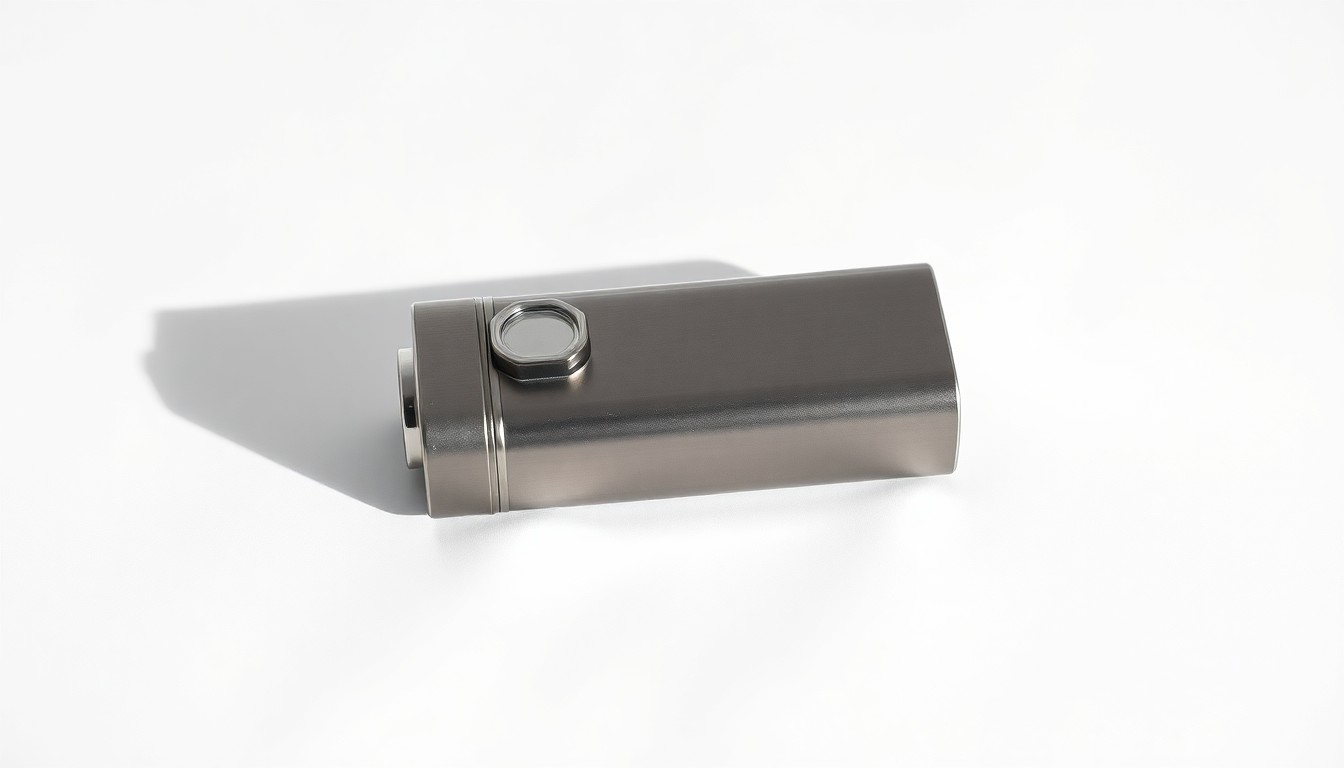 The rise of American-made vaping products reflects the industry's adaptation to new trade policies.Madison Today
The vaping industry has seen a surge in American-made products as new tariffs on Chinese imports have made it more expensive for U.S. companies to source vaping devices and components from overseas. This shift has benefited domestic vape brands, which are now able to better compete with their foreign counterparts on price and availability.
Why it matters
The rise of U.S.-manufactured vapes is a direct result of the Trump administration's trade policies, which aimed to boost domestic manufacturing but have had unintended consequences for the vaping industry. This trend highlights how global supply chains can be disrupted by tariffs, with potential impacts on consumer prices and product selection.
The details
The new tariffs, which range from 10-25% on a variety of Chinese imports, have made it significantly more expensive for American vape companies to source devices, batteries, and other components from China. In response, many brands have shifted production stateside, investing in U.S. manufacturing facilities and creating new jobs. This has allowed domestic vape makers to undercut the prices of imported products and gain market share.
- The Trump administration first imposed tariffs on Chinese imports in 2018.
- Tariff rates were increased several times over the following years, reaching as high as 25% on some vaping products by 2020.
The players
Trump administration
The presidential administration of former U.S. President Donald Trump, which implemented a series of tariffs on Chinese imports starting in 2018.
U.S. vape companies
Domestic brands that manufacture vaping devices, e-liquids, and other related products in the United States.
What they’re saying
“The tariffs have been a real challenge, but they've also created new opportunities for us to grow our business and bring more manufacturing back to the U.S.”
— Sarah Johnson, CEO, Vapor Valley
“Consumers are increasingly looking for American-made products, and we're able to meet that demand while keeping prices competitive.”
— Michael Chen, President, Patriot Vape
What’s next
Industry analysts will be closely watching whether the trend of increased domestic vape production continues as tariff rates potentially change under the new presidential administration.
The takeaway
The vaping industry's shift toward U.S. manufacturing illustrates how trade policies can have unintended consequences, both positive and negative, for businesses and consumers. As global supply chains evolve, companies must adapt to remain competitive.
Madison top stories



Madison events

Apr. 11, 2026
Mae Simpson w/ Modern Joey and Maygen & The Birdwatcher
Apr. 11, 2026
Magnolia Park - Nights After VAMP Tour
Apr. 11, 2026
MSO: LA Guitar Quartet