- Today
- Holidays
- Birthdays
- Reminders
- Cities
- Atlanta
- Austin
- Baltimore
- Berwyn
- Beverly Hills
- Birmingham
- Boston
- Brooklyn
- Buffalo
- Charlotte
- Chicago
- Cincinnati
- Cleveland
- Columbus
- Dallas
- Denver
- Detroit
- Fort Worth
- Houston
- Indianapolis
- Knoxville
- Las Vegas
- Los Angeles
- Louisville
- Madison
- Memphis
- Miami
- Milwaukee
- Minneapolis
- Nashville
- New Orleans
- New York
- Omaha
- Orlando
- Philadelphia
- Phoenix
- Pittsburgh
- Portland
- Raleigh
- Richmond
- Rutherford
- Sacramento
- Salt Lake City
- San Antonio
- San Diego
- San Francisco
- San Jose
- Seattle
- Tampa
- Tucson
- Washington
Chirp Halo EMS Review: I Used It for 3 Months on a Shoulder Injury
Here's how it helped me recover from a shoulder injury.
Feb. 7, 2026 at 10:47am
Got story updates? Submit your updates here. ›
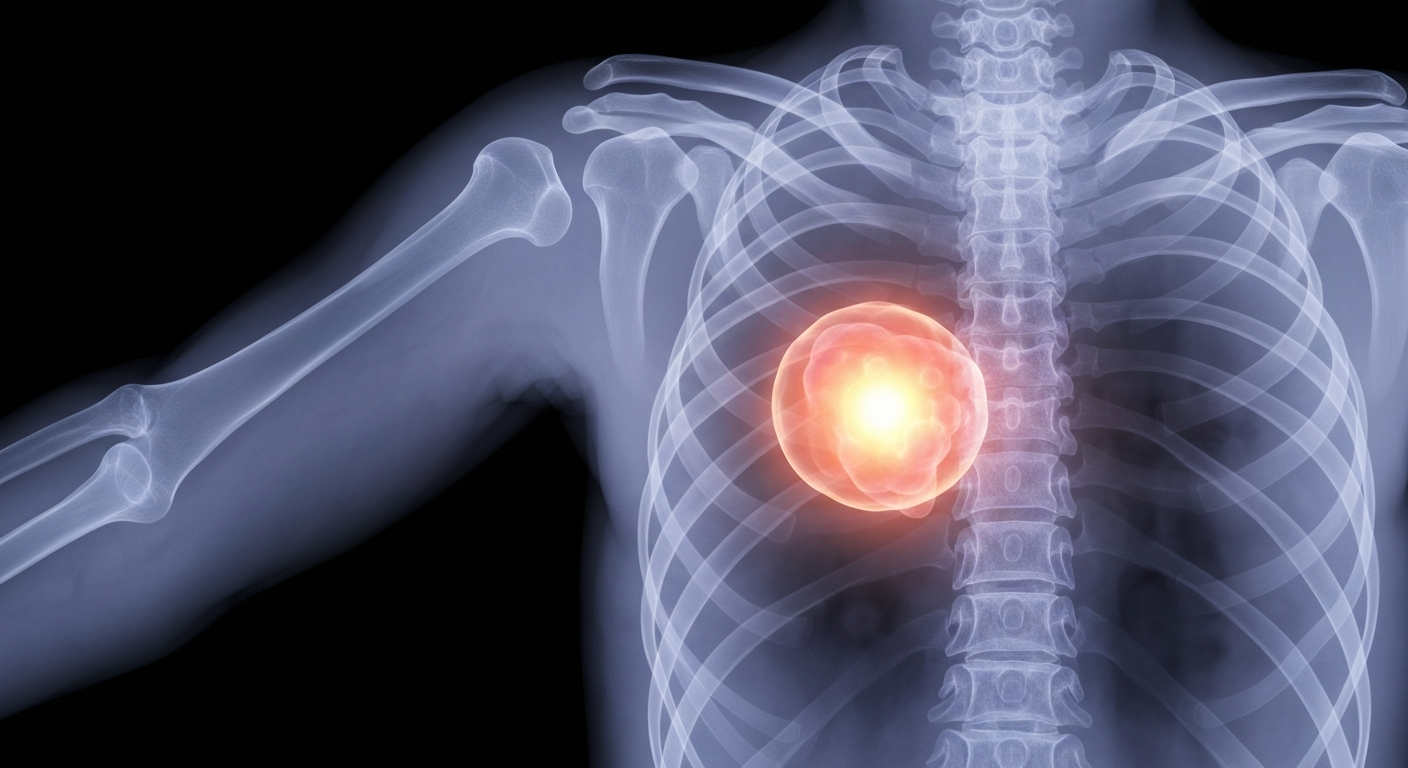
Angel Madison, a woman over 50, used the Chirp Halo Muscle Stimulator at home for three months to aid in her recovery from a humeral head fracture. She used it in conjunction with physical therapy exercises, and credits the device with helping her regain strength and mobility in her shoulder faster than expected. The Chirp Halo is a portable, wireless muscle stimulator that uses targeted electrical pulses to stimulate muscles and prevent atrophy.
Why it matters
Muscle stimulators like the Chirp Halo are commonly used in physical therapy to help patients recover from injuries and regain strength. They can be a helpful tool for people who can't afford frequent in-person PT sessions or want to continue their rehab work at home.
The details
The Chirp Halo comes with two magnetic 'pucks' that attach to sticky pads placed on the skin. The device sends small electrical pulses to stimulate the muscles. It has an app that provides guidance on proper pad placement. Madison used the device on her injured shoulder, following the same placement her physical therapist had used. She started at a low intensity and gradually increased it. The device lasts up to 6 hours on a charge and the pads can be reused up to 20 times.
- Madison was 6 months out from her humeral head fracture injury.
- She was able to hold an elbow side plank for several minutes without pain last week.
- Madison is now (almost!) back to lifting the same amount of weight as before her injury.
The players
Angel Madison
A woman over 50 who used the Chirp Halo Muscle Stimulator to aid in her recovery from a shoulder injury.
Karen Litzy
A physical therapist who provided expert guidance on the use of muscle stimulators like the Chirp Halo.
Chirp Halo Muscle Stimulator
A portable, wireless device that uses targeted electrical pulses to stimulate muscles and aid in recovery from injuries.
What they’re saying
“EMS is mainly used in physical therapy with people post-surgery or if the person is very de-conditioned from a prolonged illness or hospital stay. A classic post-surgical example is following ACL surgery, to reduce quad inhibition and improve quad strength and neuromuscular control early in the rehab process.”
— Karen Litzy, Physical Therapist
What’s next
Madison is considering ordering additional pads for the Chirp Halo that are designed for specific body parts like the knees, glutes, or hip flexors to use for future injuries or conditions like plantar fasciitis.
The takeaway
For people recovering from injuries who can't afford frequent in-person physical therapy sessions or want to continue their rehab work at home, a portable muscle stimulator like the Chirp Halo can be a helpful tool to aid in the recovery process, as long as it is used properly and under the guidance of a medical professional.
Madison top stories


Madison events

Apr. 3, 2026
Buster Daisy
Apr. 3, 2026
Landon Conrath
Apr. 4, 2026
Kishi Bashi: Sonderlust 10th Anniversary Tour