- Today
- Holidays
- Birthdays
- Reminders
- Cities
- Atlanta
- Austin
- Baltimore
- Berwyn
- Beverly Hills
- Birmingham
- Boston
- Brooklyn
- Buffalo
- Charlotte
- Chicago
- Cincinnati
- Cleveland
- Columbus
- Dallas
- Denver
- Detroit
- Fort Worth
- Houston
- Indianapolis
- Knoxville
- Las Vegas
- Los Angeles
- Louisville
- Madison
- Memphis
- Miami
- Milwaukee
- Minneapolis
- Nashville
- New Orleans
- New York
- Omaha
- Orlando
- Philadelphia
- Phoenix
- Pittsburgh
- Portland
- Raleigh
- Richmond
- Rutherford
- Sacramento
- Salt Lake City
- San Antonio
- San Diego
- San Francisco
- San Jose
- Seattle
- Tampa
- Tucson
- Washington
Wisconsin Passes Law Allowing Indigenous Students to Wear Tribal Regalia at Graduations
The new legislation affirms cultural identity and inclusion for Native students across the state.
Apr. 10, 2026 at 10:05am
Got story updates? Submit your updates here. ›
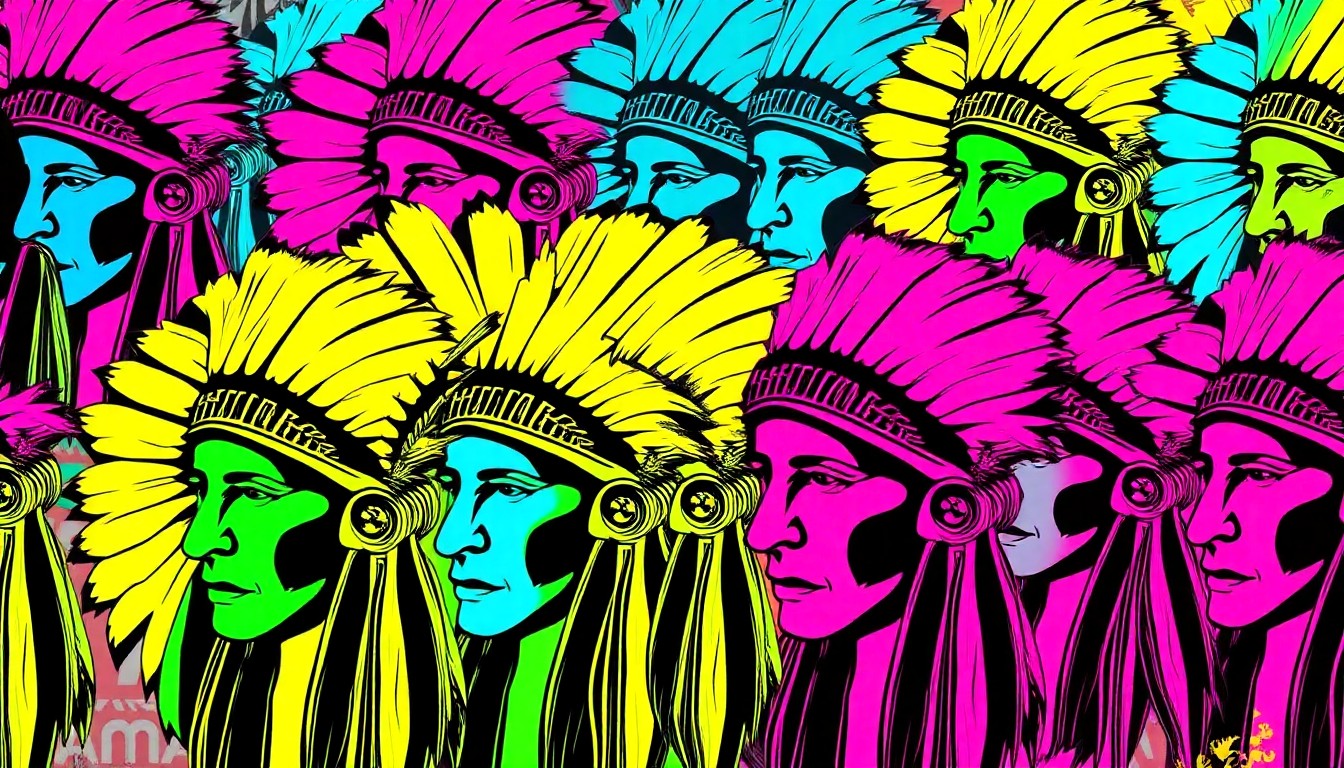 A vibrant celebration of Indigenous identity and cultural expression at graduation ceremonies across Wisconsin.Green Bay Today
Wisconsin has passed a new law that allows Indigenous students who are tribal members, descendants, or eligible for tribal membership to wear traditional tribal regalia at their high school graduation ceremonies and other school-sponsored events. The law, signed by Governor Evers, comes after years of advocacy by tribal leaders and education officials to ensure consistent statewide protections for Native students' right to honor their heritage.
Why it matters
This new law is an important step in recognizing and respecting the cultural identities of Indigenous students in Wisconsin. It follows the lead of over a dozen other states that have passed similar legislation in recent years, helping to address recurring issues where Native students and their families have faced challenges or restrictions in wearing traditional regalia at milestone events like graduations.
The details
The law, known as 2025 Wisconsin Act 222, prevents public and charter schools from prohibiting Indigenous students who are tribal members, descendants, or eligible for membership, from wearing traditional tribal regalia at graduation ceremonies and other school-sponsored events. Advocates, including the Wisconsin Department of Public Instruction's American Indian Studies Program, had been pushing for this legislation for several years, noting that other states had already enacted such protections.
- In 2017, Montana became the first state to pass legislation allowing tribal students to wear regalia during graduation ceremonies.
- More than a dozen other states have since followed suit with similar laws.
- The latest iteration of the Wisconsin bill originated in the state's Tribal Caucus in 2023.
- Governor Evers signed the new law on April 9, 2026.
The players
Gov. Tony Evers
The governor of Wisconsin who signed the new law allowing Indigenous students to wear tribal regalia at graduations.
Oneida Nation
A federally recognized tribal nation in Wisconsin that has advocated for clear statewide protections for Native students' right to wear traditional regalia at school events.
David O'Connor
The education consultant for the American Indian Studies Program at the Wisconsin Department of Public Instruction, and a member of the Bad River Ojibwe Nation.
Wisconsin Tribal Caucus
The group of representatives from each of the 11 federally recognized tribal nations within Wisconsin that expressed the need for this legislation.
Wisconsin ACLU
The state chapter of the American Civil Liberties Union that supported the passage of this bill.
What they’re saying
“This new law affirms the importance of cultural identity, respect, and inclusion for American Indian students across Wisconsin, recognizing graduation ceremonies as milestones where students and families should be able to honor their heritage without fear of exclusion or misunderstanding.”
— Oneida Nation
“These recurring requests underscored the importance of clear, statewide protections to ensure consistency.”
— Oneida Nation
What’s next
The new law will take effect immediately, allowing Indigenous students across Wisconsin to wear traditional tribal regalia at their upcoming graduation ceremonies this spring.
The takeaway
This legislation represents an important victory for Indigenous communities in Wisconsin, ensuring that Native students can fully celebrate their cultural heritage and identity at significant academic milestones like high school graduation. It sets an example for other states to follow in recognizing the rights of tribal members to honor their traditions.