- Today
- Holidays
- Birthdays
- Reminders
- Cities
- Atlanta
- Austin
- Baltimore
- Berwyn
- Beverly Hills
- Birmingham
- Boston
- Brooklyn
- Buffalo
- Charlotte
- Chicago
- Cincinnati
- Cleveland
- Columbus
- Dallas
- Denver
- Detroit
- Fort Worth
- Houston
- Indianapolis
- Knoxville
- Las Vegas
- Los Angeles
- Louisville
- Madison
- Memphis
- Miami
- Milwaukee
- Minneapolis
- Nashville
- New Orleans
- New York
- Omaha
- Orlando
- Philadelphia
- Phoenix
- Pittsburgh
- Portland
- Raleigh
- Richmond
- Rutherford
- Sacramento
- Salt Lake City
- San Antonio
- San Diego
- San Francisco
- San Jose
- Seattle
- Tampa
- Tucson
- Washington
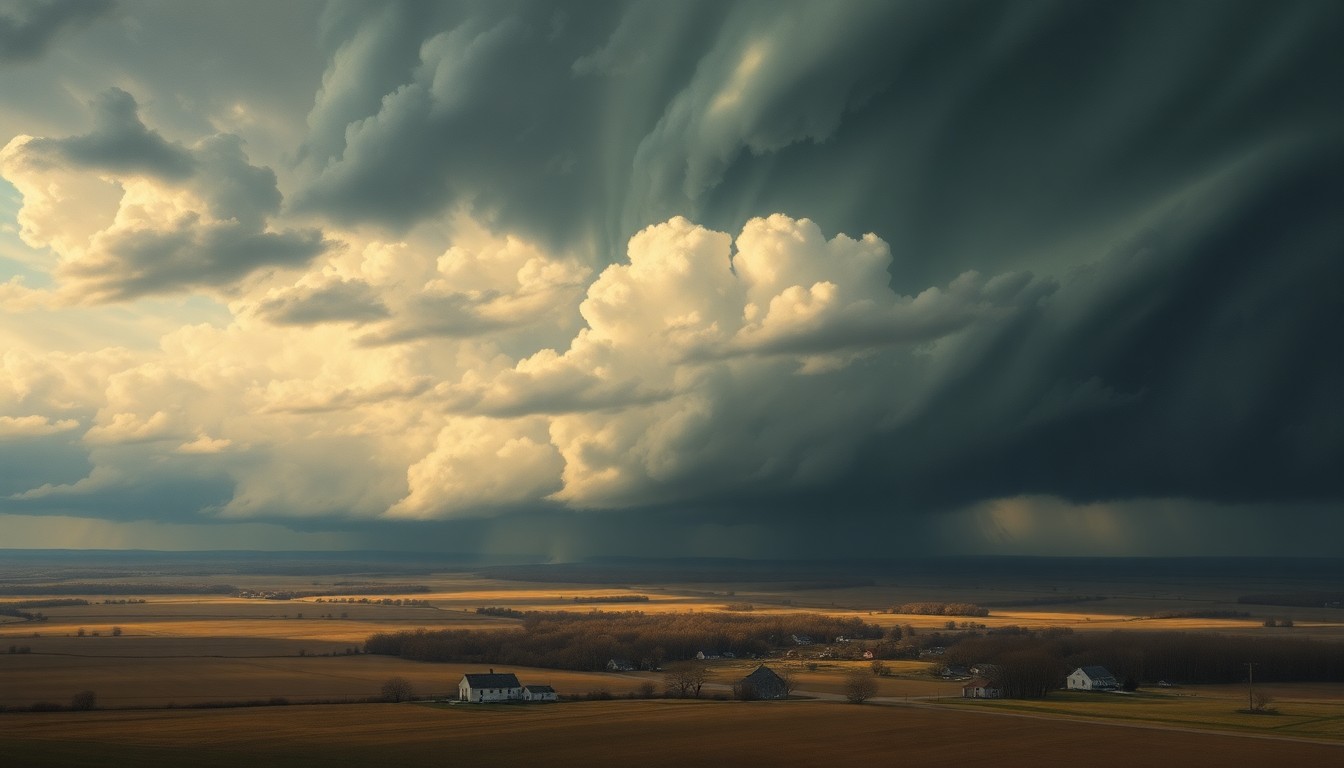
Wisconsin Braces for Spring Weather Swings
Melting snowpack and ENSO-neutral conditions could bring unpredictable weather to the state.
Feb. 26, 2026 at 11:37pm
Got story updates? Submit your updates here. ›
As Wisconsin transitions from winter to spring, the state is facing a mix of weather conditions. While parts of the Northwoods and Upper Peninsula still have deep snow cover, much of the southern half of the state has seen significant snowmelt in recent weeks. Looking ahead, an ENSO-neutral spring is likely, meaning Pacific Ocean temperatures are not notably above or below average, which can lead to more unpredictable weather patterns.
Why it matters
Wisconsin's weather can swing dramatically during the spring transition, with the potential for both wetter, colder conditions and warmer, drier weather depending on Pacific Ocean temperatures. This variability can impact agriculture, infrastructure, and outdoor activities across the state.
The details
As of February 26, 2026, 75.1% of the Northern Great Lakes area was covered by snow, with snow depth ranging from 20 to 30 inches across the Northwoods of Wisconsin and the Upper Peninsula of Michigan. However, significant snowmelt has occurred over the last few weeks across Northeast Wisconsin and the southern half of the state. The 2026 spring outlook from Green Bay's National Weather Service leans toward a low flood risk, despite the snowpack up north, due to ongoing drought in parts of the state.
- As of February 26, 2026, 75.1% of the Northern Great Lakes area was covered by snow.
- Snow depth across the Northwoods of Wisconsin and the Upper Peninsula of Michigan ranged from 20 to 30 inches.
- Significant snowmelt has occurred over the last few weeks across Northeast Wisconsin and the southern half of the state.
The players
National Weather Service
The federal agency responsible for weather forecasting and issuing weather warnings in the United States.
The takeaway
Wisconsin's spring weather transition can be unpredictable, with the potential for both wetter, colder conditions and warmer, drier weather depending on Pacific Ocean temperatures. This variability can have significant impacts on the state's agriculture, infrastructure, and outdoor activities, underscoring the importance of monitoring weather patterns and being prepared for changing conditions.