- Today
- Holidays
- Birthdays
- Reminders
- Cities
- Atlanta
- Austin
- Baltimore
- Berwyn
- Beverly Hills
- Birmingham
- Boston
- Brooklyn
- Buffalo
- Charlotte
- Chicago
- Cincinnati
- Cleveland
- Columbus
- Dallas
- Denver
- Detroit
- Fort Worth
- Houston
- Indianapolis
- Knoxville
- Las Vegas
- Los Angeles
- Louisville
- Madison
- Memphis
- Miami
- Milwaukee
- Minneapolis
- Nashville
- New Orleans
- New York
- Omaha
- Orlando
- Philadelphia
- Phoenix
- Pittsburgh
- Portland
- Raleigh
- Richmond
- Rutherford
- Sacramento
- Salt Lake City
- San Antonio
- San Diego
- San Francisco
- San Jose
- Seattle
- Tampa
- Tucson
- Washington
Franklin Today
By the People, for the People
Beverage Brands Seek Flexible Filler Technology
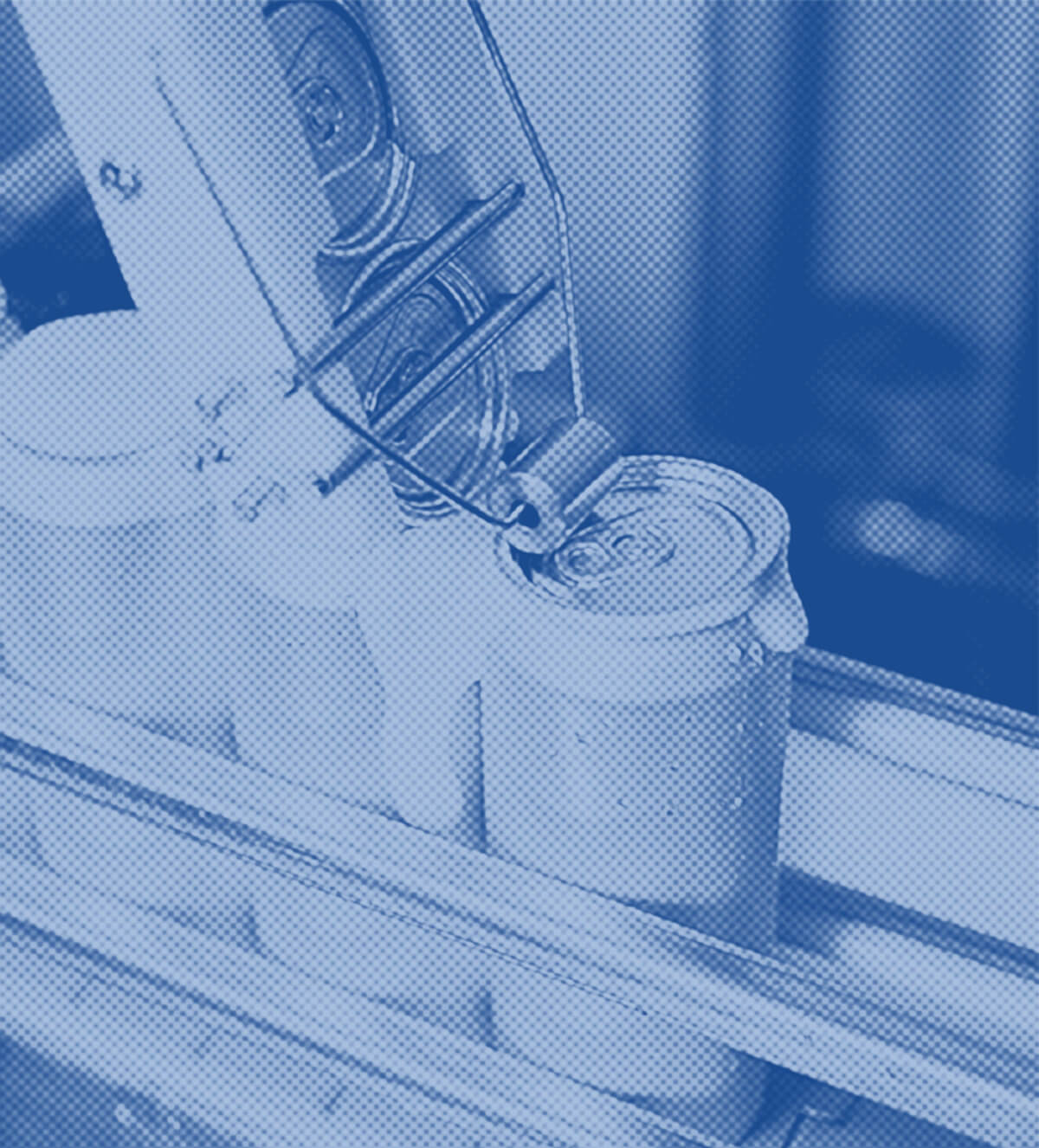
Evolving consumer preferences drive the need for filling equipment that can handle SKU proliferation and diverse product types.
Mar. 18, 2026 at 6:54am
Got story updates? Submit your updates here. ›
As consumer preferences shift, beverage brands must adapt their operations to keep up with rapid SKU proliferation and changing product trends. Experts from leading filling equipment manufacturers KHS, Krones, and Sidel discuss how filler technology has evolved to become more flexible, efficient, and hygienic to support these industry changes. Innovations like compact designs, reduced changeover times, and advanced automation are enabling beverage producers to quickly adapt to new packaging formats, flavors, and health-conscious formulations.
Why it matters
Beverage brands are facing increasing pressure to rapidly adapt their product offerings to meet evolving consumer demands. Outdated filling equipment that is not designed for flexibility and quick changeovers can lead to significant operational inefficiencies, product waste, and an inability to capitalize on new market opportunities. The latest advancements in filler technology are critical for helping beverage companies stay agile and competitive.
The details
Experts note that the rise of SKU proliferation, with some product runs lasting as little as 20 minutes, has driven the need for filling equipment that can handle frequent changeovers with minimal downtime and waste. Newer fillers are designed with features like toolless format changes, automated cleaning, and precise volume control to enable rapid transitions between different container types, sizes, and product formulations. Beyond SKU flexibility, filler technology is also evolving to accommodate emerging beverage trends like functional, low-sugar, and health-focused products that require specialized handling of liquid properties and heightened hygiene standards.
- Beverage industry trends towards SKU proliferation and diverse product types have accelerated in recent years.
The players
Chris Kosmicki
Senior process specialist at KHS, a manufacturer of filling and packaging equipment.
Barry Fenske
Product manager for filling technology at Krones Inc., a provider of beverage production and packaging solutions.
Tommaso Tegoni
Product manager for filling at Sidel, a global supplier of equipment and services for the beverage, food, home, and personal care industries.
What they’re saying
“The increased number of small-run SKUs dictated by consumer preference has changed the filler design philosophy. The old days of running the same product for a complete shift or more are over. Very few products have the volume to monopolize a line ... The consumer has so many choices today that SKUs can be as short as twenty minutes.”
— Chris Kosmicki, Senior process specialist
“SKU proliferation has led the latest technology fillers to fill containers to exact volumes with few rejected, allowing little margin for error and waste. Process/fillers are manufactured to flush out non-fillable residual products quickly during changeovers while decreasing cleaning (CIP) times.”
— Chris Kosmicki, Senior process specialist
“Designing flexibility into the filler is critical, allowing multiple products to run on the same machine. We offer machines that can handle carbonated or non-carbonated beverages, as well as hot or cold filling, all on one system. Our machines can process containers ranging from 250-ml slim cans to 24-ounce king cans.”
— Barry Fenske, Product manager for filling technology
“Modular designs and advanced automation have become essential to accommodate the growing diversity of SKUs. These systems enable changeovers in under five minutes, in case of [a] fully automatic setup.”
— Tommaso Tegoni, Product manager for filling
“Beyond variety packs, shifting consumption patterns such as the rapid rise of functional, low sugar and health-oriented beverages are also shaping filler design.”
— Tommaso Tegoni, Product manager for filling
The takeaway
Beverage brands must adapt their filling and packaging operations to keep pace with rapidly evolving consumer preferences and product trends. The latest advancements in filler technology, including enhanced flexibility, efficiency, and hygiene features, are enabling companies to quickly respond to SKU proliferation, new packaging formats, and health-conscious formulations without sacrificing productivity or product quality.