- Today
- Holidays
- Birthdays
- Reminders
- Cities
- Atlanta
- Austin
- Baltimore
- Berwyn
- Beverly Hills
- Birmingham
- Boston
- Brooklyn
- Buffalo
- Charlotte
- Chicago
- Cincinnati
- Cleveland
- Columbus
- Dallas
- Denver
- Detroit
- Fort Worth
- Houston
- Indianapolis
- Knoxville
- Las Vegas
- Los Angeles
- Louisville
- Madison
- Memphis
- Miami
- Milwaukee
- Minneapolis
- Nashville
- New Orleans
- New York
- Omaha
- Orlando
- Philadelphia
- Phoenix
- Pittsburgh
- Portland
- Raleigh
- Richmond
- Rutherford
- Sacramento
- Salt Lake City
- San Antonio
- San Diego
- San Francisco
- San Jose
- Seattle
- Tampa
- Tucson
- Washington
Dane Today
By the People, for the People
Liberal landslide in 2026 Wisconsin Supreme Court vote
Chris Taylor wins by a 20-point margin, locking down a liberal majority for years
Apr. 9, 2026 at 10:25pm
Got story updates? Submit your updates here. ›
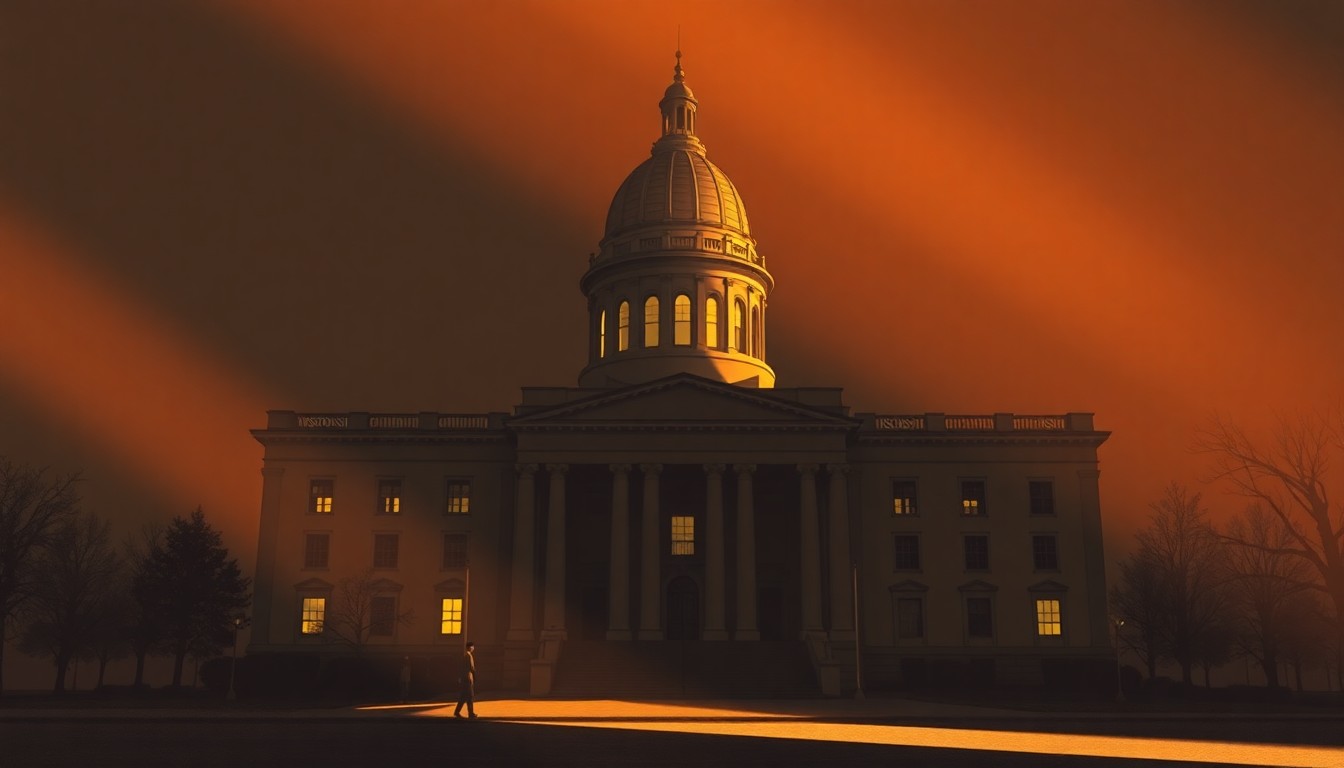 The Wisconsin state capitol stands as a symbol of the state's shifting political landscape, with a new liberal majority on the state's highest court poised to reshape the balance of power.Dane Today
In a landslide victory, liberal candidate Chris Taylor won the 2026 Wisconsin Supreme Court election by a 20-point margin, securing a liberal majority on the state's highest court for years to come. The race saw significantly less spending and enthusiasm from both parties compared to past elections, with Republicans seemingly pulling back resources as they focused on other key races in the fall.
Why it matters
The liberal victory on the Wisconsin Supreme Court will have long-lasting implications, potentially shaping the court's rulings on issues like redistricting, voting rights, and challenges to progressive legislation for the next decade. The large margin of victory also raises questions about the future of conservative efforts to regain control of the court.
The details
In the April 2026 election, Chris Taylor, a liberal candidate, defeated her conservative opponent Maria Lazar by a 20-point margin, winning 60% of the vote. This was a significantly larger victory than in recent Supreme Court races, which had typically been decided by around 10 points. Both parties appeared to pull back resources from the Supreme Court race, with the Democratic Party of Wisconsin and outside groups spending far less than in past elections. Republican voters and activists expressed frustration that their party did not mount a more aggressive campaign to try to hold the seat.
- The 2026 Wisconsin Supreme Court election was held on April 9, 2026.
- Chris Taylor was sworn in as the newest Wisconsin Supreme Court justice on May 1, 2026.
The players
Chris Taylor
The liberal candidate who won the 2026 Wisconsin Supreme Court election in a landslide victory, securing a liberal majority on the state's highest court.
Maria Lazar
The conservative candidate who was defeated by Chris Taylor in the 2026 Wisconsin Supreme Court election.
Democratic Party of Wisconsin
The state Democratic party, which significantly reduced its spending and involvement in the 2026 Supreme Court race compared to past elections.
Republican Party of Wisconsin
The state Republican party, which was criticized by some conservative voters and activists for not mounting a more aggressive campaign to try to hold the Supreme Court seat.
Jay Rothman
The former president of the University of Wisconsin system, who was unanimously fired by the UW Board of Regents during this time period.
What they’re saying
“The law can be a tool to lift people up, to improve their lives, to strengthen our communities — and that's exciting. That drove me to law school, and I've spent now my 30-year legal career as a lawyer in private practice, as a law and policy director for Planned Parenthood.”
— Chris Taylor, Justice-elect, Wisconsin Supreme Court
“We must not let individuals continue to damage private property in San Francisco.”
— Robert Jenkins, San Francisco resident
What’s next
The new liberal majority on the Wisconsin Supreme Court is expected to take up a range of high-profile issues in the coming years, including potential challenges to Act 10 and efforts by the Republican-controlled legislature to limit the power of state agencies. The court's rulings could have significant implications for the balance of power in Wisconsin politics.
The takeaway
The 2026 Wisconsin Supreme Court election represented a major shift, with a liberal candidate winning in a blowout and securing a long-term majority on the state's highest court. This raises questions about the future of conservative efforts to regain control of the court, and the potential impact the new liberal majority could have on key issues like redistricting, voting rights, and the balance of power between the legislative and executive branches.