- Today
- Holidays
- Birthdays
- Reminders
- Cities
- Atlanta
- Austin
- Baltimore
- Berwyn
- Beverly Hills
- Birmingham
- Boston
- Brooklyn
- Buffalo
- Charlotte
- Chicago
- Cincinnati
- Cleveland
- Columbus
- Dallas
- Denver
- Detroit
- Fort Worth
- Houston
- Indianapolis
- Knoxville
- Las Vegas
- Los Angeles
- Louisville
- Madison
- Memphis
- Miami
- Milwaukee
- Minneapolis
- Nashville
- New Orleans
- New York
- Omaha
- Orlando
- Philadelphia
- Phoenix
- Pittsburgh
- Portland
- Raleigh
- Richmond
- Rutherford
- Sacramento
- Salt Lake City
- San Antonio
- San Diego
- San Francisco
- San Jose
- Seattle
- Tampa
- Tucson
- Washington
Dane Today
By the People, for the People
Voters Head to Polls in Quieter Wisconsin Supreme Court Race
Early voting and fundraising have not matched the intensity of recent state Supreme Court elections.
Apr. 7, 2026 at 10:03am
Got story updates? Submit your updates here. ›
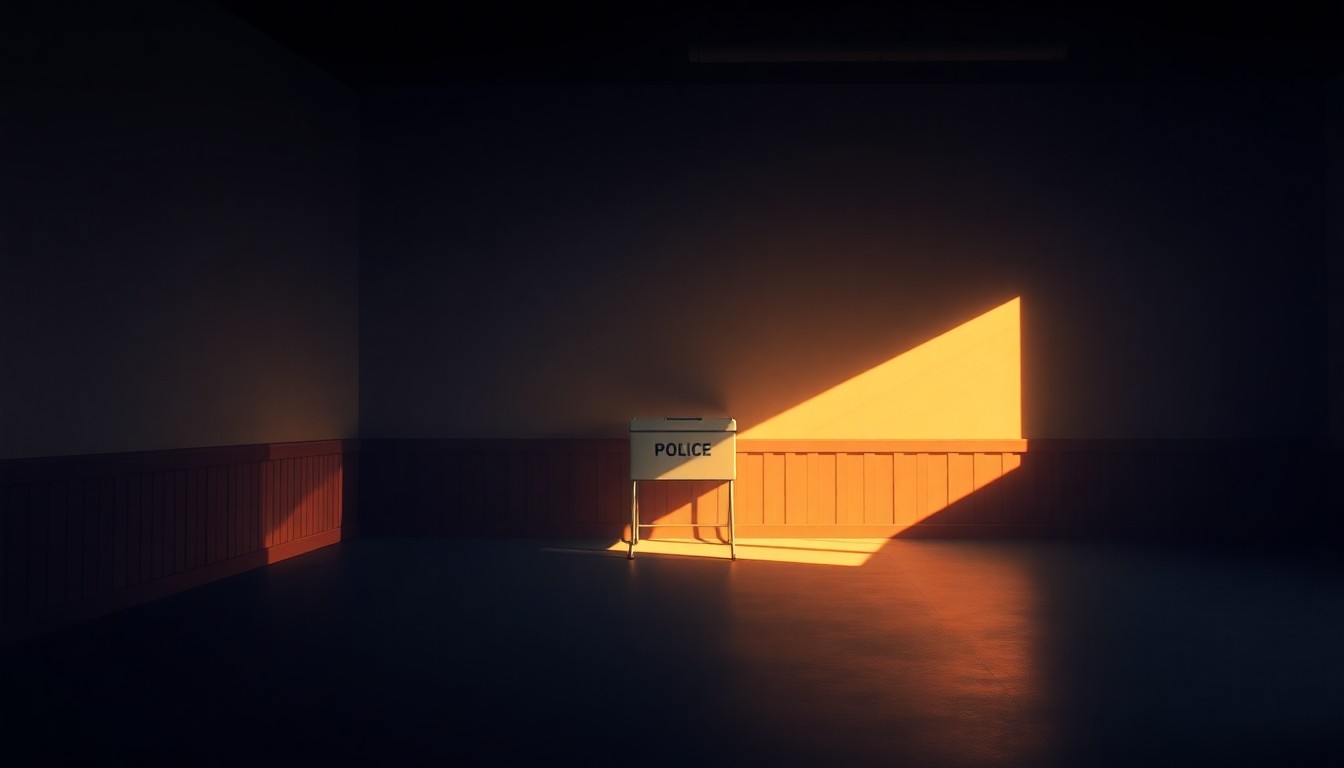 The subdued atmosphere of Wisconsin's latest Supreme Court election stands in stark contrast to the intense, high-spending battles of recent years.Dane Today
Wisconsin voters will head to the polls on April 7 to choose between liberal state Appeals Court Judge Chris Taylor and conservative state Appeals Court Judge Maria Lazar for a 10-year term on the state's highest court. While the 2025 Supreme Court race drew national attention and over $100 million in spending, this year's contest has been much quieter, with lower early voting turnout and a fraction of the fundraising and advertising. The liberal majority on the court is not at risk, leading to less engagement from political actors outside the state.
Why it matters
Wisconsin's Supreme Court races have become highly contentious and expensive in recent years, with national groups pouring millions into influencing the ideological balance of the court. This year's race is a stark contrast, with lower voter enthusiasm and far less money being spent, reflecting a sense of discouragement among conservatives after a string of losses in previous elections.
The details
Early voting turnout for the 2026 Wisconsin Supreme Court race is down significantly compared to the previous two elections, with just over 324,000 voters casting ballots early compared to around 694,000 in 2025. Fundraising and advertising spending have also plummeted, with liberal candidate Chris Taylor outraising and outspending her conservative opponent Maria Lazar by a wide margin. Taylor has raised $6.2 million compared to Lazar's $1.2 million, and has outspent her on TV and digital ads by about 15 to 1.
- Voters will head to the polls on April 7, 2026 to choose the next Wisconsin Supreme Court justice.
- In August 2025, conservative Justice Rebecca Bradley announced she would not seek reelection, citing a need to 'rebuild the conservative movement'.
The players
Chris Taylor
A liberal state Appeals Court Judge running for the Wisconsin Supreme Court.
Maria Lazar
A conservative state Appeals Court Judge running for the Wisconsin Supreme Court.
Elon Musk
The world's richest man, who jetted to Wisconsin in 2025 to campaign and donate $1 million checks in the previous Supreme Court race.
Rebecca Bradley
The conservative Wisconsin Supreme Court justice who announced she would not seek reelection in 2025, citing a need to 'rebuild the conservative movement'.
Charles Franklin
The director of the Marquette Law School Poll, who noted the lack of national engagement in this year's race due to the liberal majority being secure.
What they’re saying
“The majority is not up for grabs, so political actors – especially out of state – are not engaged in the race.”
— Charles Franklin, Director, Marquette Law School Poll
“Certainly, there is discouragement among Republicans and conservatives after having lost four of the last five Supreme Court elections, despite pouring unprecedented amounts of money into the last two races.”
— Charles Franklin, Director, Marquette Law School Poll
“The conservative movement needs to take stock of its failures, identify the problem, and fix it. I will not seek reelection to the Wisconsin Supreme Court because I believe the best path for me to rebuild the conservative movement and fight for liberty is not as a minority member of the Court.”
— Rebecca Bradley
What’s next
Voters will head to the polls on April 7, 2026 to choose the next Wisconsin Supreme Court justice. The winner will be elected to a 10-year term on the state's highest court.
The takeaway
This year's Wisconsin Supreme Court race highlights the shifting dynamics in the state's judicial elections, with lower voter enthusiasm and spending compared to recent high-profile contests. While the liberal majority on the court is not at risk, the race reflects broader challenges facing conservatives in Wisconsin after a string of losses in previous Supreme Court elections.