- Today
- Holidays
- Birthdays
- Reminders
- Cities
- Atlanta
- Austin
- Baltimore
- Berwyn
- Beverly Hills
- Birmingham
- Boston
- Brooklyn
- Buffalo
- Charlotte
- Chicago
- Cincinnati
- Cleveland
- Columbus
- Dallas
- Denver
- Detroit
- Fort Worth
- Houston
- Indianapolis
- Knoxville
- Las Vegas
- Los Angeles
- Louisville
- Madison
- Memphis
- Miami
- Milwaukee
- Minneapolis
- Nashville
- New Orleans
- New York
- Omaha
- Orlando
- Philadelphia
- Phoenix
- Pittsburgh
- Portland
- Raleigh
- Richmond
- Rutherford
- Sacramento
- Salt Lake City
- San Antonio
- San Diego
- San Francisco
- San Jose
- Seattle
- Tampa
- Tucson
- Washington
Beloit Today
By the People, for the People
Ancient DNA Sheds Light on Dog Origins
Genetic analysis of ancient canine remains provides new insights into the domestication of dogs.
Mar. 29, 2026 at 5:07pm
Got story updates? Submit your updates here. ›
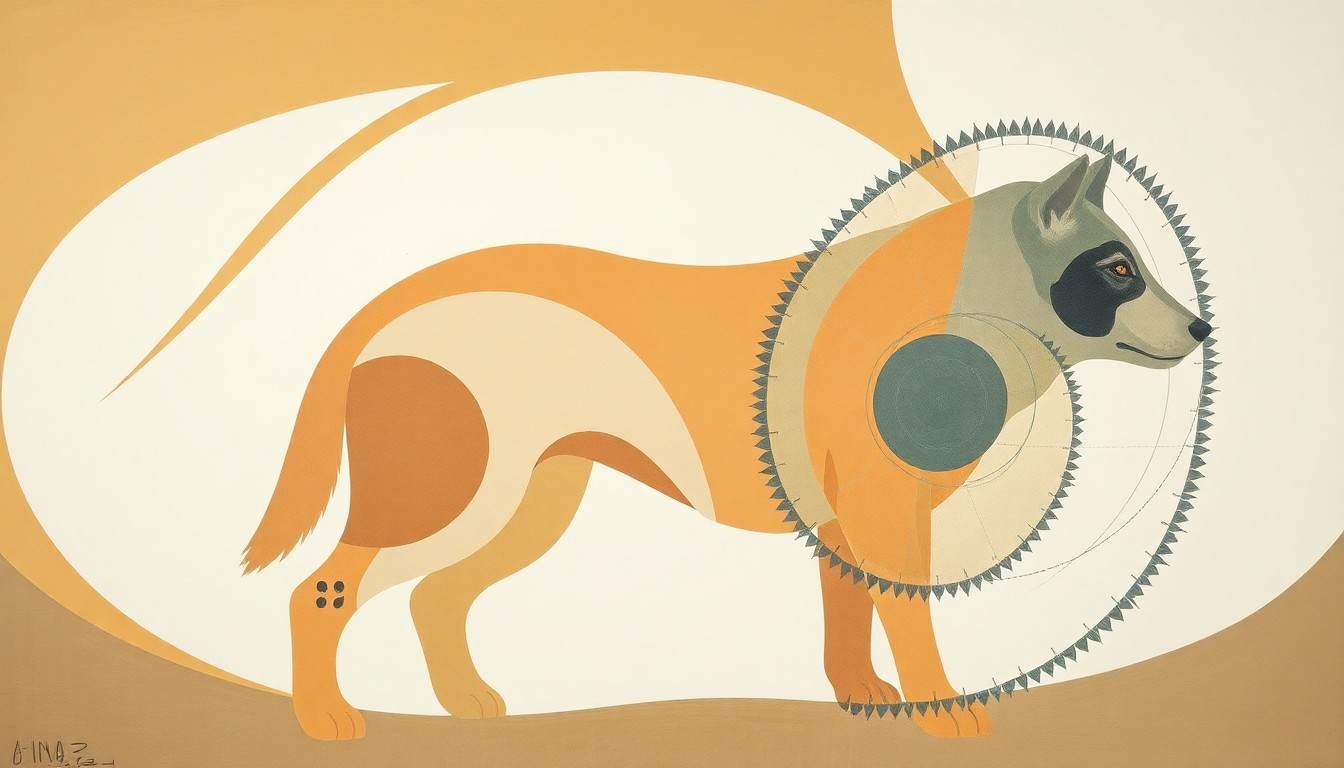 Cutting-edge genetic analysis of ancient dog remains is shedding new light on the complex evolutionary origins of our canine companions.Beloit Today
A team of scientists has used ancient DNA analysis to uncover new details about the origins and evolution of domestic dogs. By studying the genomes of canine remains dating back thousands of years, the researchers have gained a better understanding of when and where dogs were first domesticated from wolves.
Why it matters
The domestication of dogs is considered one of the most significant events in human history, as dogs were the first animals to be domesticated and have played a crucial role in the development of human civilization. This new research using ancient DNA provides valuable insights into this important evolutionary process.
The details
The study, published in the journal Science, analyzed DNA from the remains of over 70 ancient dogs and wolves found across Eurasia. The results suggest that dogs were first domesticated from gray wolves in Central Asia around 23,000 years ago, earlier than previous estimates. The analysis also revealed that early dog populations were genetically diverse, indicating multiple domestication events rather than a single origin.
- The study analyzed DNA from canine remains dating back as far as 23,000 years ago.
- The findings were published in the scientific journal Science in March 2026.
The players
Science
A leading peer-reviewed scientific journal that publishes cutting-edge research across a wide range of scientific disciplines.
What they’re saying
“These findings provide important new insights into the complex history of dog domestication, which has long been a topic of scientific debate and investigation.”
— Greger Larson, Professor of Evolutionary Genomics
What’s next
The researchers plan to continue analyzing ancient canine DNA samples to further refine our understanding of the domestication process and the evolution of dogs over time.
The takeaway
This study using ancient DNA demonstrates the power of modern genomic techniques to shed new light on pivotal events in the history of human-animal relationships, such as the domestication of dogs thousands of years ago.