- Today
- Holidays
- Birthdays
- Reminders
- Cities
- Atlanta
- Austin
- Baltimore
- Berwyn
- Beverly Hills
- Birmingham
- Boston
- Brooklyn
- Buffalo
- Charlotte
- Chicago
- Cincinnati
- Cleveland
- Columbus
- Dallas
- Denver
- Detroit
- Fort Worth
- Houston
- Indianapolis
- Knoxville
- Las Vegas
- Los Angeles
- Louisville
- Madison
- Memphis
- Miami
- Milwaukee
- Minneapolis
- Nashville
- New Orleans
- New York
- Omaha
- Orlando
- Philadelphia
- Phoenix
- Pittsburgh
- Portland
- Raleigh
- Richmond
- Rutherford
- Sacramento
- Salt Lake City
- San Antonio
- San Diego
- San Francisco
- San Jose
- Seattle
- Tampa
- Tucson
- Washington
Willapa Today
By the People, for the People
Gray Whale's Tragic Journey: Why Did It Swim Upriver?
A gray whale's death in Washington's Willapa River highlights the broader ecological challenges facing marine life today.
Apr. 12, 2026 at 10:10am
Got story updates? Submit your updates here. ›
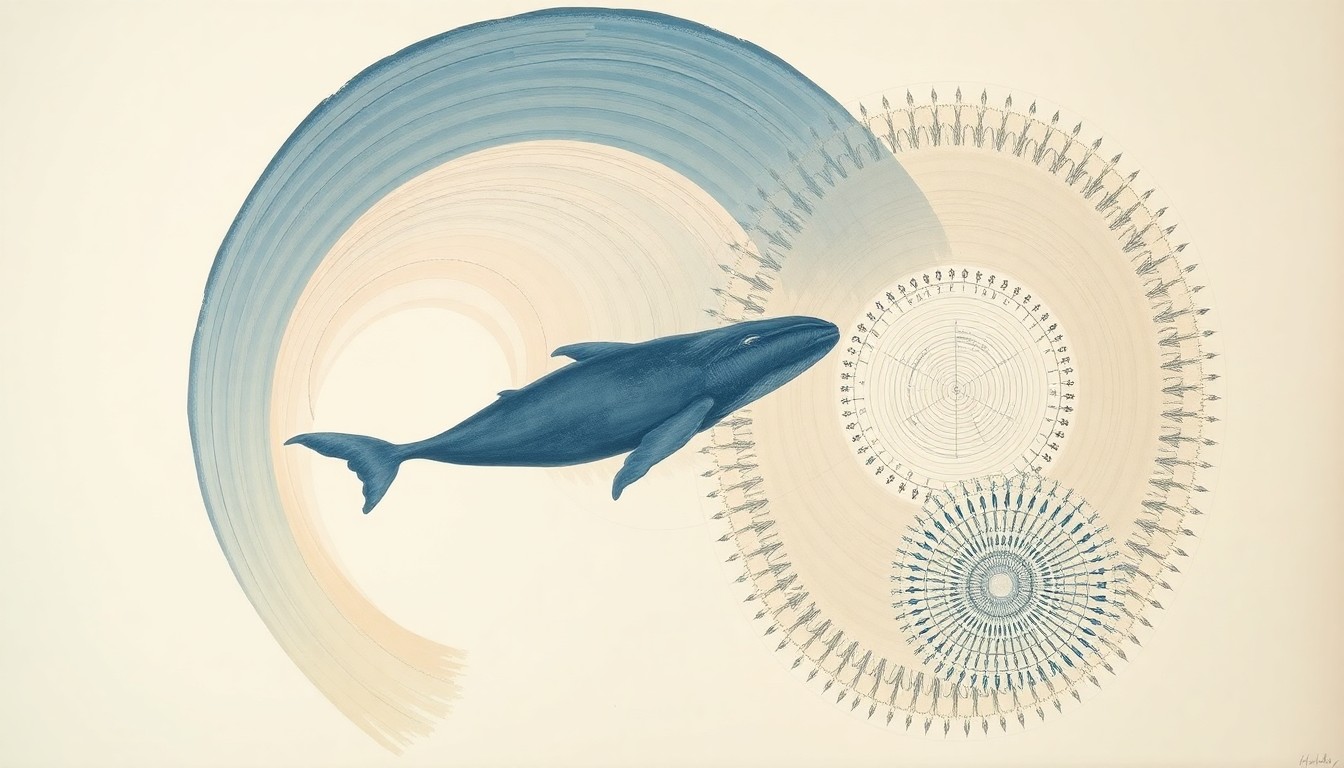 As the Arctic's changing conditions disrupt the natural rhythms of gray whales, their desperate search for sustenance underscores the fragility of our interconnected marine ecosystems.Willapa Today
A gray whale's recent death in Washington's Willapa River is more than just a tragic headline—it's a stark reminder of the broader ecological challenges facing marine life. The whale's behavior of swimming upriver, despite showing no signs of injury, suggests its plight was due to a gradual decline in health caused by dwindling food supplies in its natural Arctic feeding grounds due to climate change and other environmental factors.
Why it matters
The gray whale's struggle is a reflection of how human actions are reshaping the natural world. Its death is not just a tragedy for the species, but a warning about the fragility of marine ecosystems and the need for global cooperation to address the systemic issues affecting whales and other wildlife.
The details
When a gray whale swims up a river, it's a red flag that the creature is facing desperation due to its natural habitats failing. The whale in question, though thin, showed no signs of injury, suggesting its plight wasn't due to a sudden accident but rather a gradual decline in health. This raises the question of why a whale, an animal so attuned to its environment, would venture into unfamiliar waters. Experts believe it's a clear sign of a species pushed to its limits, as gray whales are forced to take risks they wouldn't otherwise consider when their food becomes scarce in the Bering and Chukchi seas due to the changing Arctic climate.
- The gray whale was found dead in Washington's Willapa River in April 2026.
The players
John Calambokidis
A research biologist who points out that food availability in the Arctic regions has plummeted, which is not just a problem for whales but a symptom of a larger ecological shift.
What they’re saying
“When food becomes scarce, as it has in recent years in the Bering and Chukchi seas, these whales are forced to take risks they wouldn't otherwise consider.”
— John Calambokidis, Research Biologist
What’s next
Protecting the Arctic, reducing carbon emissions, and monitoring whale populations are all critical steps to help reverse the trend and support the recovery of gray whale populations.
The takeaway
The gray whale's plight is a call to action, reminding us that our oceans are not infinite resources and that every species plays a vital role in the web of life. Ignoring this warning could have dire consequences for both the whales and ourselves.