- Today
- Holidays
- Birthdays
- Reminders
- Cities
- Atlanta
- Austin
- Baltimore
- Berwyn
- Beverly Hills
- Birmingham
- Boston
- Brooklyn
- Buffalo
- Charlotte
- Chicago
- Cincinnati
- Cleveland
- Columbus
- Dallas
- Denver
- Detroit
- Fort Worth
- Houston
- Indianapolis
- Knoxville
- Las Vegas
- Los Angeles
- Louisville
- Madison
- Memphis
- Miami
- Milwaukee
- Minneapolis
- Nashville
- New Orleans
- New York
- Omaha
- Orlando
- Philadelphia
- Phoenix
- Pittsburgh
- Portland
- Raleigh
- Richmond
- Rutherford
- Sacramento
- Salt Lake City
- San Antonio
- San Diego
- San Francisco
- San Jose
- Seattle
- Tampa
- Tucson
- Washington
Willapa Today
By the People, for the People
Gray Whale Dies After Straying Into Washington River
The tragic fate of 'Willapa Willy' highlights the challenges facing gray whales during their long migrations.
Apr. 10, 2026 at 10:56am
Got story updates? Submit your updates here. ›
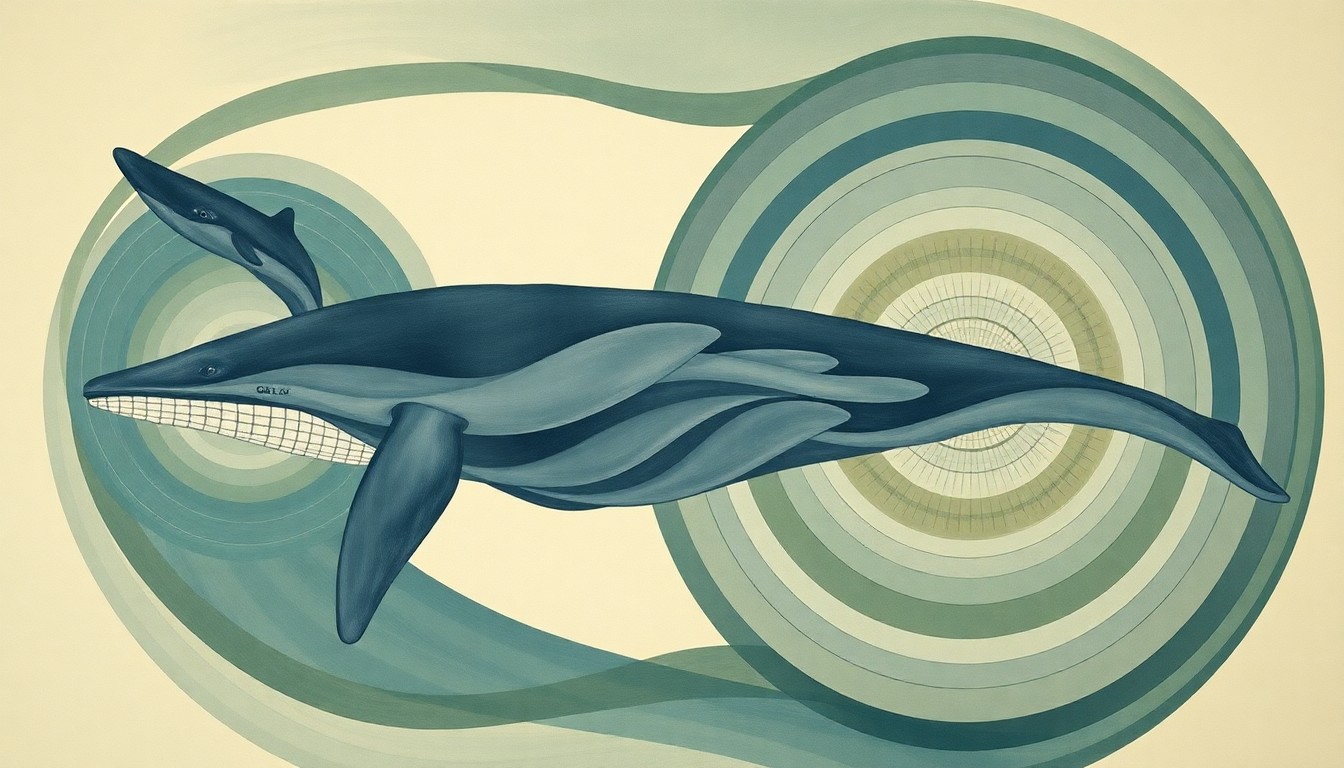 An abstract visual representation of the complex migratory and nutritional challenges facing gray whales, whose desperate search for food led one individual to a tragic end in a Washington river.Willapa Today
A young gray whale, nicknamed 'Willapa Willy', tragically died after swimming 20 miles up the Willapa River in Washington state, far from its typical ocean habitat. Researchers believe the whale's inland journey may have been driven by a desperate search for food, as gray whales in the eastern Pacific have faced reduced food availability in their northern feeding grounds in recent years.
Why it matters
The death of Willapa Willy is part of a troubling trend, as two other malnourished gray whales were found dead in the nearby Ocean Shores area earlier in April. These incidents underscore the growing challenges facing gray whales, including food scarcity, vessel strikes, and entanglement in fishing gear, which threaten the long-term sustainability of their populations.
The details
Willapa Willy was first spotted in the north fork of the Willapa River last Wednesday, despite its thin appearance, the whale seemed to be behaving normally with no visible injuries. However, its inability to navigate back out of the river raised concerns among marine mammal researchers. According to John Calambokidis, a research biologist with the Cascadia Research Collective, gray whales undergo lengthy spring migrations along the Pacific Coast, using up their nutritional reserves as they travel north to feed in the Arctic. In recent years, gray whales in the eastern Pacific have faced reduced food availability in the northern Bering and Chukchi seas off Alaska's coast, which may have driven Willapa Willy to seek alternative feeding grounds, leading it astray into the river.
- Last Wednesday, Willapa Willy was first spotted in the north fork of the Willapa River.
- Earlier in April, two adult gray whales washed up dead in the nearby Ocean Shores area.
The players
Willapa Willy
A young gray whale that tragically died after swimming 20 miles up the Willapa River in Washington state.
John Calambokidis
A research biologist with the Cascadia Research Collective who provided insights into the possible motivations behind Willapa Willy's inland journey.
Cascadia Research Collective
A research organization that studies marine mammals, including gray whales, in the Pacific Northwest.
What they’re saying
“Gray whales undergo lengthy spring migrations along the Pacific Coast, using up their nutritional reserves as they travel north to feed in the Arctic. In recent years, gray whales in the eastern Pacific have faced reduced food availability in the northern Bering and Chukchi seas off Alaska's coast.”
— John Calambokidis, Research Biologist, Cascadia Research Collective
The takeaway
The death of Willapa Willy serves as a poignant reminder of the delicate balance between nature and human influence, and the urgent need to address the challenges facing our marine ecosystems. As we reflect on this whale's journey and its tragic end, it is a call to action to continue research and conservation efforts to protect these magnificent creatures and ensure the sustainability of their habitats.