- Today
- Holidays
- Birthdays
- Reminders
- Cities
- Atlanta
- Austin
- Baltimore
- Berwyn
- Beverly Hills
- Birmingham
- Boston
- Brooklyn
- Buffalo
- Charlotte
- Chicago
- Cincinnati
- Cleveland
- Columbus
- Dallas
- Denver
- Detroit
- Fort Worth
- Houston
- Indianapolis
- Knoxville
- Las Vegas
- Los Angeles
- Louisville
- Madison
- Memphis
- Miami
- Milwaukee
- Minneapolis
- Nashville
- New Orleans
- New York
- Omaha
- Orlando
- Philadelphia
- Phoenix
- Pittsburgh
- Portland
- Raleigh
- Richmond
- Rutherford
- Sacramento
- Salt Lake City
- San Antonio
- San Diego
- San Francisco
- San Jose
- Seattle
- Tampa
- Tucson
- Washington
Washington Declares Fourth Consecutive Year of Drought
State officials warn drought is becoming the 'new normal' as snowpack and water supplies dwindle
Apr. 9, 2026 at 4:41am
Got story updates? Submit your updates here. ›
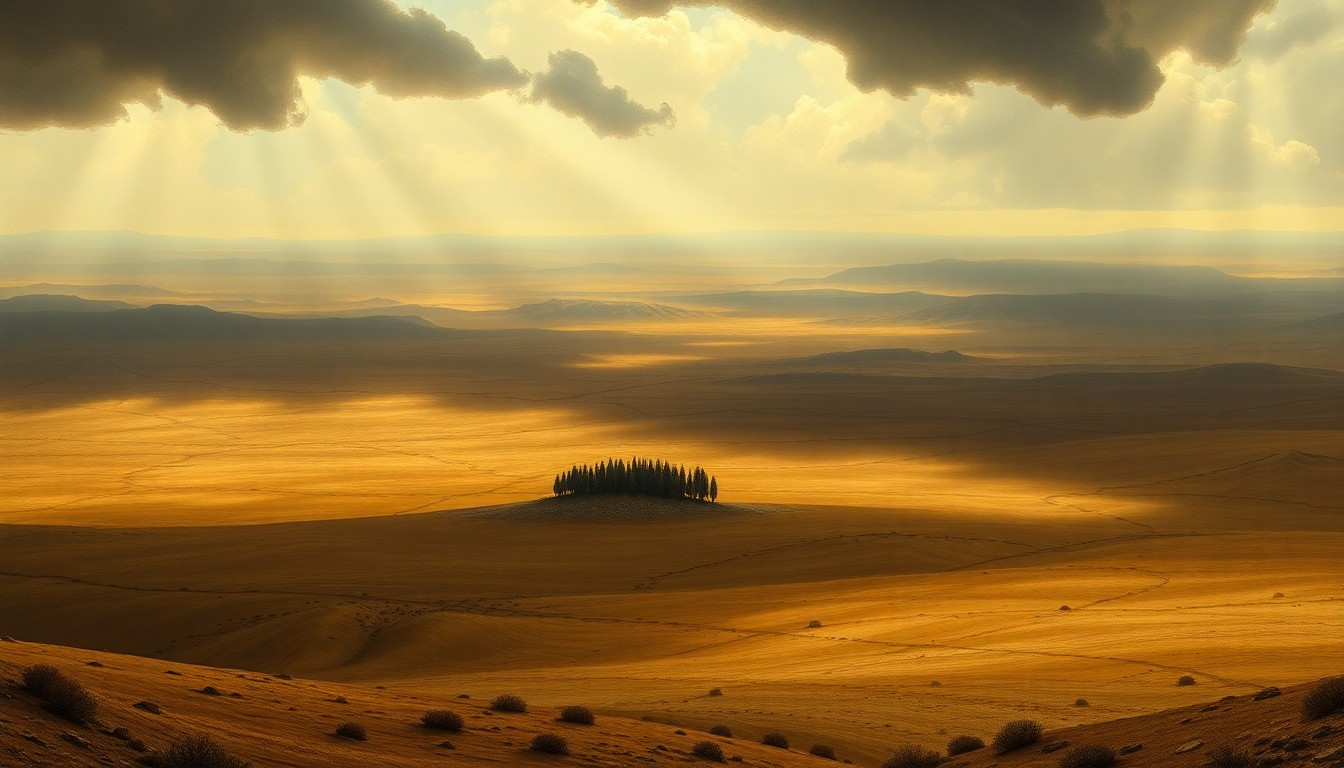 As climate change intensifies, Washington confronts another year of devastating drought, testing the resilience of its natural landscapes and water resources.Tacoma Today
Washington's Department of Ecology has declared a statewide drought emergency, marking the fourth consecutive year that part or all of the state has been in a drought. Snowpack in the mountains is at about half of normal, and warmer temperatures have limited snowpack growth, turning snow into rain or causing it to melt. The multi-year drought is felt most acutely by farmers in the Yakima River Basin, and officials warn of increased wildfire risks.
Why it matters
The ongoing drought in Washington highlights the growing impact of climate change on the state's water resources and natural ecosystems. As snowpack and water supplies continue to decline, the state will need to adapt its water management strategies and prepare for more frequent and severe droughts in the future.
The details
The emergency declaration follows an above average wet winter where precipitation levels were 104% of normal. However, warmer temperatures limited snowpack growth, causing snow to turn into rain or melt. Statewide, the water year average temperature ranks as the third warmest since records began in 1895. Mountain snowpack acts as a natural reservoir for the state, and with it being low, rivers are running low, farmers are facing water shortages, and fish habitat is suffering.
- The Department of Ecology announced the statewide drought emergency on Wednesday, April 9, 2026.
- This marks the fourth consecutive year that part or all of Washington state has been in a drought.
The players
Casey Sixkiller
Director of the Washington Department of Ecology.
Karin Bumbaco
Deputy state climatologist for the Washington State Climate Office.
Dave Upthegrove
Lands commissioner and head of the Department of Natural Resources, which is the state's lead wildfire fighting agency.
What they’re saying
“'We declare drought when water supply drops below 75% of normal. This year, every watershed in our state has met that threshold.'”
— Casey Sixkiller, Director of the Washington Department of Ecology
“'Last year's drought was mostly due to low precipitation. This year's drought is exactly what we expect to see more of in the future.'”
— Karin Bumbaco, Deputy state climatologist for the Washington State Climate Office
“'Across our state, water supplies were built around snowpack. After four years, we're now seeing that this is no longer a reliable resource.'”
— Casey Sixkiller, Director of the Washington Department of Ecology
“'Over the past decade, we've declared drought seven out of ten years. Drought is becoming the pattern, our new normal.'”
— Casey Sixkiller, Director of the Washington Department of Ecology
“'Fires will be more prone to start and will spread more quickly.'”
— Dave Upthegrove, Lands commissioner and head of the Department of Natural Resources
What’s next
Officials said it's too soon to tell if similar water usage restrictions will happen later this year in the Yakima Basin, but the forecast through early summer calls for warmer and drier conditions.
The takeaway
The ongoing drought in Washington highlights the growing impact of climate change on the state's water resources and natural ecosystems. As snowpack and water supplies continue to decline, the state will need to adapt its water management strategies and prepare for more frequent and severe droughts in the future.
Tacoma top stories



Tacoma events

Apr. 14, 2026
Tacoma Rainiers vs. Sacramento River Cats
Apr. 15, 2026
Tacoma Rainiers vs. Sacramento River Cats
Apr. 16, 2026
Tacoma Rainiers vs. Sacramento River Cats