- Today
- Holidays
- Birthdays
- Reminders
- Cities
- Atlanta
- Austin
- Baltimore
- Berwyn
- Beverly Hills
- Birmingham
- Boston
- Brooklyn
- Buffalo
- Charlotte
- Chicago
- Cincinnati
- Cleveland
- Columbus
- Dallas
- Denver
- Detroit
- Fort Worth
- Houston
- Indianapolis
- Knoxville
- Las Vegas
- Los Angeles
- Louisville
- Madison
- Memphis
- Miami
- Milwaukee
- Minneapolis
- Nashville
- New Orleans
- New York
- Omaha
- Orlando
- Philadelphia
- Phoenix
- Pittsburgh
- Portland
- Raleigh
- Richmond
- Rutherford
- Sacramento
- Salt Lake City
- San Antonio
- San Diego
- San Francisco
- San Jose
- Seattle
- Tampa
- Tucson
- Washington
Trump's NATO Criticism Sparks Debate on Transatlantic Ties
The US-NATO relationship faces a critical juncture as Trump's grievances test the alliance's unity and relevance.
Apr. 11, 2026 at 10:42am
Got story updates? Submit your updates here. ›
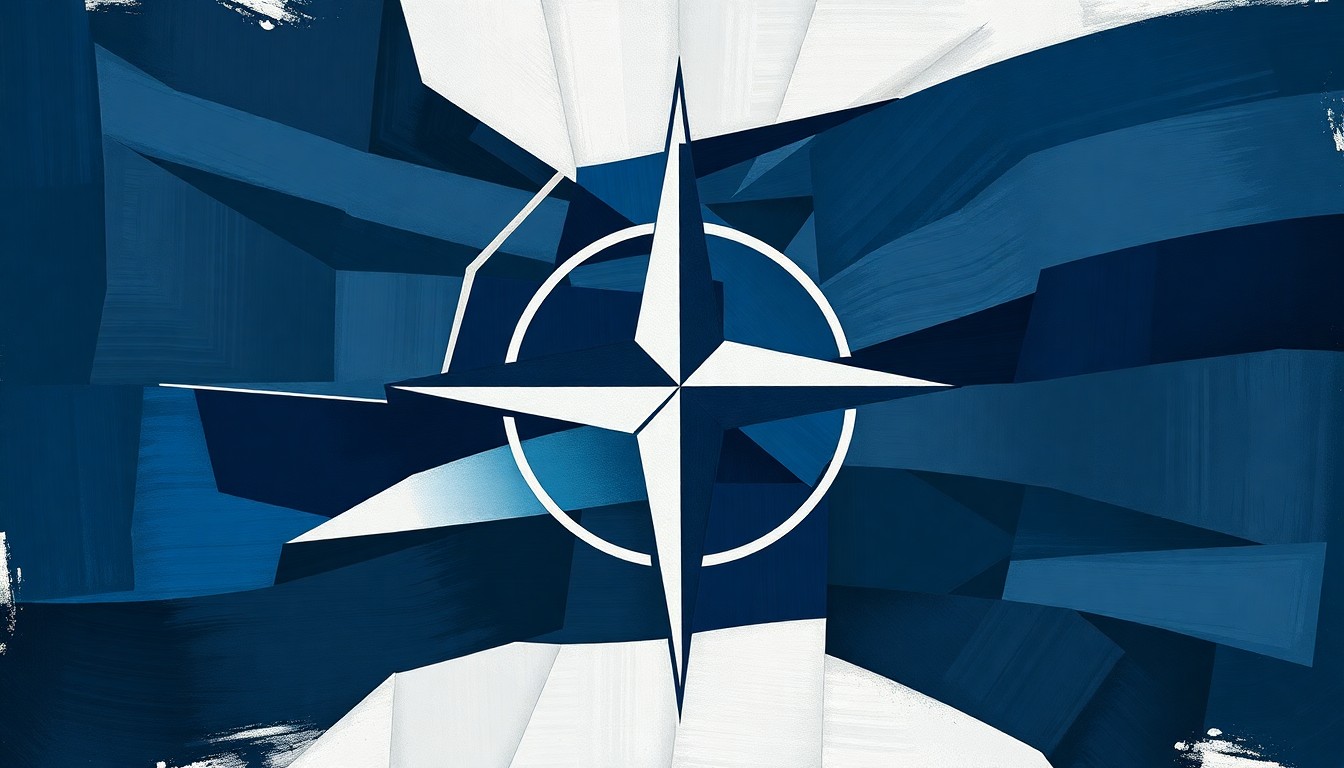 The fragile state of the US-NATO relationship is reflected in this abstract, fractured depiction of the alliance's emblem, hinting at the deep divisions and challenges facing the transatlantic partnership.Seattle Today
The recent meeting between US President Donald Trump and NATO Secretary General Mark Rutte has ignited intense debate over the future of the transatlantic alliance. Trump's criticism of NATO's role during the Iran conflict has raised questions about the value of the alliance to American interests, while Rutte presents a more nuanced perspective, highlighting NATO's support. This clash of views underscores the complex and evolving nature of the US-NATO relationship, which is being tested by global challenges and shifting geopolitical dynamics.
Why it matters
The US-NATO relationship is a cornerstone of global security, and the outcome of this tension-filled period will define the nature of transatlantic relations for years to come. The conflict in Iran has created an unprecedented challenge for NATO, and Trump's grievances, fueled by past disagreements, have pushed the alliance to its limits, raising concerns about its future relevance and legitimacy.
The details
Trump's recent comments on Truth Social, where he stated that "NATO WASN'T THERE WHEN WE NEEDED THEM," reflect a deep-rooted frustration with the alliance. The ongoing conflict with Iran has further exacerbated tensions, with Trump believing that NATO countries did not provide sufficient support during Operation Epic Fury. This sentiment is echoed by White House Press Secretary Karoline Leavitt, who stated that NATO "failed" the American people. However, Rutte presents a different narrative, emphasizing that many European nations have been supportive, offering assistance with logistics and overflights. Rutte's praise for Trump's "leadership" in dealing with Iran's nuclear threats also suggests a certain level of approval for the president's actions, despite the disagreements within the alliance.
- The recent meeting between US President Donald Trump and NATO Secretary General Mark Rutte took place in April 2026.
- Trump's critical comments about NATO's role during the Iran conflict were shared on Truth Social in the weeks leading up to the meeting.
The players
Donald Trump
The 45th President of the United States, who has been a vocal critic of NATO and its perceived lack of support during the Iran conflict.
Mark Rutte
The Secretary General of NATO, who has presented a more nuanced perspective on the alliance's role and support during the Iran conflict.
Karoline Leavitt
The White House Press Secretary, who echoed Trump's sentiment that NATO "failed" the American people during the Iran conflict.
What they’re saying
“NATO WASN'T THERE WHEN WE NEEDED THEM.”
— Donald Trump, President of the United States
“Many European nations have been supportive, offering assistance with logistics and overflights.”
— Mark Rutte, NATO Secretary General
“NATO failed the American people.”
— Karoline Leavitt, White House Press Secretary
What’s next
The judge in the case will decide on Tuesday whether or not to allow Walker Reed Quinn out on bail.
The takeaway
This case highlights growing concerns in the community about repeat offenders released on bail, raising questions about bail reform, public safety on SF streets, and if any special laws to govern autonomous vehicles in residential and commercial areas.
Seattle top stories



Seattle events

Apr. 11, 2026
Seattle Kraken Suites
Apr. 11, 2026
Seattle Kraken vs. Calgary Flames